Films
6 films
About Lidiya Tridenskaya
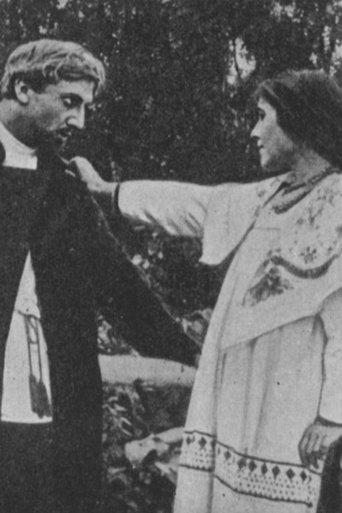
Actress in the nascent Russian film industry during the early 20th century. She emerged as one of the first notable screen performers during the transitional period when Russian cinema was establishing its artistic identity. Tridenskaya worked primarily with the leading Russian film studios of the era, including the influential Khanzhonkov Company, which was instrumental in developing early Russian cinematic art. Her performances spanned various genres, from historical dramas to adaptations of classic Russian literature, showcasing her versatility as an actress during the silent era. She was particularly known for her ability to convey complex emotions through the physical acting techniques required in silent films. Tridenskaya's career, though brief, coincided with what many consider the golden age of pre-revolutionary Russian cinema. Her work helped establish the foundation for Russian screen acting that would influence subsequent generations of performers. Unfortunately, her career appears to have ended around 1914, possibly due to the political upheavals that would soon transform Russian society and its film industry.
The Craft
On Screen
Tridenskaya embodied the theatrical acting style typical of early silent cinema, characterized by exaggerated gestures and facial expressions to convey emotion without dialogue. Her performances reflected the influence of Russian theatrical traditions, particularly the realistic approach of the Moscow Art Theatre. She demonstrated remarkable skill in using body language and眼神 to communicate complex character motivations, a crucial skill in the silent medium. Her acting style evolved from the more theatrical presentations of the 1900s to a more naturalistic approach by 1914, reflecting the broader evolution of cinematic acting techniques during this period.
Milestones
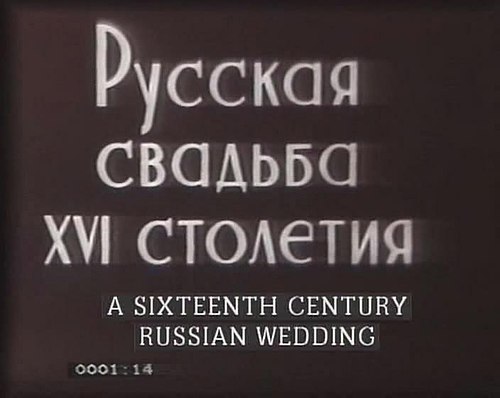
- Starred in 'A Sixteenth Century Russian Wedding' (1909), one of the earliest Russian historical films
- Featured in 'The Peasants' Lot' (1912), a significant social drama of the era
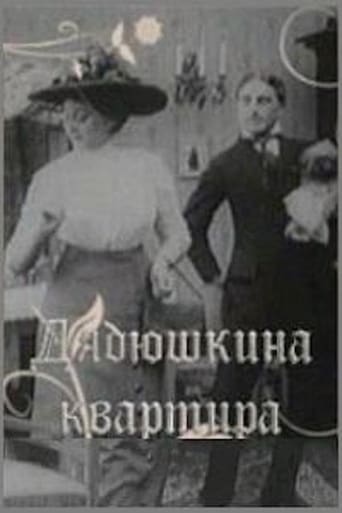
- Appeared in 'Uncle's Apartment' (1913), an adaptation of Gogol's work
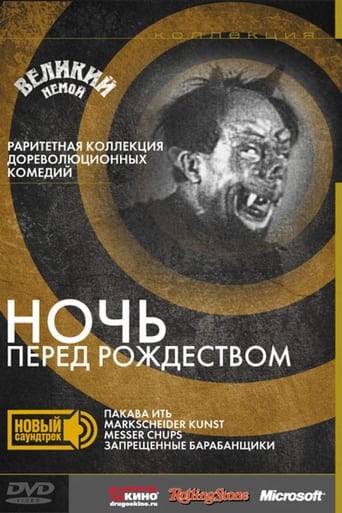
- Played a role in 'The Night Before Christmas' (1913), based on Gogol's classic tale
- Starred in 'Chrysanthemums' (1914), among her final known film appearances
Best Known For
Iconic Roles
Must-See Films
Accolades
Special Recognition
- Recognized as a pioneer of Russian cinema in historical film studies
- Mentioned in Russian film history archives as an important early screen performer
Working Relationships
Worked Often With
Studios
Why They Matter
Impact on Culture
Lidiya Tridenskaya contributed to the establishment of Russian cinema as an art form during its crucial developmental years. Her work in adapting Russian literary classics to the screen helped bridge the gap between Russia's rich literary tradition and the emerging medium of film. As one of the first generation of Russian film actors, she helped establish acting techniques specifically suited to cinema, moving away from pure theatricality toward more screen-appropriate performances. Her films, particularly those based on works by Gogol and other Russian authors, demonstrated how cinema could serve as a vehicle for Russian cultural expression. Though her career was brief, it occurred during a period when Russian cinema was achieving international recognition for its artistic achievements.
Lasting Legacy
Tridenskaya's legacy lies primarily in her role as a pioneer of Russian silent cinema, representing the first generation of actors who helped establish the Russian film industry. Her surviving films serve as important historical documents of early Russian cinematic art and the acting techniques of the era. While she may not be widely known today, film historians and scholars of early cinema recognize her contributions to the development of Russian screen acting. Her work in literary adaptations helped establish a tradition of bringing Russian literature to the screen that would continue throughout Soviet and post-Soviet cinema. The films she appeared in are studied today as examples of early Russian cinematic achievement and the cultural values of pre-revolutionary Russia.
Who They Inspired
As an early pioneer, Tridenskaya's acting style and techniques would have influenced subsequent generations of Russian actors, particularly in the area of silent film performance. Her work in literary adaptations helped establish patterns for how Russian literature could be effectively translated to the screen. The emotional depth and physical expressiveness she brought to her roles set standards for dramatic acting in Russian cinema during its formative years. Her collaborations with early Russian directors contributed to the development of a distinctly Russian approach to cinematic storytelling that would influence the work of later filmmakers such as Eisenstein and Pudovkin.
Off Screen
Very little documented information survives about Lidiya Tridenskaya's personal life, which was common for many early film actors whose lives were not extensively recorded. Like many performers of her era, she likely came from a theatrical background before transitioning to the new medium of cinema. Her career coincided with a period of tremendous cultural flowering in Russia, followed by the upheaval of World War I and the Russian Revolution, which dramatically transformed the country's film industry and may have affected her personal circumstances.
Did You Know?
- One of the first professional film actresses in the Russian Empire
- Her active years covered what many consider the golden age of pre-revolutionary Russian cinema
- Worked during the same period as other Russian film pioneers like Vera Kholodnaya
- Appeared in multiple adaptations of Nikolai Gogol's works
- Her films were produced before the Bolshevik Revolution, which dramatically changed Russian cinema
- The Khanzhonkov Company, where she likely worked, was Russia's first major film studio
- Early Russian cinema where she worked was known for its artistic quality and literary adaptations
- Many early Russian films, including some of hers, have been lost to time
- Her acting style reflected the transition from theatrical to cinematic performance techniques
- The period she worked in saw Russian cinema compete internationally with French and American films
Frequently Asked Questions
Who was Lidiya Tridenskaya?
Russian actress who worked in the silent film era from 1909 to 1914. She was one of the first generation of professional film actors in the Russian Empire and appeared in several significant early Russian films, including adaptations of classic Russian literature.
What films is Lidiya Tridenskaya best known for?
Titles linked here include A Sixteenth Century Russian Wedding (1909), The Peasants' Lot (1912).
When was Lidiya Tridenskaya born and when did she die?
Unfortunately, specific birth and death dates for Lidiya Tridenskaya are not well-documented in historical records, which is common for many early film actors. She was active during the period 1909-1914 in the Russian Empire.
What awards did Lidiya Tridenskaya win?
No formal awards or nominations have been documented for Lidiya Tridenskaya, which was typical for actors during the very early years of cinema when formal award systems had not yet been established. Her recognition comes primarily from her historical importance as a pioneer of Russian film.
What was Lidiya Tridenskaya's acting style?
Tridenskaya employed the theatrical acting style characteristic of early silent cinema, using exaggerated gestures and facial expressions to convey emotion. Her style evolved from more theatrical presentations to a more naturalistic approach by 1914, reflecting the broader development of cinematic acting techniques during this period.