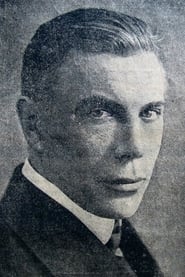
Pyotr Chardynin
Actor & Director
Born: February 8, 1873 in Simbirsk, Russian Empire (now Ulyanovsk, Russia) Died: August 14, 1934 Active: 1909-1918 Birth Name: Pyotr Ivanovich Krasavtsev
Films
11 films
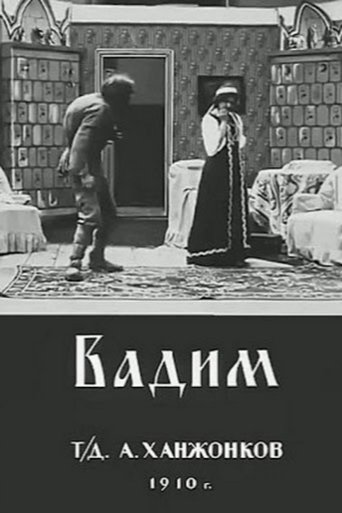

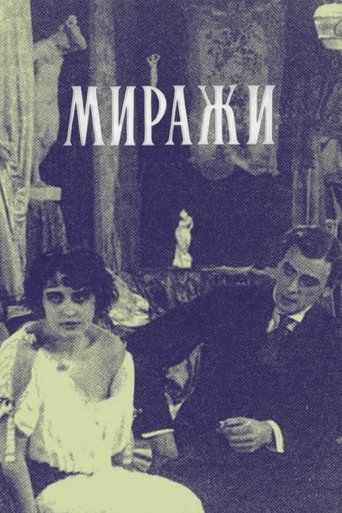
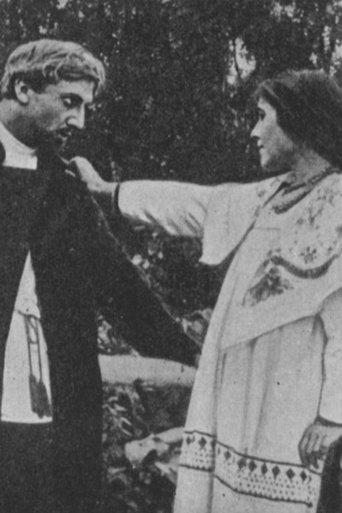
About Pyotr Chardynin
Figure in early Russian cinema, serving as both a prominent actor and directors of the silent era. Born Pyotr Ivanovich Krasavtsev, he began his career in theater before transitioning to film in 1909, quickly establishing himself as a versatile performer. His directorial debut came the same year, and he soon became renowned for his literary adaptations, particularly of works by Pushkin and Lermontov. Working primarily with the Khanzhonkov film company, Chardynin directed over 100 films between 1909 and 1918, becoming one of Russia's most prolific filmmakers of the era. His films were characterized by their sophisticated visual style, psychological depth, and faithful adherence to Russian literary traditions. After the 1917 revolution, he continued working briefly in Soviet cinema before emigrating, though he eventually returned to work in the Soviet film industry. Chardynin's the most formative decade of Russian cinema, making him instrumental in establishing the artistic foundations of Russian filmmaking.
The Craft
On Screen
Theatrical and expressive, typical of early silent era acting with exaggerated gestures and facial expressions to convey emotion without dialogue. His stage background influenced his screen presence, bringing dramatic intensity to his roles.
Behind the Camera
Literary and sophisticated, with emphasis on faithful adaptations of Russian classics. Known for elaborate set designs, careful composition, and psychological depth in character development. His style blended theatrical traditions with emerging cinematic techniques.
Milestones
- Directed over 100 films in less than a decade
- Pioneered literary adaptations in Russian cinema
- Key figure at Khanzhonkov film company
- Successfully transitioned from actor to director
- Created some of the earliest Russian feature films
- Mentored early Russian film talent including Ivan Mozzhukhin
Best Known For
Iconic Roles
Must-See Films
Accolades
Special Recognition
- Recognized as a pioneer of Russian cinema
- Honored in Russian film history archives
Working Relationships
Worked Often With
Studios
Why They Matter
Impact on Culture
Chardynin played a crucial role in establishing Russian cinema as an art form capable of adapting the nation's rich literary heritage. His films helped create a distinctly Russian cinematic language that drew upon the country's theatrical and literary traditions. By bringing works of Pushkin, Lermontov, and other classic authors to the screen, he helped legitimize cinema as a serious artistic medium in Russian culture. His work during the pre-revolutionary period laid important groundwork for the later achievements of Soviet cinema.
Lasting Legacy
Pyotr Chardynin is remembered as one of the founding fathers of Russian cinema, particularly for his contributions to the adaptation of literature for film. His extensive filmography represents. Film historians recognize him as instrumental in developing the narrative and visual techniques that would influence subsequent generations of Russian filmmakers. His work exemplifies the sophisticated artistic ambitions of pre-revolutionary Russian cinema.
Who They Inspired
Chardynin influenced the development of Russian film language through his literary adaptations and sophisticated visual style. His work demonstrated how cinema could serve as a vehicle for high art, paving the way for later Russian masters like Eisenstein and Vertov to explore cinema's artistic potential. His emphasis on psychological depth and literary fidelity influenced how Russian filmmakers approached adaptations for decades to come.
Off Screen
Limited information is available about Chardynin's personal life, as was common for figures of this era. He came from a theatrical background and maintained connections throughout his career. His life spanned the dramatic transition from Imperial Russia through the Revolution to the early Soviet period.
Education
Theatrical training and stage experience prior to entering film industry
Family
- Information not readily available
Did You Know?
- Directed over 100 films in less than a decade of activity
- Began his film career as an actor before transitioning to directing
- Many of his films were adaptations of Russian literary classics
- Worked during the golden age of pre-revolutionary Russian cinema
- His real name was Pyotr Ivanovich Krasavtsev
- Collaborated frequently with the legendary actress Vera Kholodnaya
- Survived the transition from Imperial to Soviet cinema
- His films were among the first to demonstrate cinema's artistic potential in Russia
- Many of his films have been lost, making surviving works particularly valuable
- Helped establish the Khanzhonkov studio as Russia's leading film company
In Their Own Words
No documented quotes are readily available from this early cinema pioneer
Frequently Asked Questions
Who was Pyotr Chardynin?
Russian actor and on YTB.my. He directed over 100 films and was instrumental in adapting Russian literary classics to the screen, helping establish cinema as a serious art form in Russia.
What films is Pyotr Chardynin best known for?
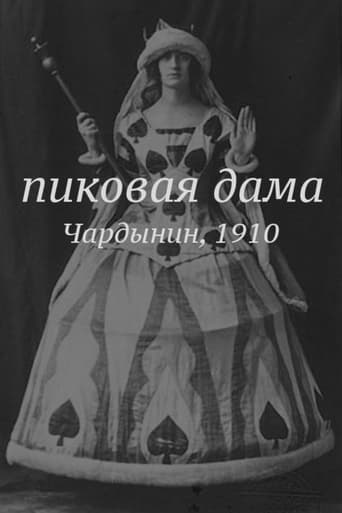
Titles linked here include The Queen of Spades (1910), Boyar Orsha (1909).
When was Pyotr Chardynin born and when did he die?
Born February 8, 1873; died August 14, 1934.
What awards did Pyotr Chardynin win?
Formal awards were not common during the early silent era when Chardynin was active. However, he is recognized in film history as a pioneer of Russian cinema and his contributions are honored in Russian film archives and historical studies.
What was Pyotr Chardynin's directing style?
Chardynin's directing style was literary and sophisticated, characterized by faithful adaptations of Russian classics, elaborate set designs, and psychological depth. He blended theatrical traditions with emerging cinematic techniques to create a distinctly Russian film language.