
The Little House in Kolomna
"Pushkin’s flirtation behind a Kolomna window"
Keys: Space play/pause · ←/→ 10s · F fullscreen · M mute · </> speed
About this film
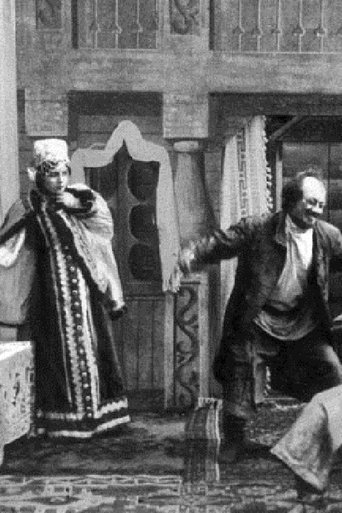
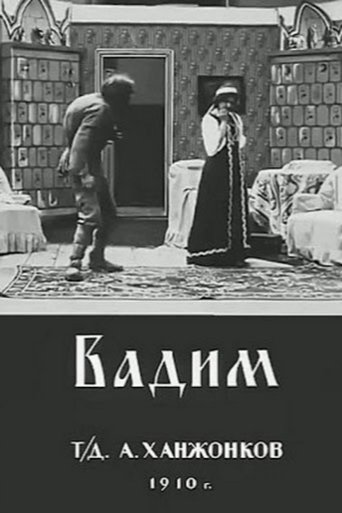
Based on the story by Pushkin. Pretty young Parasha is living with her widowed mother. Parasha diligently takes care of many household tasks, but she also enjoys flirting with the guards's officers who pass by her window, and she has one particular favourite. One day, Parasha's m
Cast & crew
More films like this
More Comedy films
View all →







More from Pyotr Chardynin
View all →
More about this film
About the production
Release date1913
Box officeUnknown - box office tracking was not systematically recorded for Russian films of this era
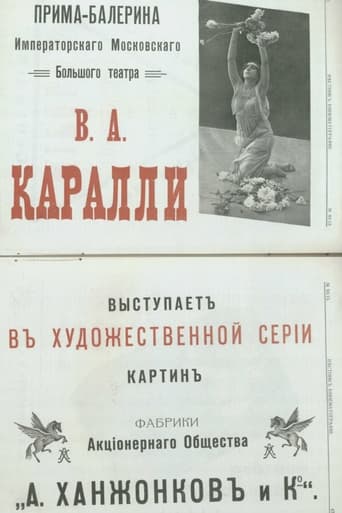
ProductionKhanzhonkov Company
Filmed inMoscow, Russia
The film was produced by Alexander Khanzhonkov's company, one of Russia's first major film studios. As an early Russian production, it was made during the peak of pre-revolutionary Russian cinema when the country was producing some of the most sophisticated films in the world. The production utilized the relatively new technology of cinema while adapting classic Russian literature, a common practice that helped legitimize film as an art form in Russian society.
Themes
Social class and mobilityRomantic deception and clevernessGender roles and expectationsDomestic life and family dynamicsUrban vs. traditional values
Themes & topics
adaptationcomedyromancedeceptionsocial classdomestic dramaliterary adaptation19th centuryRussian literatureyoung lovefamily relationshipssocial maneuvering
Historical background
The Little House in Kolomna appeared in 1913, when the silent era before Hollywood consolidated into a studio system shaped how movies were financed, distributed, and discussed. Audiences of the day encountered the work amid shifting tastes in acting, pacing, and spectacle. Its focus on based on the story by pushkin mirrors themes circulating in popular culture of that moment.
Why this film matters
The Little House in Kolomna (1913) belongs to the wider archive of world cinema, documenting based on the story by pushkin. pretty young. Archivists and historians value such titles for what they reveal about craft, genre, and audience expectations. Restorations and festival screenings keep the work visible to viewers far beyond its first run.
Making of
The production of 'The Little House in Kolomna' took place during the golden age of pre-revolutionary Russian cinema, when the Khanzhonkov Company was at its peak. Director Pyotr Chardynin, who had a background in theater, brought theatrical techniques to his film work, emphasizing character development and emotional expression despite the limitations of silent cinema. Ivan Mosjoukine, already becoming a major star, was known for his intense acting style that could convey complex emotions through facial expressions and body language alone. The film's production would have used natural lighting and relatively simple sets, typical of the era, but with growing attention to visual composition and atmosphere. The adaptation process from Pushkin's satirical poem to a visual medium required significant creative decisions about how to translate the literary irony and social commentary into cinematic form.
What critics said
Press coverage from 1913 is fragmentary for many titles of this vintage; surviving notices for The Little House in Kolomna tend to stress novelty, star power, or topical appeal. Later writing places the picture within its national and generic context, weighing both period conventions and moments that still land for modern viewers. Streaming and disc releases have revived discussion among classic-film audiences.
Did you know?
- This film is one of the earliest screen adaptations of Alexander Pushkin's 1830 novella 'The Little House in Kolomna,' demonstrating the early Russian film industry's reliance on classic literature for source material
- Director Pyotr Chardynin was especially prolific directors in pre-revolutionary Russian cinema, directing over 100 films between 1908 and 1917
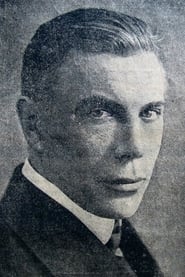
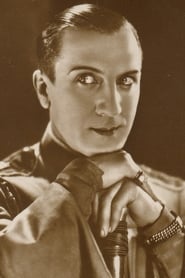
- Ivan Mosjoukine, who starred in this film, would later become one of the biggest stars of European cinema in the 1920s after emigrating following the Russian Revolution
- The film was produced by the Khanzhonkov Company, founded by Alexander Khanzhonkov, who is considered the father of Russian cinema
- 1913 was a peak year for Russian film production, with over 100 feature films produced in the Russian Empire
- The original Pushkin story is written in the form of a parody of epic poetry, which presented unique challenges for cinematic adaptation
- Early Russian films like this one were known for their sophisticated visual style and psychological depth, often rivaling contemporary European productions
- The film's themes of social class and romantic deception were common in Russian literature and reflected the social tensions that would later contribute to the 1917 Revolution
- Silent films of this era in Russia often featured live musical accompaniment, typically performed on piano or small orchestra in theaters
- The preservation status of early Russian films is precarious, with many lost forever due to the political upheavals of the 20th century
Visual style
The cinematography of this 1913 production would have utilized the techniques common to early Russian cinema, which were becoming increasingly sophisticated. The film likely employed static camera positions typical of the era, but with careful attention to composition and lighting to create atmosphere and highlight the actors' performances. Early Russian cinematographers were known for their artistic sensibility, often creating visually striking images despite the technical limitations of the period. The use of natural lighting and carefully designed sets would have helped create the appropriate period atmosphere for the 19th-century setting. The visual style would have emphasized the actors' facial expressions and body language, crucial for conveying emotion and story in silent cinema.
Innovations
While 'The Little House in Kolomna' does not appear to have introduced major technical innovations, it represents the technical standards of early Russian cinema at its peak. The film would have been shot on 35mm film stock using hand-cranked cameras, requiring careful coordination between camera operator and actors. The production likely used artificial lighting techniques that were becoming more sophisticated in 1913, allowing for greater control over image quality and mood. The editing would have employed basic continuity cutting to advance the narrative, a technique that was still being refined during this period. The film's preservation of Pushkin's satirical tone in visual form demonstrates an early mastery of cinematic storytelling techniques that could convey literary irony without dialogue.
Music
As a silent film, 'The Little House in Kolomna' would have been accompanied by live music during theatrical screenings. The specific musical score is not documented, but typical accompaniment for Russian films of this era would have included popular classical pieces, folk melodies, and improvised music performed on piano or small theater orchestra. The music would have been synchronized to enhance the emotional impact of scenes, with faster tempos for comedic moments and romantic themes for love scenes. The choice of music would likely have reflected the film's literary origins, possibly incorporating works by Russian composers to maintain cultural authenticity. The live musical performance was an integral part of the cinematic experience in this era, with skilled musicians often improvising based on the action on screen.
Famous quotes
In the little house in Kolomna, lived a widow with her daughter Parasha
Parasha was not lazy by nature, but young and flirtatious
The officers passing by the window would often stop to exchange glances
Hire a cook, but as cheaply as possible - the mother's practical instruction
Love finds a way, even through the mundane tasks of daily life
Memorable scenes
- Parasha flirting with the guards officers from her window, establishing her character as both dutiful and romantic
- The mother's instruction to hire a cook cheaply, setting the plot in motion
- Parasha and her beloved conspiring to use the cook-hiring situation to their advantage
- The comedic scenes involving the disguise and deception that enable the lovers' meetings
- The resolution where the scheme succeeds and the young couple achieves their romantic goals
What audiences thought
Contemporary audience reception is not well documented, but films featuring Ivan Mosjoukine were popular with Russian cinema-goers of the period. The adaptation of a familiar Pushkin story would have made the film accessible and appealing to educated Russian audiences. The comedy elements and romantic storyline would have provided entertainment value while the literary source material gave it cultural legitimacy. Early Russian cinema audiences were largely urban and middle to upper class, and films like this one catered to their tastes for sophisticated entertainment that reflected their cultural values. The film's themes of social maneuvering and romantic deception would have resonated with audiences navigating the rapidly changing social landscape of pre-revolutionary Russia.
Film connections
Influenced by
- Pushkin's original 1830 novella 'The Little House in Kolomna'
- Theatrical traditions of Russian comedy
- European film comedy styles of the early 1910s
- Russian literary satire tradition
- 19th century Russian social novels
This film influenced
- Later Russian adaptations of Pushkin works
- Soviet comedies dealing with social themes
- Russian films exploring class dynamics
- Literary adaptations in Russian cinema
Film restoration
The preservation status of 'The Little House in Kolomna' (1913) is uncertain, which is unfortunately common for films from this era of Russian cinema. Many pre-revolutionary Russian films were lost due to the political upheavals following 1917, neglect during the Soviet era, or the deterioration of nitrate film stock. Some fragments or copies may exist in Russian film archives such as Gosfilmofond, but complete versions of many films from this period are rare. The film's survival would depend on whether copies were exported internationally or preserved in private collections. Film historians continue to search for lost Russian films in archives worldwide, and discoveries are occasionally made, so there remains hope that this film or portions of it may yet be found.
Where to watch
- Due to the age and uncertain preservation status of this 1913 film, it is not currently available on mainstream streaming platforms or home video. Potential viewing opportunities might include: Special screenings at film archives or museums specializing in early cinema, particularly institutions like Gosfilmofond in Russia or other international film archives that may hold copies. Academic film studies programs sometimes have access to rare films for research purposes. Film festivals focusing on silent or classic cinema occasionally screen rare Russian films from this era. Online archives specializing in public domain or orphan films may eventually make it available if a preserved copy is located and digitized.