
Andrey Gromov
Actor
Born: 1883 in Moscow, Russian Empire Died: 1922 Active: 1909-1917
Films
13 films

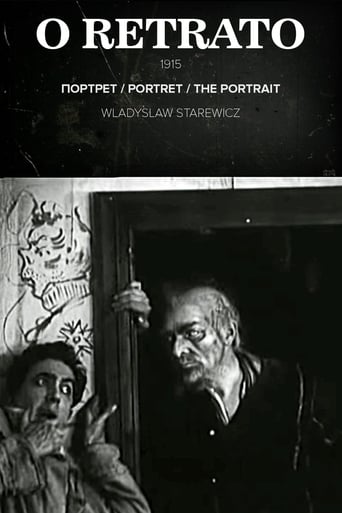
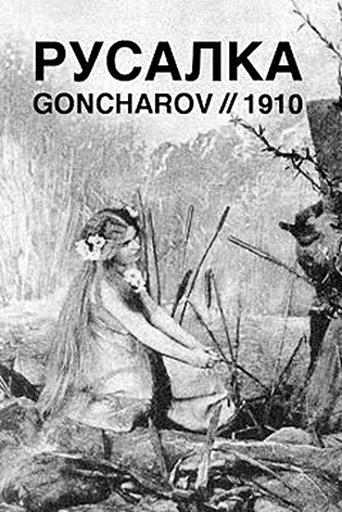
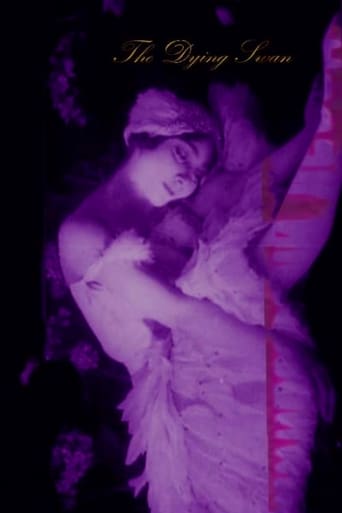
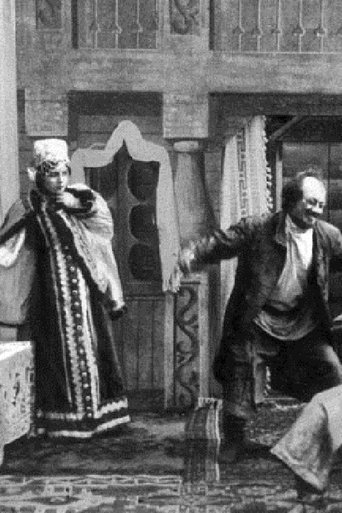
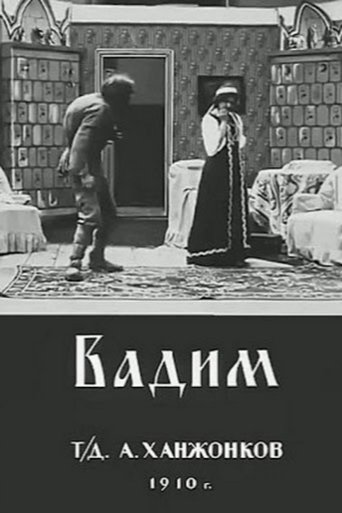
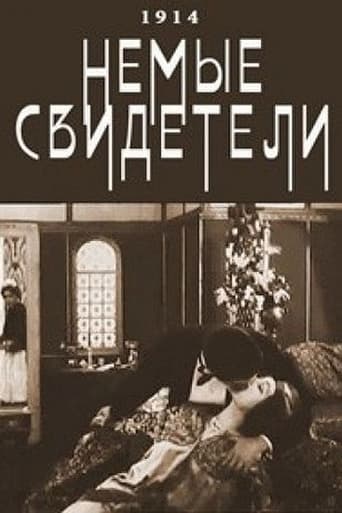
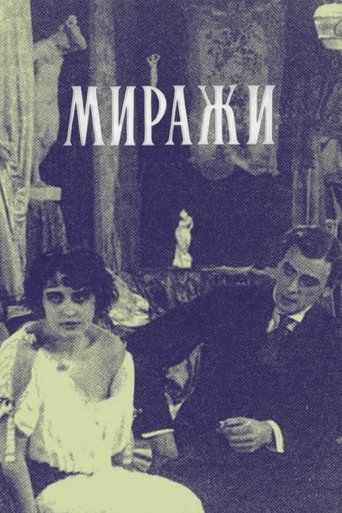
About Andrey Gromov
Russian film actor who emerged as one of the first professional performers in Russian cinema during the silent era. He began his film career in 1909 with the Khanzhonkov film company, one of Russia's earliest and most influential film studios. Gromov quickly became a leading actor in director Vasily Goncharov's productions, establishing himself as a versatile performer capable of handling both dramatic and romantic roles. His most significant work came in adaptations of classic Russian literature, bringing to life characters from the works of Pushkin, Gogol, and other celebrated authors on the silent screen. Gromov's career coincided with the golden age of pre-revolutionary Russian cinema, where he helped establish the conventions of film acting in Russia. His performances were characterized by their theatrical intensity and emotional expressiveness, typical of early silent film acting but with a distinctly Russian dramatic sensibility. After the 1917 revolution, like many artists of his generation, his career trajectory was significantly altered, though the exact details of his later life remain somewhat obscure in historical records.
The Craft
On Screen
Gromov's acting style was characteristic of the early silent era, featuring broad, theatrical gestures and intense facial expressions to convey emotion without dialogue. His performances drew heavily from the Russian theatrical tradition, incorporating elements of melodrama and classical Russian dramatic techniques. He was particularly effective in conveying complex psychological states through subtle changes in expression and body language, adapting stage techniques for the intimate medium of film.
Milestones
- First leading roles in Russian cinema (1909)
- Collaboration with director Vasily Goncharov
- Starred in early Russian literary adaptations
- Leading actor for Khanzhonkov film company
- Pioneered professional film acting in Russia
Best Known For
Iconic Roles
Must-See Films
Working Relationships
Worked Often With
Studios
Why They Matter
Impact on Culture
Andrey Gromov played a crucial role in establishing the foundation of Russian cinema during its formative years. As one of the first professional film actors in Russia, he helped bridge the gap between theatrical performance and the new medium of cinema, adapting classical Russian acting techniques for the screen. His work in literary adaptations was particularly significant, as it helped establish Russian cinema's reputation for adapting the nation's rich literary heritage. Gromov's performances contributed to the development of a distinctly Russian film acting style that would influence subsequent generations of Russian actors. His collaborations with early Russian directors helped establish narrative techniques and performance conventions that would become standard in Russian cinema.
Lasting Legacy
Andrey Gromov's legacy lies primarily in his role as one of Russia's first professional film actors. Though his name is not widely known outside of film scholarship circles, his contributions to early Russian cinema were significant. The films he appeared in represent some of the earliest examples of Russian narrative cinema and remain important historical artifacts for understanding the development of film as an art form in Russia. His work helped establish the precedent for adapting Russian literature to the screen, a tradition that would continue throughout Soviet and post-Soviet cinema. Gromov represents the transition from theatrical to cinematic performance in Russian culture, embodying the challenges and innovations of early film acting.
Who They Inspired
Gromov influenced subsequent generations of Russian actors by demonstrating how classical theatrical techniques could be adapted for the camera. His work in literary adaptations set a precedent for how Russian literature could be effectively translated to film, influencing countless later adaptations. His collaboration with early Russian directors helped establish working relationships between actors and filmmakers that would become standard in the Russian film industry. While specific actors who cite him as influence are difficult to trace due to the era's obscurity, his work undoubtedly contributed to the development of Russian film acting as a distinct discipline.
Off Screen
Very little detailed information is available about Andrey Gromov's personal life, as was common for many early film actors whose private lives were not extensively documented. What is known suggests he was dedicated entirely to his craft during the brief but intense period of his film career. The turmoil of the Russian Revolution and subsequent changes in the film industry likely affected his personal circumstances, though specific details remain scarce in historical records.
Education
Theatrical training in Moscow prior to film career
Did You Know?
- One of the first professional actors in Russian cinema history
- Worked exclusively during the pre-revolutionary period of Russian film
- Many of his films were adaptations of classic Russian literature
- Collaborated primarily with director Vasily Goncharov
- Part of the Khanzhonkov film company, Russia's first major film studio
- His career ended around the time of the Russian Revolution
- Few of his films survive today, making him a somewhat obscure figure
- Represented the transition from stage acting to film acting in Russia
- His films were among the first Russian films to be shown internationally
Frequently Asked Questions
Who was Andrey Gromov?
Russian silent film with credits in this catalog. He was one of the first professional actors in Russian cinema, working primarily with the Khanzhonkov film company and director Vasily Goncharov on adaptations of classic Russian literature.
What films is Andrey Gromov best known for?
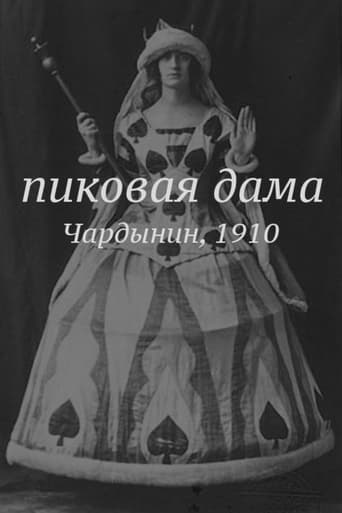
Titles linked here include Mazeppa (1909), The Queen of Spades (1910).
When was Andrey Gromov born and when did he die?
Born 1883; died 1922.
What awards did Andrey Gromov win?
Andrey Gromov did not receive formal awards during his career, as the award systems for cinema were not yet established during the early silent film era in Russia. His recognition comes primarily from his historical significance as an actor in Russian cinema.
What was Andrey Gromov's acting style?
Gromov's acting style was characteristic of early silent cinema, featuring theatrical gestures and intense facial expressions. He drew from Russian theatrical traditions while adapting these techniques for the intimate medium of film, particularly excelling in dramatic and romantic roles in literary adaptations.