

Defence of Sevastopol
"Sevastopol under siege in 1855"
Keys: Space play/pause · ←/→ 10s · F fullscreen · M mute · </> speed
About this film
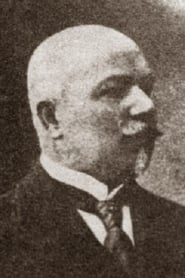
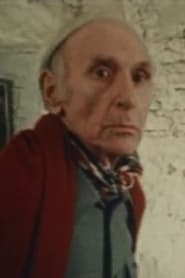
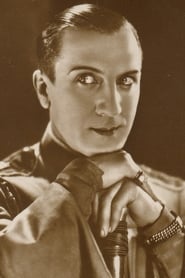
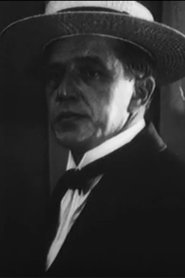
First film ever that was shot by two cameras. Set in 1854-1855, in Sevastopol and Yalta during the Crimean War. Admirals Kornilov (Mozzhukhin) and Nakhimov (Gromov) organize the defense during the siege of Sevastopol. Both admirals are killed during the battle, and the city of Se.
Cast & crew
More films like this

More War films
View all →

More from Vasiliy Goncharov
View all →

More about this film
About the production
Release date1911
Box officeUnknown (but reported to have been successful, especially among Russian audiences)
ProductionKhanzhonkov Film Company
Filmed inSevastopol, Crimea, Yalta, Crimea, Livadia Palace grounds, Original Crimean War battlefields
This was a groundbreaking production that utilized two cameras simultaneously for the first time in cinema history, allowing for more dynamic coverage of the massive battle sequences. The film employed thousands of extras, including actual military personnel, and used authentic military equipment and uniforms. The production was granted special permission to film at the actual historical sites where the Siege of Sevastopol took place. The battle scenes were particularly ambitious for their time, featuring real explosions, naval sequences, and coordinated troop movements that required extensive planning and military cooperation.
Themes
Themes & topics
Crimean WarSiegeMilitary strategyHistorical battleNaval warfareHeroismSacrificePatriotism19th centuryRussian history
Historical background
Exhibitors in 1911 booked Defence of Sevastopol through Khanzhonkov Film Company as part of the era's steady flow of new releases.
Why this film matters
Archivists note that Defence of Sevastopol preserves period framing of first film ever that was shot by two cameras for modern comparison.
Making of
The production of 'Defence of Sevastopol' was an enormous undertaking for its time, requiring unprecedented resources and planning. Director Vasiliy Goncharov, drawing on his theatrical background, conceived the project as Russia's answer to the historical epics being produced in Europe. The dual-camera system was invented specifically for this film, allowing Goncharov to capture the massive battle scenes from multiple angles simultaneously. The production received full cooperation from the Russian military, who provided troops, equipment, and technical advisors to ensure historical accuracy. The filming of the battle sequences was particularly challenging, as it involved coordinating thousands of extras, managing dangerous pyrotechnics, and working in difficult weather conditions on the Crimean coast. The film's premiere at Livadia Palace was a major social event, attended by the Imperial family and high-ranking officials, who reportedly gave the film a standing ovation.
What critics said
Trade coverage around 1911 treated Defence of Sevastopol as routine program material rather than a special event.
Did you know?
- This was the first film in history to be shot using two cameras simultaneously, a revolutionary technique that allowed for more complex editing and coverage of large-scale scenes
- The film premiered at the Livadia Palace in Yalta specifically for Tsar Nicholas II and his family, making it one of the earliest known royal film screenings
- The role of Admiral Nakhimov was played by Andrey Gromov, who was also one of Russia's first film directors
- the Sailor Koshka's heroic deeds were filmed at the exact locations where the actual historical events took place
- The production used real military uniforms and equipment from the Crimean War era, some of which were preserved from the original conflict
- Thousands of actual Russian soldiers were used as extras in the battle sequences, making it one of the largest-scale productions of its time
- The film was shot on location over several months, an unusually long production period for early cinema
- Director Vasiliy Goncharov was one of the pioneers of Russian cinema and had previously worked as a theater director
- The film's success helped establish the Khanzhonkov Film Company as the leading studio in pre-revolutionary Russia
- Despite being a war film, it was praised for its patriotic themes rather than its depiction of violence, which was considered appropriate for all audiences including children
Visual style
The cinematography was revolutionary for its time, featuring the first use of dual-camera coverage in cinema history. This allowed for more complex editing and the ability to show the same action from multiple perspectives. The filmmakers used long shots to capture the scale of the battle sequences, medium shots for character interactions, and close-ups for emotional moments. The location shooting in Crimea provided authentic landscapes and architecture that added to the film's realism. The battle scenes employed dynamic camera movements and compositions that were unusual for the period, creating a sense of chaos and excitement. The use of natural light, particularly in outdoor scenes, gave the film a visual quality that surpassed many studio-bound productions of the era.
Innovations
The film's most significant technical achievement was the pioneering use of dual-camera photography, which allowed for more sophisticated editing and coverage of complex scenes. The production also featured some of the earliest examples of location shooting on such a massive scale. The battle sequences employed advanced pyrotechnic effects and coordinated action involving thousands of extras. The filmmakers developed new techniques for filming naval sequences, including the use of actual ships and equipment. The film's length of 100 minutes was unusually long for the period, requiring advances in film stock quality and projection technology. The production also pioneered methods for historical accuracy in costume and set design, setting new standards for historical films.
Music
As a silent film, 'Defence of Sevastopol' would have been accompanied by live musical performance during its original screenings. The score likely included classical Russian composers such as Tchaikovsky and Mussorgsky, whose works were commonly used to accompany dramatic films. Patriotic songs and military marches would have been featured during the battle sequences. The premiere at Livadia Palace probably featured a full orchestra conducted by a prominent musician of the time. The music would have been synchronized with the on-screen action using cue sheets provided to the theater musicians. While the original musical arrangements have not survived, contemporary accounts suggest the music greatly enhanced the film's emotional impact and patriotic themes.
Famous quotes
For Russia! For Sevastopol!
We may lose the city, but we shall not lose our honor
Every sailor is a hero today
The defense of Sevastopol will be remembered for generations
Memorable scenes
- The大规模的海战场景,展现了真实的爆炸和船只沉没
- Admiral Nakhimov's death scene, filmed at the actual location where he fell
- Sailor Koshka's heroic stand against overwhelming enemy forces
- The final surrender of Sevastopol, combining pathos with national pride
What audiences thought
The film was enormously popular with Russian audiences, who were thrilled to see such a grand production depicting a crucial moment in their national history. Audiences reportedly wept during the death scenes of the admirals and cheered during the depictions of Russian heroism. The film played to packed houses in major Russian cities for months, and its success led to increased demand for Russian-produced historical films. The patriotic themes resonated particularly strongly with military audiences and veterans. The film's popularity extended beyond Russia, with successful screenings in other European countries where it was admired for its technical achievements. Even after the Russian Revolution, the film continued to be appreciated for its artistic merits, though its imperialist themes were sometimes criticized by Soviet cultural authorities.
Film connections
Influenced by
- Earlier historical paintings of the Crimean War
- Contemporary European historical epics
- Russian literary traditions of war narratives
- Theatrical historical dramas
This film influenced
- Battleship Potemkin (1925)
- War and Peace (1966)
- Alexander Nevsky (1938)
- Later Soviet historical epics
Film restoration
The film is considered partially lost, with only fragments and selected sequences surviving in various Russian film archives. Some key scenes, including portions of the battle sequences, have been preserved through the efforts of Russian film restoration projects. The surviving footage has been digitally restored and is occasionally screened at film festivals and special retrospectives of early Russian cinema.
Where to watch
- Russian State Film Archive (Gosfilmofond)
- Museum of Cinema, Moscow
- Occasional screenings at classic film festivals
- Selected sequences available on specialized early cinema websites and academic collections