
Films
3 films

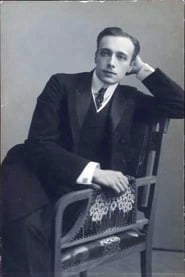
About Vladimir Maksimov
Russian actor who worked during the formative years of Russian cinema in the silent era. His screen career ran from 1911 to 1918, coinciding with both the golden age of pre-revolutionary Russian film and the tumultuous period of the Russian Revolution. Vladimir appears in some of the earliest Russian feature films, including the historically significant 'Defence of Sevastopol' (1911), which was one of Russia's first full-length narrative films. Maksimov worked during a time when Russian cinema was developing its own distinct identity, separate from the dominant European and American film industries. His filmography, though brief, includes works that represent the evolution of Russian cinematic art from its primitive beginnings to more sophisticated narrative forms. Like many actors of his generation, his career was likely disrupted or ended by the political and social upheavals that followed the 1917 revolution, which dramatically transformed the Russian film industry and led to the exodus or silencing of many pre-revolutionary artists.
The Craft
On Screen
As a silent era actor, Vladimir Maksimov would have employed the exaggerated gestures and facial expressions characteristic of early cinema, where actors needed to convey emotion and narrative without dialogue. His style would have been influenced by theatrical traditions prevalent in Russian performance art of the time.
Milestones
- Appeared in 'Defence of Sevastopol' (1911), one of Russia's earliest feature films
- Worked during the era of Russian cinema
- Participated in the final wave of pre-revolutionary Russian film production
Best Known For
Must-See Films
Working Relationships
Worked Often With
Studios
Why They Matter
Impact on Culture
Vladimir Maksimov contributed to the foundational period of Russian cinema, appearing in films that helped establish the country's film industry. His work in 'Defence of Sevastopol' placed him at the forefront of Russian cinematic history, participating in one of the nation's earliest attempts at feature-length narrative filmmaking. The film itself was significant for its patriotic themes and innovative battle sequences, representing the technical and artistic ambitions of early Russian filmmakers. Actors like Maksimov were pioneers who helped transition Russian visual storytelling from theatrical traditions to the new medium of cinema.
Lasting Legacy
Vladimir Maksimov's legacy lies in his participation in the birth of Russian cinema. Though his name may not be widely recognized today, he was part of the generation of artists who established the foundation upon which later masters like Eisenstein, Pudovkin, and Vertov would build. His work represents an important transitional period in Russian cultural history, when cinema was evolving from a novelty attraction to a legitimate art form. The preservation of his films, particularly 'Defence of Sevastopol', provides modern scholars and film enthusiasts with valuable insights into early Russian cinematic techniques and storytelling approaches.
Who They Inspired
As an early pioneer, Vladimir Maksimov's influence would have been primarily on his contemporaries and immediate successors in the Russian film industry. The acting techniques and performance styles developed during his era would influence subsequent generations of Russian film actors, even as methods evolved with the advent of sound and more sophisticated cinematic approaches.
Off Screen
Very little is documented about Vladimir Maksimov's personal life, which is typical for actors from this early period of Russian cinema. Many records from this era were lost during the revolutionary period and subsequent political upheavals.
Did You Know?
- Appeared in 'Defence of Sevastopol' (1911), which was directed by both Vasily Goncharov and Alexander Khanzhonkov
- Worked during the same period as other early Russian cinema pioneers like Ivan Mozzhukhin
- His career coincided with the rise and transformation of Russian cinema before the Soviet era
- The films he appeared in were produced during the peak of pre-revolutionary Russian film production
- Like many actors of his era, his career was likely affected by the 1917 Russian Revolution
- The exact details of his life and career remain largely undocumented due to the historical upheavals of the early 20th century
Frequently Asked Questions
Who was Vladimir Maksimov?
Russian with credits in this catalog. He appeared in some of Russia's earliest feature films, including the historically significant 'Defence of Sevastopol' (1911). His active years covered the final years of the Russian Empire and the beginning of the revolutionary period.
What films is Vladimir Maksimov best known for?
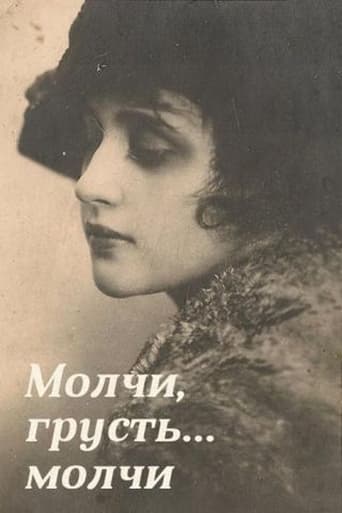
Titles linked here include Defence of Sevastopol (1911), Be Silent, My Sorrow, Be Silent (1918).
When was Vladimir Maksimov born and when did he die?
Unfortunately, specific birth and death dates for Vladimir Maksimov are not documented in available historical records. This is common for many actors from the early Russian silent film era, as many records were lost during the political upheavals of the early 20th century.
What awards did Vladimir Maksimov win?
There are no documented awards or honors for Vladimir Maksimov, which is typical for actors from this very early period of cinema. The formal award systems for film achievements were not yet established during his active years in the 1910s.
What was Vladimir Maksimov's acting style?
As a silent era actor, Vladimir Maksimov would have used the exaggerated gestures and facial expressions typical of early cinema. His style would have been influenced by Russian theatrical traditions, requiring actors to convey emotions and narrative without the benefit of dialogue, relying instead on physical performance and visual storytelling.