Films
4 films

About Pavel Biryukov
Early Russian film actor who worked during the formative years of Russian cinema from 1909 to 1911. Pavel appears in several of the earliest Russian silent films, working with directors of the era. His filmography includes significant early works such as 'A Sixteenth Century Russian Wedding' (1909), 'The Queen of Spades' (1910) based on Pushkin's famous story, 'Vadim' (1910), and the historical epic 'Defence of Sevastopol' (1911), which was one of Russia's earliest feature films. Like many actors of this period, Biryukov likely came from a theatrical background, transitioning from stage to the new medium of cinema. His career coincided with the very beginning of narrative filmmaking in Russia, a time when the industry was still establishing its techniques and conventions. Unfortunately, detailed records about his life and career are scarce, reflecting the challenging documentation practices of early Russian cinema and the subsequent loss of many archival materials during the revolutionary period.
The Craft
On Screen
As an actor in the earliest period of Russian cinema, Pavel Biryukov would have employed theatrical acting techniques typical of the transitional period from stage to screen. Early silent film actors often used exaggerated gestures and facial expressions to convey emotions, as the medium had not yet developed the subtlety that would come later. His performances would have been influenced by the Russian theatrical tradition of the time, which emphasized dramatic intensity and clear emotional expression.
Milestones
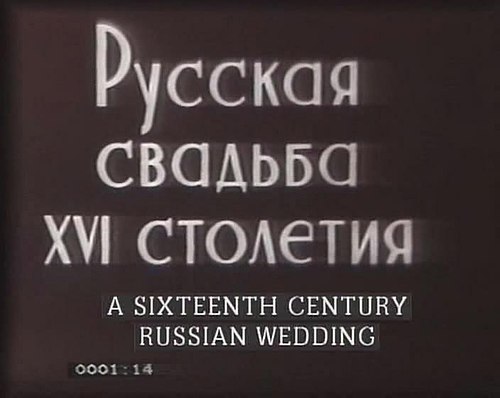
- Appeared in 'A Sixteenth Century Russian Wedding' (1909)
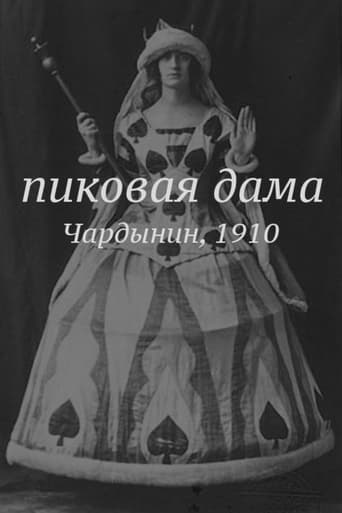
- Starred in 'The Queen of Spades' (1910)
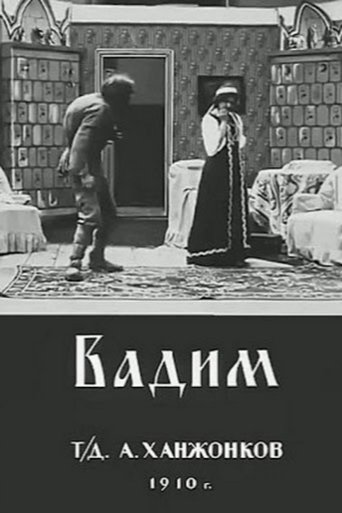
- Featured in 'Vadim' (1910)
- Appeared in 'Defence of Sevastopol' (1911), one of Russia's earliest feature films
Best Known For
Must-See Films
Why They Matter
Impact on Culture
Pavel Biryukov represents the generation of Russian film actors who helped establish the foundation of Russian cinema during its infancy. His participation in some of the earliest Russian narrative films places him among the trailblazers who transitioned from theatrical traditions to the new medium of cinema. Although individual contributions of actors from this period are often difficult to trace due to limited documentation, collectively they helped shape the emerging language of Russian film performance. His work in adaptations of classic Russian literature, such as 'The Queen of Spades,' helped establish the important relationship between Russian literature and cinema that would continue throughout the 20th century.
Lasting Legacy
The legacy of Pavel Biryukov is primarily historical, representing the early days of Russian cinema when the art form was still finding its voice. While his individual performances may be lost to time, his contribution as part of the first generation of Russian film actors helped establish the foundation upon which later Russian cinema giants would build. The films he appeared in, particularly 'Defence of Sevastopol,' are historically significant as examples of early Russian narrative filmmaking techniques and themes. His career, though brief, spans a crucial period when Russian cinema was transitioning from simple actualities to complex narrative storytelling.
Who They Inspired
Direct influence of Pavel Biryukov on later actors is difficult to trace due to the limited documentation of his work and the loss of many early Russian films. However, as part of the generation of Russian film actors, he would have contributed to establishing early performance techniques that would influence subsequent generations. The theatrical traditions that actors of his era brought to cinema helped shape the distinctive style of Russian film performance that would later be refined by more famous actors of the Soviet period.
Off Screen
Very little is documented about Pavel Biryukov's personal life, which is common for actors from this very early period of Russian cinema. Many records from this era were lost during the tumultuous periods of Russian history, including the 1917 Revolution and subsequent political upheavals. Like many early film pioneers, his life story remains largely undocumented in historical archives.
Did You Know?
- Pavel Biryukov was active during the very first decade of Russian narrative cinema
- He appeared in 'Defence of Sevastopol' (1911), which was one of Russia's earliest feature-length films
- His film active years covered only three years, from 1909 to 1911
- Like many early Russian films, most of his work is likely lost or exists only in fragments
- The films he appeared in were adaptations of Russian literary classics, reflecting the early Russian cinema's preference for literary sources
- He worked during the same period as other early Russian film pioneers like Vasily Goncharov and Alexander Khanzhonkov
- The exact nature and extent of his roles in these films remain unclear due to limited documentation
- His career ended around the same time that Russian cinema was beginning to establish itself as a significant cultural force
- Early Russian actors of his generation often maintained simultaneous careers in theater and film
- The period he worked in was before the establishment of major Russian film studios, making his work part of the industry's foundational era
Frequently Asked Questions
Who was Pavel Biryukov?
Early Russian film with credits in this catalog.
What films is Pavel Biryukov best known for?
Titles linked here include Defence of Sevastopol (1911), The Queen of Spades (1910).
When was Pavel Biryukov born and when did he die?
Specific birth and death dates for Pavel Biryukov are not documented, which is common for actors from this very early period of Russian cinema when record-keeping was limited.
What awards did Pavel Biryukov win?
No awards or honors are documented for Pavel Biryukov, as he worked during the very early period of cinema before formal award systems were established in the film industry.
What was Pavel Biryukov's acting style?
As an early silent film actor, Biryukov likely employed theatrical acting techniques with exaggerated gestures and expressions typical of the transitional period from stage to screen in early Russian cinema.