
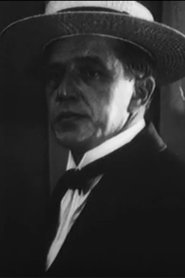
Films
6 films
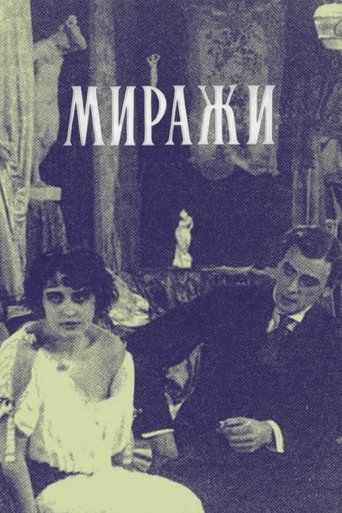
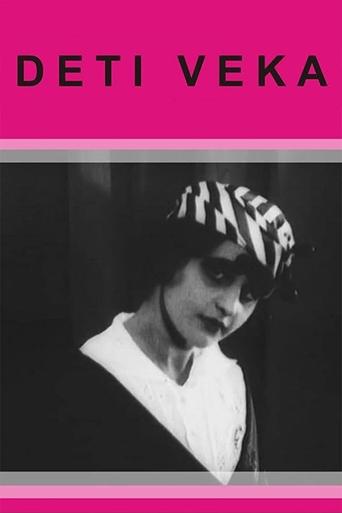
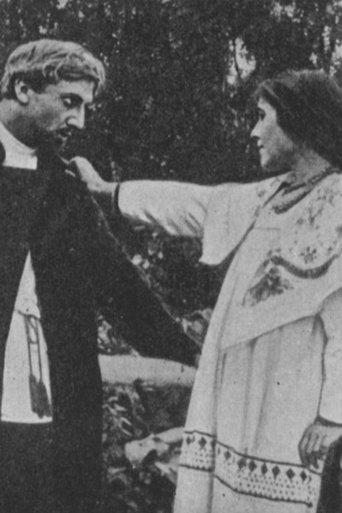
About Arseniy Bibikov
Arseniy Bibikov worked on one surviving credit: Defence of Sevastopol (1911). His career began during the silent film era, coinciding with the birth of the Russian film industry under producers like Aleksandr Khanzhonkov. Bibikov appeared in several significant early Russian productions, including the landmark historical film 'Defence of Sevastopol' (1911), which was one of Russia's first feature films. His filmography demonstrates his versatility, spanning historical epics, social dramas, and family narratives that reflected the changing Russian society of the pre-revolutionary period. Bibikov worked with some of the most important early Russian filmmakers of his time, contributing to the development of cinematic language in Russia before the Bolshevik Revolution. His relatively brief but impactful from 1911 to approximately 1916, ending around the time when the Russian Revolution would dramatically transform the country's film industry. Like many actors of his generation, Bibikov's work represents an important bridge between theatrical traditions and the emerging art of cinema in Russia.
The Craft
On Screen
As a silent film actor from the early Russian cinema period, Bibikov likely employed theatrical techniques adapted for the camera, emphasizing expressive gestures and facial features characteristic of the era. His performances would have been influenced by the strong theatrical traditions in Russia at the time, while adapting to the new medium of film that required more subtle expressions than the stage.
Milestones
- Appeared in 'Defence of Sevastopol' (1911), one of Russia's first feature films
- Worked during the golden age of pre-revolutionary Russian cinema
- Participated in early Russian film productions under Khanzhonkov studio
- Contributed to the development of silent film acting techniques in Russia
- Appeared in socially conscious films like 'The Peasants' Lot' (1912)
Best Known For
Iconic Roles
Must-See Films
Working Relationships
Worked Often With
Studios
Why They Matter
Impact on Culture
Arseniy Bibikov represents the generation of actors who helped establish Russian cinema as an art form during its infancy in the early 1910s. His participation in films like 'Defence of Sevastopol' places him among the pioneers who transitioned from theatrical traditions to the new medium of cinema. While not as well-remembered as some of his contemporaries who became major stars, Bibikov's work contributed to the development of Russian film language and storytelling techniques that would later influence world cinema. His active years covered a crucial period when Russian cinema was establishing its identity and producing films that reflected the social and political tensions of pre-revolutionary Russia.
Lasting Legacy
The legacy of Arseniy Bibikov is primarily historical, serving as proof of the early development of Russian cinema and the actors who shaped it. His surviving films provide valuable documentation of early Russian filmmaking techniques and the transition from theatrical performance to screen acting. While many films from this period have been lost, those featuring Bibikov that survive offer insight into the cultural and artistic landscape of Russia before the Revolution. His work represents an important chapter in the broader history of world cinema, highlighting the parallel development of film art in Russia alongside other national cinemas.
Who They Inspired
As an early pioneer, Bibikov's influence would have been primarily on his contemporaries and immediate successors in the Russian film industry. The acting techniques and approaches developed by actors of his generation helped establish the foundation for later Russian film performance styles. His work in socially themed films like 'The Peasants' Lot' contributed to early Russian cinema's engagement with social issues, a tradition that would become more pronounced in Soviet cinema.
Off Screen
Very little documented information is available about the personal life of Arseniy Bibikov, which is common for actors from the very early Russian silent film period. Many records from this era were lost during the political upheavals of the Russian Revolution and subsequent historical events.
Did You Know?
- Appeared in 'Defence of Sevastopol' (1911), which was one of the first full-length feature films produced in Russia
- His career coincided with the birth of the Russian film industry under producers like Aleksandr Khanzhonkov
- Worked exclusively during the silent era before the Russian Revolution transformed the country's film industry
- Like many early Russian actors, his career was relatively brief, spanning only about five years
- Participated in films that dealt with social issues relevant to pre-revolutionary Russian society
- His filmography includes both historical epics and contemporary social dramas
- Many records from early Russian cinema were lost during the political upheavals of the 1917 Revolution
- The films he appeared in were produced during what some historians call the 'Golden Age' of pre-revolutionary Russian cinema
Frequently Asked Questions
Who was Arseniy Bibikov?
Russian with credits in this catalog. He was one of the actors in early Russian cinema, appearing in several significant pre-revolutionary films including 'Defence of Sevastopol' (1911), which was one of Russia's first feature films.
What films is Arseniy Bibikov best known for?
Titles linked here include Defence of Sevastopol (1911), The Peasants' Lot (1912).
When was Arseniy Bibikov born and when did he die?
Unfortunately, specific birth and death dates for Arseniy Bibikov are not well-documented, which is common for many early Russian film actors. His active active years covered from 1911 to 1916, placing him as an adult during the early 1910s in the Russian Empire.
What awards did Arseniy Bibikov win?
There are no documented awards for Arseniy Bibikov, which is typical for actors from the very early silent film period when formal award systems for cinema had not yet been established in Russia or internationally.
What was Arseniy Bibikov's acting style?
As a silent film actor from early Russian cinema, Bibikov likely employed theatrical techniques adapted for the camera. His acting style would have emphasized expressive gestures and facial features characteristic of the silent era, influenced by Russia's strong theatrical traditions while adapting to the new medium of film.
What was Arseniy Bibikov's contribution to cinema?
Bibikov contributed to the development of early Russian cinema by participating in some of the first Russian feature films. His work helped establish acting techniques for the new medium and contributed to films that reflected pre-revolutionary Russian society and its concerns.
Why is there limited information about Arseniy Bibikov?
Limited information about Bibikov is typical for early Russian film actors due to several factors: many records were lost during the Russian Revolution and subsequent historical events, documentation practices were less systematic in early cinema, and he was not among the most famous stars of his era whose careers were extensively documented.