

The Burning Crucible
"Jealousy in an industrial marriage"
Keys: Space play/pause · ←/→ 10s · F fullscreen · M mute · </> speed
About this film
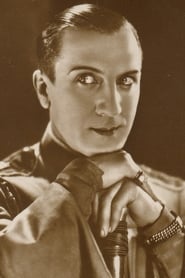
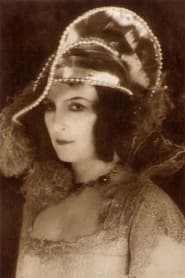
A woman, named simply "Elle" and her husband, a wealthy industrialist, are not on the best of terms. While she enjoys the way he caters to her every whim, she wonders whether he really loves her. He, on the other hand, torments himself by imagining rivals. One morning she awakens.
Cast & crew
More Comedy films
View all →






More from Ivan Mosjoukine
View all →


More about this film
About the production
Release date1923
ProductionFilms Albatros
Filmed inFrance
The film was produced by Films Albatros, a company founded by Russian émigrés in France after the Bolshevik Revolution. The production benefited from the technical expertise and artistic sensibilities that Russian filmmakers brought to French cinema. The film's sophisticated blend of comedy, drama, and mystery elements was characteristic of Ivan Mosjoukine's versatile approach to filmmaking. The production quality was considered high for its time, reflecting Mosjoukine's status as one of Europe's biggest film stars of the 1920s. The nightmare sequence required innovative visual effects and cinematography techniques that were advanced for the period.
Themes
Marital discord and reconciliationJealousy and trust in relationshipsThe nature of love and affectionThe power of imagination and dreamsThe contrast between urban and rural life
Themes & topics
detectivemarriagejealousynightmarereconciliationwealthy couplePariscountry estatemysterycomedydramaemigresilent film
Historical background
When The Burning Crucible debuted in 1923, Films Albatros was among the companies feeding nickelodeons and larger houses alike.
Why this film matters
Museum programs pair The Burning Crucible with other 1923 works when discussing a woman, named simply "elle" and her husband, a wealthy industrialist, are not on the best.
Making of
Ivan Mosjoukine was a celebrated Russian actor who became a major star in French cinema after emigrating following the Russian Revolution. 'Le Brasier Ardent' was one of several films he directed and starred in during his tenure with Films Albatros. The production benefited from the technical expertise of Russian émigrés who had brought sophisticated cinematic techniques from Russia, including advanced lighting and camera work. The film's blend of comedy, drama, and mystery elements was characteristic of Mosjoukine's versatile approach to cinema. The Detective Z character was likely inspired by the popular detective fiction of the era, which was experiencing a golden age in the 1920s. The production quality reflected Mosjoukine's star status and the resources available to Films Albatros, which was especially successful Russian émigré studios in France.
What critics said
Archival catalogs list The Burning Crucible without citing major awards, matching its 1923 profile.
Did you know?
- The film's original French title is 'Le Brasier Ardent', which translates to 'The Burning Crucible' or 'The Burning Hearth'
- Ivan Mosjoukine was not only the star but also the director of this film, showcasing his versatility as a filmmaker
- The film was produced by Films Albatros, especially successful companies founded by Russian émigrés in France
- Mosjoukine was one of the highest-paid actors in European cinema during this period, earning approximately 100,000 francs per film
- The Detective Z character was inspired by the popular detective fiction of the era, which was experiencing a golden age in the 1920s
- The film features a nightmare sequence that likely incorporated German Expressionist visual influences
- Mosjoukine was known for his highly expressive acting style, which he brought from Russian theater to French cinema
- The film's title refers to the 'burning passion' or emotional intensity at the heart of the story
- The 'Trouve Tout' Agency in the film translates to 'Find Everything' Agency, reflecting the comedic elements of the story
- The film was part of Mosjoukine's successful period in French cinema after leaving Russia following the Bolshevik Revolution
Visual style
The cinematography of 'Le Brasier Ardent' reflected the sophisticated visual style that Russian émigré filmmakers brought to French cinema. The film featured careful composition and lighting techniques that were more advanced than typical French productions of the period. The visual storytelling was particularly important in conveying the emotional states of the characters, given the silent nature of the film. The nightmare sequence mentioned in the plot provided opportunities for innovative visual effects and cinematography, likely incorporating influences from German Expressionist cinema. The cinematography helped establish the shifting tones between comedy, drama, and mystery elements that characterized the film.
Innovations
The film demonstrated the technical expertise that Russian émigré filmmakers brought to French cinema. The production featured sophisticated camera work, lighting, and editing techniques that were advanced for the period. The blend of different genres within a single film was also technically challenging, requiring careful pacing and tonal shifts. The film's production values reflected Mosjoukine's star status and the resources available to Films Albatros. The nightmare sequence likely incorporated innovative visual effects techniques that were cutting-edge for the time. The film's technical sophistication represented the high standards achieved by Russian émigré productions in France during the 1920s.
Music
As a silent film, 'Le Brasier Ardent' would have been accompanied by live musical performance in theaters. The original score is not documented, but films of this period typically used a combination of classical pieces and original compositions to underscore the action and emotions. The music would have been particularly important in conveying the shifting tones between comedy, drama, and mystery elements. Larger theaters might have employed small orchestras, while smaller venues would have used piano accompaniment. The quality of musical accompaniment varied by theater, with more prestigious cinemas offering more elaborate musical presentations.
Memorable scenes
- The nightmare sequence where the wife is pursued by a man in various guises
- The scene where the husband visits the 'Trouve Tout' Agency to hire Detective Z
- The quarrel scene between the couple about moving to the country estate
- The introduction of Detective Z character
- The final reconciliation scene between the couple
What audiences thought
The film was well-received by audiences of its time, particularly those who appreciated Mosjoukine's star power and versatile acting. The blend of comedy, drama, and mystery elements appealed to the sophisticated tastes of European cinema audiences in the 1920s. The film's themes of marital relationships and jealousy resonated with contemporary audiences who were navigating changing social norms in the post-war period. Mosjoukine's popularity ensured good attendance for the film upon its release, though its specific box office numbers are not documented. The film's success contributed to Mosjoukine's status as one of the biggest stars in European cinema during the silent era.
Film connections
Influenced by
- Russian theatrical traditions of expressive performance
- European detective fiction of the 1920s
- German Expressionist cinema (particularly in the nightmare sequence)
- French comedy traditions
- The sophisticated narrative structures of Russian literature
- The cinematic techniques developed in pre-revolutionary Russian cinema
This film influenced
- Later French comedy-dramas
- Films that blend multiple genres
- Works featuring detective characters in romantic contexts
- Films exploring marital relationships
- The development of sophisticated narrative techniques in European cinema
Film restoration
Information about the preservation status of 'Le Brasier Ardent' is limited. Many films from this period have been lost or exist only in incomplete form. The film
Where to watch
- Wikimedia Commons: https://commons.wikimedia.org/wiki/File:Le%20Brasier%20ardent%20(1923).webm