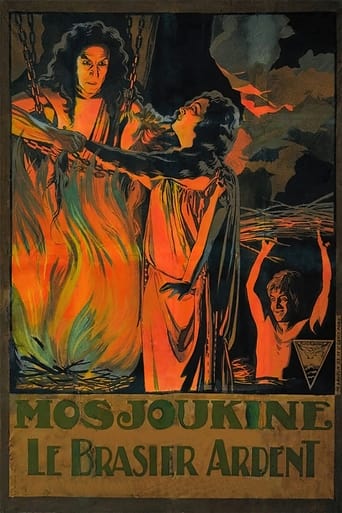
Films
1 film
About Huguette Delacroix
The 1923 film The Burning Crucible is the only title linked here for Huguette Delacroix. Her career was remarkably short, spanning only the single year of 1923, making her one of cinema's most ephemeral figures. Little is documented about her early life or how she entered the film industry, but her appearance in 'The Burning Crucible' suggests she was likely working within the French film industry during its post-war artistic boom. The film itself was a melodramatic production typical of the period, and Delacroix played a supporting role that, while noted in contemporary reviews, did not lead to further opportunities. Her disappearance from the cinematic record after 1923 remains a mystery, with no verified information about subsequent career paths, personal life, or even her fate. This lack of documentation has made her a subject of curiosity among silent film enthusiasts and historians specializing in obscure performers of the era. Her legacy exists solely through the surviving prints of her lone film, proof of the countless anonymous talents who briefly graced the silver screen.
The Craft
Milestones
- Appeared in the French silent drama 'The Burning Crucible' (1923)
Best Known For
Iconic Roles
Must-See Films
Why They Matter
Impact on Culture
Huguette Delacroix's cultural impact is minimal due to her extremely brief career, limited to a single film appearance in 1923. She represents a broader phenomenon of the silent era: the countless actors and actresses who appeared in films and then vanished from historical record, often leaving behind only a flickering image. Her story serves as a poignant reminder of the transient nature of fame and the vast number of contributors to early cinema whose stories remain untold. Film historians and archivists view figures like Delacroix as important pieces of the larger puzzle of cinema history, representing the anonymous workforce that helped build the foundation of the film industry.
Lasting Legacy
Huguette Delacroix's legacy is that of an enigma, a ghost of the silent era whose existence is confirmed only by her name in the credits of a single film. She has become a symbol of the lost talents of early cinema, those performers who never achieved stardom but nonetheless contributed to the art form. For film scholars and silent cinema enthusiasts, she represents the challenges of historical research and the many gaps that exist in our knowledge of the period. Her story, or lack thereof, highlights the importance of film preservation and the ongoing effort to document the lives of even the most minor figures in film history.
Who They Inspired
Given her extremely limited filmography, Huguette Delacroix had no discernible influence on other actors or the trajectory of cinema. Her brief appearance did not spawn imitators or inspire future generations in any documented way. Her influence is purely historical, serving as a case study in the ephemeral nature of early film careers and the difficulties of tracing the lives of non-star performers from the silent era.
Off Screen
Extremely limited information is available about Huguette Delacroix's personal life. No records have been found regarding her family background, education, or life outside of her brief film appearance. Her complete absence from public records after 1923 has led to speculation that she may have married and changed her name, left the entertainment industry entirely, or possibly passed away at a young age.
Did You Know?
- Huguette Delacroix's entire known film career consists of a single film credit in 1923.
- The film she appeared in, 'The Burning Crucible' (Le Creuset brûlant), is now considered obscure and is rarely screened.
- No photographs of Huguette Delacroix are widely known to exist outside of stills from her lone film.
- Her name does not appear in major film encyclopedias, highlighting how completely she vanished from the historical record.
- She is one of thousands of actors from the silent era whose biographical details are completely lost to time.
- The director of 'The Burning Crucible' is also relatively obscure, contributing to the mystery surrounding the film and its cast.
- Film historians have been unable to trace any records of her birth, marriage, or death under the name Huguette Delacroix.
Frequently Asked Questions
Who was Huguette Delacroix?
French actress from the silent film era whose entire known career consisted of a single appearance in the 1923 film 'The Burning Crucible'. She is notable for being a complete mystery, as no biographical information about her life exists outside of this lone film credit.
What films is Huguette Delacroix best known for?
Titles linked here include The Burning Crucible (1923).
When was Huguette Delacroix born and when did she die?
Both her birth and death dates are unknown. No verifiable biographical records have been found for her, making her.
What awards did Huguette Delacroix win?
Huguette Delacroix did not receive any known awards or nominations for her work. Her brief career in a single supporting role precluded any formal recognition.
What was Huguette Delacroix's acting style?
Due to the loss of most of her film and the lack of documentation, her specific acting style is unknown. Like many supporting actors of the period, she likely employed the exaggerated gestures and expressions typical of silent film melodrama.