Films
2 films
About Paul Franceschi
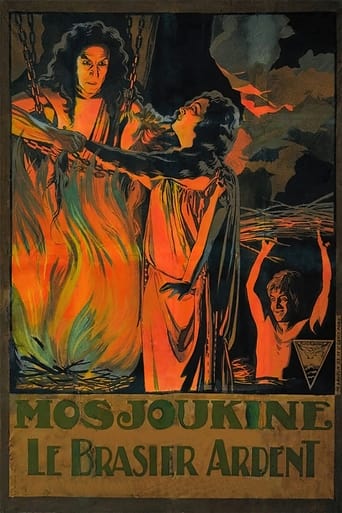
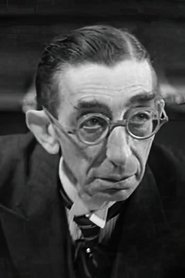
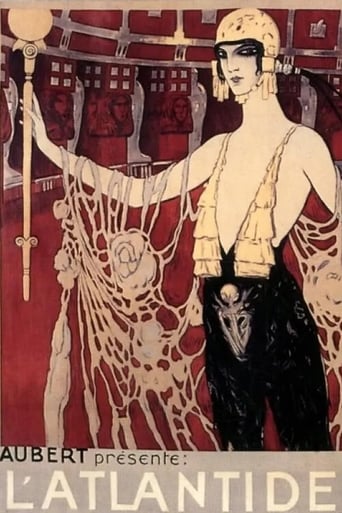
French actor who had a brief but notable career during the early years of French cinema in the silent era. His filmography, though limited, includes appearances in two significant productions of the early 1920s. Franceschi appeared in Jacques Feyder's acclaimed 1921 adaptation of Pierre Benoit's novel 'L'Atlantide,' which was one of the major French film productions of its time and gained international recognition. The following year, he appeared in 'The Burning Crucible' (1923), though details about his role in this production remain scarce. Like many actors of the silent era whose careers were cut short by the transition to sound films or other circumstances, detailed biographical information about Franceschi is limited in surviving film archives and historical records. His brief appearance in the cinematic landscape of early 1920s French cinema places him among the many supporting actors who contributed to the foundation of European film history during its formative years.
The Craft
Milestones
- Appeared in Jacques Feyder's 'L'Atlantide' (1921)
- Role in 'The Burning Crucible' (1923)
- Participated in early French silent cinema productions
Best Known For
Must-See Films
Working Relationships
Worked Often With
Why They Matter
Impact on Culture
Paul Franceschi's cultural impact is primarily through his participation in 'L'Atlantide' (1921), which was a significant achievement in early French cinema and helped establish France as a major force in international film production during the silent era. The film was notable for its ambitious scale, exotic locations, and sophisticated visual storytelling techniques that influenced subsequent adventure and fantasy films. While Franceschi himself was not a leading figure, his contribution as part of the ensemble cast represents the collaborative nature of early film production and the many talented actors who worked behind the scenes to bring these cinematic works to life.
Lasting Legacy
Paul Franceschi's legacy exists primarily through his documented appearances in early French cinema, particularly in the historically significant film 'L'Atlantide.' While he did not achieve lasting fame, his work is preserved as part of the broader history of silent era French cinema. His brief career exemplifies the transient nature of early film acting, where many talented individuals contributed to important works but were subsequently lost to historical record. Film historians and silent cinema enthusiasts continue to research and document actors like Franceschi to build a more complete picture of cinema's early development and the many artists who contributed to its evolution.
Who They Inspired
Due to the brevity of his career and limited documentation of his work, Paul Franceschi's direct influence on subsequent actors or filmmakers cannot be definitively established. However, like all actors who participated in early cinema, he contributed to the development of acting techniques for the silent medium and helped establish the visual language of film performance that would influence generations of actors to come.
Off Screen
Very limited information is available about Paul Franceschi's personal life, which is typical for many supporting actors from the silent era whose careers were brief and who did not achieve major stardom. Like many actors of his era, detailed personal records were not preserved or have been lost over time.
Did You Know?
- Paul Franceschi appeared in only two known films during his career
- His most notable work was in 'L'Atlantide' (1921), which was
- The film 'L'Atlantide' was shot on location in the Sahara Desert, making it an ambitious production for its era
- Like many silent era actors, his career appears to have ended before the transition to sound films
- Details about his specific roles in these films have been lost to time
- He represents the many anonymous actors who contributed to early cinema's development
- The limited documentation of his career is typical for supporting actors of the silent era
Frequently Asked Questions
Who was Paul Franceschi?
French with credits in this catalog.
What films is Paul Franceschi best known for?
Titles linked here include L'Atlantide (1921), The Burning Crucible (1923).
When was Paul Franceschi active in cinema?
Paul Franceschi's known film active years covered from 1921 to 1923, placing him firmly in the silent era of French cinema.
Why is there so little information about Paul Franceschi?
The scarcity of information about Paul Franceschi is typical for many supporting actors from the silent era who had brief careers and did not achieve major stardom, as detailed records were often not preserved.
What was the significance of 'L'Atlantide' (1921)?
'L'Atlantide' was a major French silent film production directed by Jacques Feyder, based on Pierre Benoit's popular novel, and was notable for its ambitious scale, exotic locations, and international success.