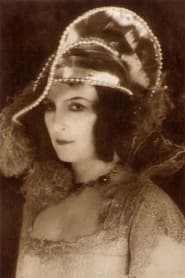
Nathalie Lissenko
Actor
Born: July 14, 1884 in Odessa, Russian Empire (now Ukraine) Died: May 7, 1969 Active: 1917-1928 Birth Name: Natalya Ivanovna Lissenko
Films
5 films
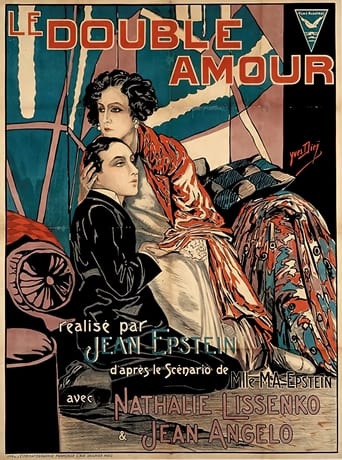
About Nathalie Lissenko
Prominent Russian silent film actress: the revolutionary period in Russia and the early years of European cinema. Born in Odessa in 1884, she began her film career around 1917 and quickly became known for her powerful dramatic performances in Russian films. After the Russian Revolution, she emigrated to Europe where she continued her successful career in French and German cinema, working with some of the most significant directors of the era. Lissenko was particularly known for her collaborations with director Yakov Protazanov and her work alongside her husband, actor Ivan Mosjoukine. Her acting style embodied the dramatic, expressive techniques characteristic of silent film performance, with her eyes and facial expressions conveying complex emotional states. Nathalie appears in numerous significant films of the 1910s and 1920s, including adaptations of literary works and original screenplays that showcased her versatility as an actress. As the transition to sound films began, Lissenko's career gradually diminished, but she on the golden age of silent cinema.
The Craft
On Screen
Lissenko embodied the dramatic, expressive acting style characteristic of silent film performers, using exaggerated gestures and intense facial expressions to convey emotions. Her performances were marked by a theatrical intensity that translated well to the screen, with particular emphasis on her expressive eyes and ability to convey complex psychological states through physical movement. Like many Russian actors of her era, she brought a depth of emotional authenticity to her roles, drawing from the rich tradition of Russian theatrical performance.
Milestones
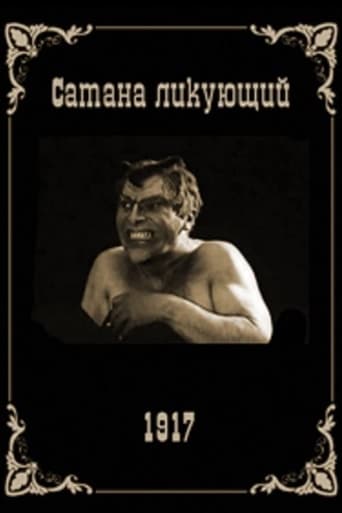
- Starred in Satan Triumphant (1917),
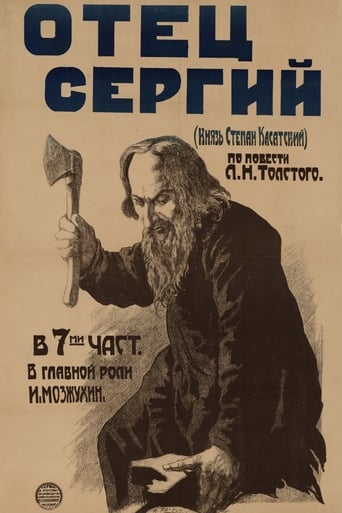
- Appeared in Father Sergius (1918), an adaptation of Tolstoy's work
- Successfully transitioned to European cinema after Russian Revolution
- Worked with prominent director Yakov Protazanov on multiple occasions
- Collaborated frequently with husband Ivan Mosjoukine in French productions
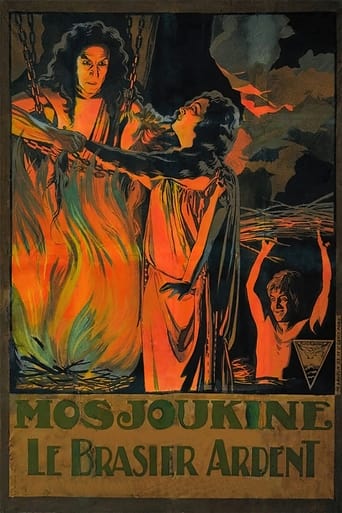
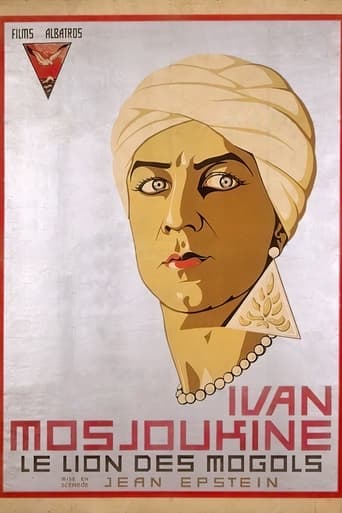
- Starred in The Burning Crucible (1923) and The Lion of the Moguls (1924) during her European period
Best Known For
Iconic Roles
Must-See Films
Accolades
Special Recognition
- Recognized as one of the Russian actresses who successfully transitioned to European cinema
- Remembered as a significant figure in the migration of Russian film talent to the West after the Revolution
Working Relationships
Worked Often With
Studios
Why They Matter
Impact on Culture
Nathalie Lissenko represented the significant migration of Russian artistic talent to Western Europe following the Bolshevik Revolution, bringing the rich tradition of Russian dramatic performance to international cinema. Her work helped bridge Russian and European film cultures during a crucial period of cinematic development. As part of the Russian émigré community in Paris, she contributed to the creation of a distinctive Russian-influenced style in European cinema that blended Russian emotional depth with European sophistication. Her films, particularly those made with Mosjoukine, were instrumental in establishing Russian actors as major stars in international cinema during the 1920s.
Lasting Legacy
Lissenko's legacy lies in her role as a cultural ambassador between Russian and European cinema during the silent era. She is remembered as one of the Russian actresses who successfully made the transition to international stardom, paving the way for future generations of Eastern European actors in Western cinema. Her surviving films serve as important artifacts of early 20th century cinema, showcasing the acting styles and artistic sensibilities of the period. Film historians recognize her as a significant figure in the story of Russian cinema's global influence and the cultural exchange between East and West during the interwar period.
Who They Inspired
Lissenko influenced subsequent generations of actors through her demonstration of how Russian theatrical techniques could be adapted for the international cinema market. Her success in European films helped establish a precedent for Russian actors working abroad and contributed to the appreciation of Russian dramatic traditions in international cinema. Her collaboration with Mosjoukine created a model for artistic partnerships between actors that influenced later cinematic couples. Her expressive style, while characteristic of the silent era, provided a template for conveying complex emotions through physical performance that continued to influence acting techniques even after the advent of sound.
Off Screen
Lissenko's personal life was marked by both tragedy and professional partnership. She was first married to Alexander Volkov, another Russian film actor, until his death in 1917. In 1923, she married fellow Russian émigré actor Ivan Mosjoukine,. Their marriage was both romantic and professional, as they frequently appeared together in films and became. After Mosjoukine's death in 1939, Lissenko lived a relatively private life in France, where she spent her remaining years until her death in Paris in 1969.
Education
Trained in Russian theatrical tradition, likely studied at Russian dramatic schools or theaters, though specific educational details are not well documented
Family
- Alexander Volkov (until 1917)
- Ivan Mosjoukine (1923-1939)
Did You Know?
- Was part of the significant wave of Russian film artists who emigrated to Europe after the 1917 Revolution
- Her second marriage to Ivan Mosjoukine was
- Worked with Albatros Film, a company founded by Russian émigrés that became one of France's most important production companies in the 1920s
- Her film Satan Triumphant (1917) was one of the last major Russian films made before the Revolution completely transformed the country's film industry
- Appeared in adaptations of works by major Russian authors, including Leo Tolstoy
- Her acting style was particularly noted for its emotional intensity and psychological depth, characteristic of the Russian school of performance
- After the transition to sound films, like many silent-era actors, her career diminished significantly
- Spent her final years in relative obscurity in Paris, far from the international stardom she had enjoyed in the 1920s
In Their Own Words
While specific quotes are not well documented, her performances were known for their emotional depth and dramatic intensity
Her film work was described by contemporary critics as embodying the 'Russian soul' in cinematic form
Frequently Asked Questions
Who was Nathalie Lissenko?
Prominent Russian silent film actress who starred in significant Russian and European films during the 1910s and 1920s. She was particularly known for her dramatic roles and her collaborations with director Yakov Protazanov and actor Ivan Mosjoukine, whom she later married.
What films is Nathalie Lissenko best known for?
Titles linked here include Satan Triumphant (1917), Father Sergius (1918).
When was Nathalie Lissenko born and when did she die?
Born July 14, 1884; died May 7, 1969.
What awards did Nathalie Lissenko win?
While specific awards from the silent era are not well documented, Lissenko was recognized as one of the Russian actresses who successfully transitioned to European cinema. Her legacy is honored through film historical recognition of her contributions to early cinema.
What was Nathalie Lissenko's acting style?
Lissenko embodied the dramatic, expressive acting style characteristic of silent film performers, using exaggerated gestures and intense facial expressions to convey emotions. Her performances were marked by theatrical intensity and emotional depth, drawing from Russian theatrical traditions.
How did Nathalie Lissenko's career evolve after the Russian Revolution?
After the 1917 Russian Revolution, Lissenko emigrated to Europe where she continued her successful career in French and German cinema. She worked with prominent directors and became part of the Russian émigré film community in Paris, starring in several notable European productions throughout the 1920s.