Films
6 films
About Camille Bardou
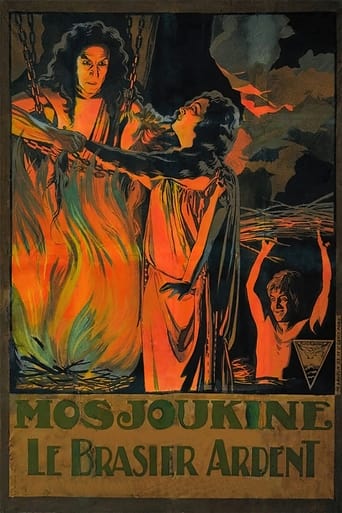
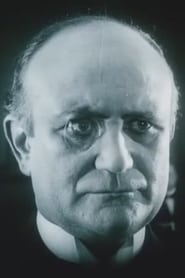
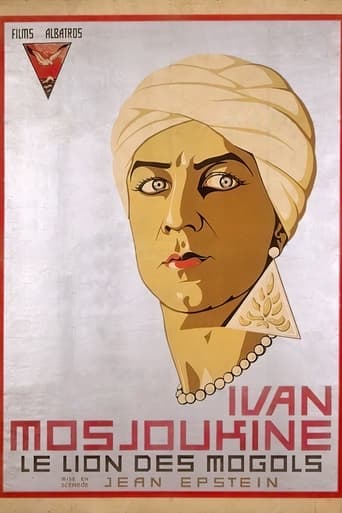
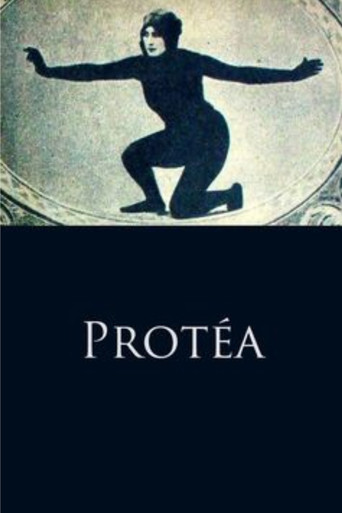
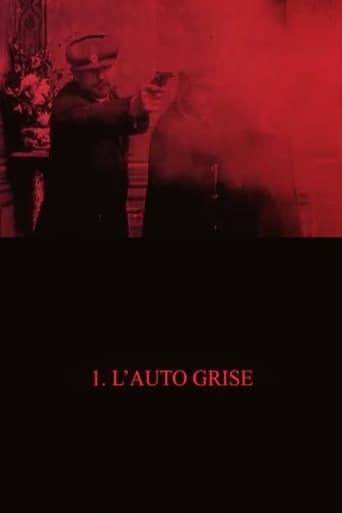
Made his mark during the golden age of silent cinema, primarily working in French productions during the 1910s and early 1920s. He began his film career in 1912 with an appearance in 'Bandits En Automobile - Episode 1: The Gray Car Gang,' quickly establishing himself as a reliable character actor in the burgeoning French film industry. Bardou gained significant recognition for his role in the 1913 film 'Protéa,' which was notable for featuring one of cinema's earliest female action heroes and helped establish the serial film format in France. Throughout his career, he demonstrated versatility by appearing in various genres, from crime dramas to historical epics. His later work in the 1920s included performances in 'The Burning Crucible' (1923) and 'The Lion of the Moguls' (1924), showcasing his continued relevance as French cinema evolved. Bardou's the crucial transitional period when cinema was establishing itself as a legitimate art form in Europe. Though his filmography was relatively brief, ending around 1924, his contributions to early French cinema helped shape the foundation for the country's rich cinematic tradition.
The Craft
On Screen
As a silent era actor, Camille Bardou employed the exaggerated gestures and facial expressions typical of the period, using physicality to convey emotion and character motivation in the absence of dialogue. His performances demonstrated the theatrical background common among early film actors, with deliberate movements and expressive features that could be clearly understood by audiences. Bardou's style adapted to the evolving cinematic techniques of the 1910s and 1920s, showing increasing subtlety as film language became more sophisticated.
Milestones
- Debut in 'Bandits En Automobile - Episode 1: The Gray Car Gang' (1912)
- Notable role in serial film 'Protéa' (1913)
- Appeared in 'The Burning Crucible' (1923)
- Final film appearance in 'The Lion of the Moguls' (1924)
Best Known For
Iconic Roles
Must-See Films
Working Relationships
Worked Often With
Studios
Why They Matter
Impact on Culture
Camille Bardou contributed to the development of French cinema during its formative years, participating in films that helped establish narrative and genre conventions that would influence filmmakers for decades. His work in 'Protéa' was particularly significant, as this early serial film featuring a female protagonist helped pave the way for more diverse representation in cinema and established storytelling techniques that would become staples of action and adventure genres. As part of the French silent film industry, Bardou was among the generation of actors who demonstrated that film could be a serious artistic medium, contributing to France's reputation as a force in early cinema.
Lasting Legacy
Though not as widely remembered as some of his contemporaries, Camille Bardou's legacy endures through his contributions to early French cinema, particularly his work in films that are now recognized as important milestones in film history. His appearances in surviving silent films provide valuable documentation of acting styles and production techniques from this crucial period in cinema development. Bardou represents the countless working actors who formed the backbone of the early film industry, whose collective efforts helped establish cinema as both entertainment and art form.
Who They Inspired
As a character actor during the silent era, Camille Bardou's influence was primarily through his contributions to the films in which he appeared, rather than through direct mentorship of other performers. His work in early French serials helped demonstrate the potential of extended narrative formats in cinema, influencing subsequent generations of filmmakers who would develop the serial and series formats further. The professional standards and work ethic he embodied as an early film actor helped establish precedents for future generations of performers in French cinema.
Off Screen
Limited information is available about Camille Bardou's personal life, which was common for many character actors of the silent era whose private details were not extensively documented in contemporary press. As a working actor during the formative years of French cinema, he was part of a generation of performers who helped establish the professional standards of the film industry. His active years covered the crucial period when cinema transitioned from novelty to art form, and he witnessed firsthand the technical and artistic developments that shaped modern filmmaking.
Did You Know?
- Appeared in one of cinema's earliest action serials with 'Protéa' (1913)
- Worked during the transitional period when French cinema was establishing its artistic identity
- Participated in both short-form serials and feature-length films
- His active years covered the period just before French cinema's avant-garde movement of the 1920s
- Represented the generation of actors who transitioned from theatrical to film performance styles
- Worked in an era when French cinema was competing internationally with American and German productions
- His filmography coincides with the development of more sophisticated cinematic techniques in European film
Frequently Asked Questions
Who was Camille Bardou?
French with credits in this catalog.' He was a character actor who contributed to the development of French cinema during its formative years.
What films is Camille Bardou best known for?
Titles linked here include Protéa (1913), The Burning Crucible (1923).
When was Camille Bardou born and when did he die?
Born 1872; died 1937.
What was Camille Bardou's acting style?
As a silent era actor, Camille Bardou employed the theatrical and expressive style typical of the period, using exaggerated gestures and facial expressions to convey emotion and character. His style evolved with the increasing sophistication of film language during the 1910s and 1920s.
What was the significance of 'Protéa' in Camille Bardou's career?
'Protéa' (1913) was particularly significant in Bardou's career as it was one of cinema's earliest action serials featuring a female protagonist. The film was groundbreaking for its time and helped establish conventions that would influence future action and adventure films in cinema history.