

Keys: Space play/pause · ←/→ 10s · F fullscreen · M mute · </> speed
Plot
Protéa follows the adventures of a daring female spy and master of disguise, portrayed by Josette Andriot, who operates as an agent for a secret organization. The film showcases her acrobatic abilities and clever tactics as she undertakes dangerous missions involving espionage, sabotage, and intrigue against various adversaries. Set against the backdrop of European political tensions of the early 1910s, Protéa navigates through a series of thrilling escapades that test her skills and resolve. The narrative combines elements of crime, mystery, and action as she outwits her opponents while maintaining her secret identity. The film establishes her as a formidable intelligence operative who uses both physical prowess and intellectual cunning to achieve her objectives.
About the Production
Release Date 1913
Box Office Unknown - box office tracking was not systematically recorded in 1913
Production Éclair
Filmed In Paris, France, Éclair Studios, Épinay-sur-Seine
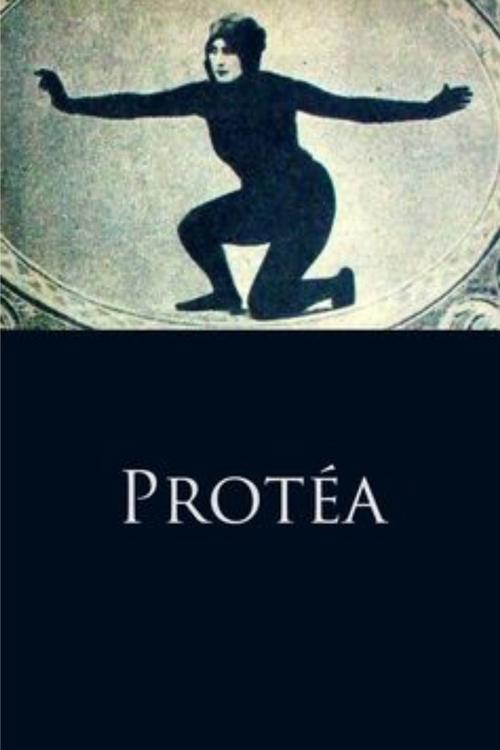
Protéa was shot using the early film techniques of the era, with natural lighting where possible to achieve Jasset's signature 'Rembrandt' effect. The film was produced by Éclair, one of France's major film studios of the period. Josette Andriot's distinctive black jersey costume became iconic and was specifically designed to highlight her acrobatic movements during action sequences. The production utilized location shooting around Paris, which was innovative for the time, combined with studio work at Éclair's facilities. Jasset's meticulous attention to lighting and visual composition set this film apart from many contemporary productions.
Themes & Topics
spyespionageactionmysterycrimefemale protagonistdisguiseadventureserialFrench cinemasilent filmacrobaticssecret agentintrigueParis
Historical Background
Protéa was produced in 1913, a significant year in cinema history as the medium was transitioning from short films to feature-length narratives. France was still the dominant force in global cinema, with companies like Pathé and Éclair leading the industry. The film emerged during a period of increasing international tensions that would eventually lead to World War I, reflecting contemporary anxieties about espionage and international intrigue. The early 1910s also saw the rise of the serial film format, with episodic stories featuring recurring characters becoming increasingly popular with audiences. French cinema in particular was experimenting with genre films, including crime stories, mysteries, and adventure narratives. The representation of a strong, capable female protagonist in Protéa was somewhat progressive for its time, though still operating within the sensationalist traditions of popular entertainment. The film industry was rapidly evolving technically, with longer films becoming possible and more sophisticated storytelling techniques being developed.
Why This Film Matters
Protéa holds significant cultural importance as one of the earliest examples of a female action hero and spy protagonist in cinema history. The character predated many of the most famous female spies and adventurers of later decades, establishing a template that would influence countless films to follow. Josette Andriot's portrayal created a visual archetype with her black jersey costume that would be echoed in later French cinema, most notably in Musidora's Irma Vep. The film represents an early example of the female-led action genre, demonstrating that audiences in the 1910s were receptive to women in physically demanding and intellectually challenging roles. Protéa also exemplifies the French serial tradition that would influence American film serials of the 1930s and 1940s. The film's success in launching a series (continued after Jasset's death) demonstrated the commercial viability of recurring characters and franchise filmmaking, concepts that would become central to the film industry. Additionally, Jasset's visual style and approach to action choreography influenced subsequent directors working in the crime and spy genres.
Making Of
The production of Protéa took place during a pivotal moment in cinema history when films were transitioning from short novelty pieces to longer narrative features. Director Victorin-Hippolyte Jasset, already an established figure in French cinema, brought his distinctive visual style to this production, emphasizing dramatic lighting and composition that earned him comparisons to the painter Rembrandt. The filming process involved both studio work at Éclair's facilities in Épinay-sur-Seine and location shooting around Paris, which was still relatively uncommon in 1913. Josette Andriot performed many of her own stunts and acrobatic sequences, showcasing her physical abilities that had been developed through her previous work with Jasset. The close-fitting black jersey costume was specifically chosen to allow freedom of movement while creating a striking visual image. The production team utilized natural lighting whenever possible, with Jasset personally supervising the lighting setup to achieve his characteristic chiaroscuro effects. The film was completed just before Jasset's death, making it his final directorial effort and a testament to his contributions to early cinema.
What Critics Said
Contemporary critical reception of Protéa was generally positive, with reviewers of the time praising its exciting action sequences and innovative visual style. French film journals noted Jasset's masterful use of lighting and composition, reinforcing his reputation as 'the Rembrandt of the cinema.' Critics particularly highlighted Josette Andriot's performance and physical prowess, with some commenting on the novelty of a female protagonist in such an action-oriented role. The film's pacing and rhythmic action sequences were frequently mentioned as standout features. Modern film historians and critics have reassessed Protéa as an important milestone in early cinema, particularly in the development of the action genre and the representation of female protagonists. The film is often cited in scholarly works about early French cinema and the evolution of the spy genre. Critics today appreciate the film's technical achievements and its place in the broader context of pre-WWI European cinema, though some note that its narrative conventions reflect the sensationalist tendencies of popular entertainment of the period.
Did You Know?
- Protéa was the last film directed by Victorin-Hippolyte Jasset, who died shortly after its completion
- Josette Andriot's black jersey costume in this film predated Musidora's similar outfit as Irma Vep in 'Les Vampires' (1915) by two years
- Jasset was nicknamed 'the Rembrandt of the cinema' for his innovative use of lighting and shadows
- The character of Protéa was one of cinema's first female action heroes and spies
- Despite Jasset's death, the series continued with four more films starring Andriot but directed by others
- Éclair, the production company, was one of France's most important early film studios
- The film was part of the early serial format that would become extremely popular in the 1910s and 1920s
- Josette Andriot was Jasset's favorite actress and had appeared in many of his previous films
- The film's success helped establish the female spy as a recurring character type in European cinema
- Protéa's acrobatic stunts were performed by Andriot herself, unusual for the period when stunt doubles were becoming common
More film details Visual style, music, quotes, restoration, and more
Visual Style
The cinematography of Protéa exemplifies Victorin-Hippolyte Jasset's distinctive visual style, characterized by dramatic use of light and shadow that earned him the nickname 'the Rembrandt of the cinema.' The film employs chiaroscuro techniques to create mood and emphasize the mysterious nature of the espionage narrative. Jasset and his cinematographers utilized natural lighting where possible, supplementing with artificial lighting to achieve specific dramatic effects. The camera work was relatively static, as was common in 1913, but Jasset employed careful composition and framing to enhance the visual storytelling. The action sequences were choreographed to take advantage of the fixed camera position, with movements designed to be clearly visible and impactful within the frame. The black jersey costume worn by Josette Andriot was chosen partly for its visual impact, creating a striking silhouette against the varied lighting conditions. The film also made effective use of location shooting around Paris, capturing the urban environment in ways that added authenticity to the spy narrative. The visual style balanced the need for clarity in storytelling with atmospheric effects that enhanced the mystery and danger of the protagonist's missions.
Innovations
Protéa showcased several technical achievements for its time, particularly in its use of lighting and visual effects. Jasset's innovative approach to cinematography, employing dramatic chiaroscuro effects, was considered advanced for 1913 and influenced subsequent visual storytelling in cinema. The film's action sequences demonstrated sophisticated choreography and camera placement designed to maximize visual impact despite the limitations of static camera positioning. The production made effective use of both location shooting and studio work, combining the authenticity of real Parisian locations with the controlled environment of studio sets. The costume design for Josette Andriot's character was technically innovative in its consideration of movement and visual impact on film. The film also demonstrated advances in narrative structure for the period, with a more developed plot arc than many contemporary shorts. The successful integration of these technical elements contributed to the film's commercial success and critical recognition. The production also benefited from Éclair's advanced film processing and printing facilities, ensuring high visual quality for the period.
Music
As a silent film, Protéa would have been accompanied by live musical performance during its original theatrical run. The specific musical selections would have been at the discretion of individual theater musicians or music directors, though they typically drew from classical repertoire and popular pieces of the era. The music would have been synchronized with the on-screen action, with faster, more dramatic pieces accompanying the action sequences and more subtle, mysterious themes for the espionage scenes. Some theaters might have used cue sheets provided by the distributor, suggesting appropriate musical moods for specific scenes. The score would have typically been performed by a small ensemble ranging from a single pianist to a small orchestra, depending on the theater's resources. The music played a crucial role in establishing atmosphere and enhancing the emotional impact of the visual narrative, particularly during moments of tension and revelation. No original score or specific musical cues for Protéa survive, as was common for films of this period.
Memorable Scenes
- The introduction of Protéa in her iconic black jersey costume, establishing her character as a capable and mysterious agent
- The acrobatic escape sequence where Protéa uses her physical abilities to evade capture
- The disguise transformation scene showcasing her mastery of deception and identity
- The climactic confrontation where Protéa faces her primary adversary in a battle of wits and physical skill
- The nighttime infiltration scene utilizing Jasset's dramatic lighting techniques to create atmosphere and tension
What Audiences Thought
Protéa was well-received by audiences in 1913, achieving considerable commercial success that justified the continuation of the series with subsequent films. Contemporary audience response was particularly enthusiastic about Josette Andriot's performance and the thrilling action sequences. The character of Protéa resonated with viewers, becoming popular enough to warrant four additional films in the series despite the change in directors after Jasset's death. The film's blend of mystery, crime, and action appealed to the growing audience for longer, more sophisticated narrative films. The visual style and dramatic lighting effects were noted as particularly impressive by theatergoers accustomed to simpler visual presentations. The success of Protéa helped establish the market for female-led action films in France and demonstrated that audiences were receptive to women in roles that combined intelligence, physical capability, and moral complexity. The film's popularity contributed to the growing trend of serial filmmaking that would dominate much of the 1910s and 1920s.
Film Connections
Influenced By
- Early French crime fiction
- Contemporary spy novels
- Stage melodramas
- Feuillade's serial films
- American adventure serials
- Literary spy fiction
- Circus and vaudeville performance traditions
This Film Influenced
- Les Vampires (1915)
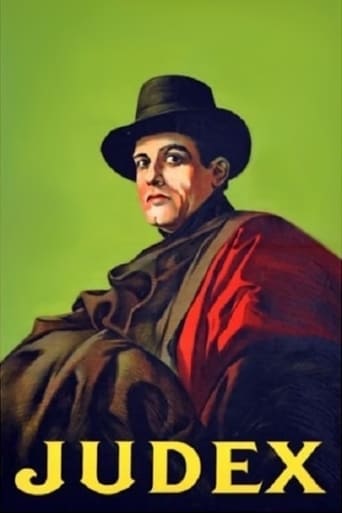
- Judex (1916)
- The Perils of Pauline (1914)
- American film serials of the 1930s-40s
- James Bond series
- La Femme Nikita (1990)
- The Bourne series
- Atomic Blonde (2017)
- Black Widow (2021)
- Red Sparrow (2018)
Film Restoration
Protéa is partially preserved with some sequences surviving in various film archives. Like many films from the early 1910s, complete prints are rare, and some footage may be lost. The surviving elements are held by several institutions including the Cinémathèque Française and other European film archives. Restoration efforts have been undertaken to preserve what remains of the film, though the complete original version may no longer exist. The film's historical significance has ensured that surviving fragments have been carefully preserved and occasionally screened at special retrospectives and silent film festivals. Some sequences may exist only in truncated form or in lower-quality duplicates. The preservation status reflects the broader challenges of maintaining early cinema, where nitrate film degradation and loss has affected many productions from this period.
Where to Watch
- Cinémathèque Française archives (special screenings)
- European film archives and museums
- Silent film festivals and retrospectives
- Academic film studies collections
- Specialized classic cinema streaming platforms (if available)
- Film foundation screenings and events
- Museum of Modern Art film department (NYC)
- British Film Institute archives
- UCLA Film & Television Archive
- Giornate del Cinema Muto (Pordenone Silent Film Festival)