
Josette Andriot
Actor
Born: August 23, 1886 in Paris, France Died: May 13, 1942 Active: 1911-1914 Birth Name: Camille Joséphine Alexandrine Andriot
Films
3 films
About Josette Andriot
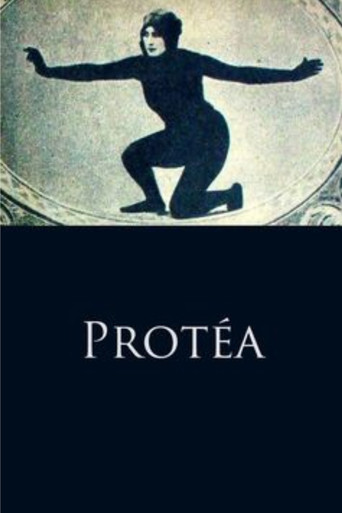
Made significant contributions to early cinema through her role as Protéa. Born Camille Joséphine Alexandrine Andriot in Paris, she began her film career around 1911 with the Éclair film company. Her most notable achievement was portraying the character Protéa in a series of spy films directed by Victorin-Hippolyte Jasset, starting with 'Protéa' in 1913. This role was revolutionary as it featured one of cinema's first female action heroes, a secret agent who used her intelligence, physical prowess, and resourcefulness to outwit her enemies. The Protéa films were incredibly popular and established Andriot as one of France's early film stars. Her career was relatively brief, spanning roughly from 1911 to 1914, during which she appeared in numerous short films and serials. After the outbreak of World War I and the death of her mentor Jasset in 1913, her film career gradually diminished. Despite her short time in the spotlight, Andriot's portrayal of Protéa on cinema history, predating and influencing later female action characters.
The Craft
On Screen
Andriot's acting style was characteristic of the silent era, emphasizing physical expression and dynamic movement. As Protéa, she showcased remarkable athleticism and versatility, performing her own stunts and action sequences. Her portrayal combined elements of mystery, intelligence, and physical prowess, creating a complex female protagonist who was both glamorous and capable. She used exaggerated gestures and facial expressions typical of silent film acting, but brought a natural energy and charisma that made her character believable as a secret agent and adventurer.
Milestones
- First actress to portray Protéa, cinema's first female action hero (1913)
- Star of the popular Protéa spy film series
- figure in early French cinema
- Collaboration with director Victorin-Hippolyte Jasset
- Leading actress for Éclair film company
Best Known For
Iconic Roles
Must-See Films
Accolades
Special Recognition
- Recognized as a figure in feminist cinema history
- Honored in French film retrospectives for her role as Protéa
Working Relationships
Worked Often With
Studios
Why They Matter
Impact on Culture
Josette Andriot's portrayal of Protéa was groundbreaking for its time, presenting one of cinema's first female action heroes who was intelligent, capable, and independent. The Protéa films challenged gender norms of the early 20th century by featuring a woman who could outsmart and physically overcome male adversaries. These films were enormously popular across Europe and influenced the development of the spy genre and action hero archetypes. Andriot's work demonstrated that female protagonists could carry action films and attract audiences, paving the way for future generations of female action stars. The character of Protéa has been studied by film scholars as an early example of feminist representation in cinema.
Lasting Legacy
Josette Andriot's legacy lies in her revolutionary portrayal of Protéa, which established her as a pioneer in cinema history. While her name may not be widely recognized today, film historians and scholars acknowledge her significant contribution to early cinema and the representation of women on screen. The Protéa series has been the subject of academic study and retrospectives, highlighting its importance in the development of the action and spy genres. Her work has been rediscovered and celebrated in recent decades as part of the reevaluation of women's roles in early film history. Andriot represents the often-overlooked contributions of women to the foundation of cinema, particularly in creating archetypes that would influence filmmaking for decades to come.
Who They Inspired
Andriot's portrayal of Protéa influenced the development of female action characters in cinema, though this influence was often indirect and unrecognized for many years. The character's blend of intelligence, physical capability, and independence set a template that would be echoed in later action heroines. Her work demonstrated the commercial viability of female-led action films, encouraging other filmmakers to create similar characters. Modern film scholars and feminist critics have cited Andriot's work as an important precursor to contemporary action heroines, and her performances have been studied for their groundbreaking approach to gender representation in early cinema.
Off Screen
Josette Andriot was born into a working-class family in Paris and entered the film industry during its formative years. She worked closely with director Victorin-Hippolyte Jasset, who discovered her talent and created the Protéa character specifically for her. After her film career ended, she largely disappeared from public life. Little is known about her later years, but she remained in France until her death in 1942 during the German occupation of Paris. Her legacy was largely forgotten for decades until film historians rediscovered the significance of her work in the late 20th century.
Education
Limited information available; likely received basic education typical of working-class Parisian families of the era
Family
- Information not available
Did You Know?
- Protéa was one of cinema's first female action heroes, predating characters like Mata Hari by several years
- The Protéa films were so popular that they spawned a series of sequels
- Andriot performed many of her own stunts in the Protéa films
- Victorin-Hippolyte Jasset created the Protéa character specifically for Andriot
- The Protéa series was distributed internationally, making Andriot one of the first French actresses with international recognition
- Her career was cut short by World War I and the death of her mentor Jasset in 1913
- The character's name was inspired by the sea god Proteus from Greek mythology, known for his ability to change form
- Andriot's real first name was Camille, but she used Josette professionally
- The Protéa films featured elaborate special effects and location shooting for their time
- Film historians consider the Protéa series an important precursor to the modern spy genre
In Their Own Words
No documented famous quotes from Josette Andriot survive from the silent era
Frequently Asked Questions
Who was Josette Andriot?
French actress of the silent era best known for portraying Protéa, one of cinema's first female action heroes. She worked primarily with the Éclair film company and director Victorin-Hippolyte Jasset during the early 1910s.
What films is Josette Andriot best known for?
Titles linked here include Protéa (1913), Bandits En Automobile - Episode 1: The Gray Car Gang (1912).
When was Josette Andriot born and when did she die?
Born August 23, 1886; died May 13, 1942.
What awards did Josette Andriot win?
Josette Andriot did not receive formal awards during her lifetime, as the film industry's award systems had not yet been established. However, she has been posthumously recognized by film historians as a figure in early cinema.
What was Josette Andriot's acting style?
Her acting style was typical of the silent era, emphasizing physical expression and dynamic movement. As Protéa, she showcased remarkable athleticism and performed her own stunts, creating a believable and capable female action hero through physical performance and expressive gestures.