Films
4 films
About Henri Gouget
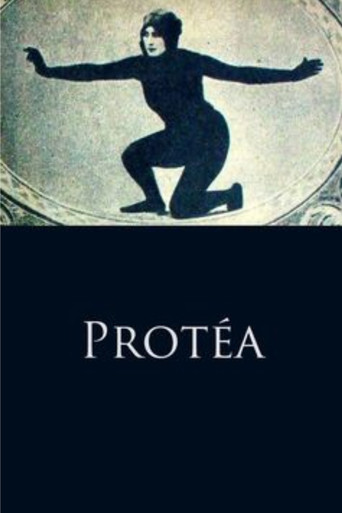
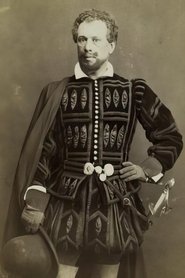
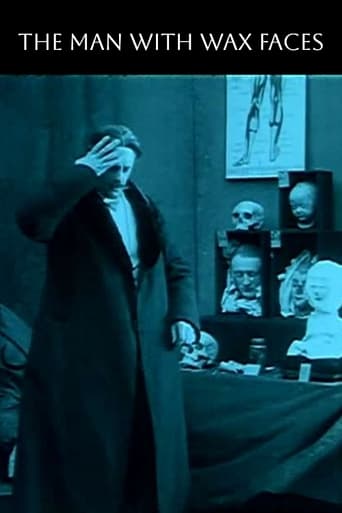
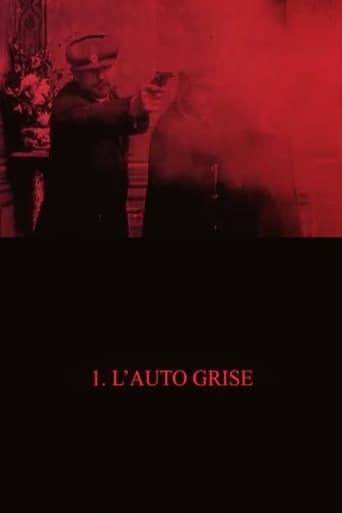
French actor who worked during the years of cinema, appearing in several notable silent films between 1912 and 1914. His brief but significant film career coincided with the rapid development of French cinema as an art form, working during what many consider the golden age of French silent film production. Gouget appeared in 'Bandits En Automobile - Episode 1: The Gray Car Gang' in 1912, which was part of the popular crime serial genre that captivated early cinema audiences. His most notable work came in 1913 with 'Protéa,' a film serial directed by Victorin-Hippolyte Jasset that featured one of cinema's first female action heroes. In 1914, he appeared in 'The Man with Wax Faces' (L'Homme aux figures de cire), a mysterious thriller that showcased the sophisticated storytelling techniques emerging in French cinema. Gouget's career, like many actors of his generation, was likely interrupted by the outbreak of World War I, which dramatically affected European film production. Though his filmography was brief, his contributions to these early French productions represent an important part of cinema's foundational history.
The Craft
On Screen
As an actor in the early 1910s, Henri Gouget would have employed the theatrical, exaggerated style typical of silent film performers of the era, using broad gestures and facial expressions to convey emotion and character to audiences without the benefit of synchronized sound. His performances would have been influenced by stage acting traditions while adapting to the new medium of cinema, requiring actors to learn techniques specific to film acting. In crime serials like 'Bandits En Automobile,' he likely portrayed either criminal elements or law enforcement characters with clear visual storytelling to help audiences follow complex plotlines across multiple episodes.
Milestones
- Appeared in the groundbreaking serial 'Protéa' (1913)
- Worked with director Victorin-Hippolyte Jasset
- Participated in early French crime serials
- Contributed to the development of silent film acting techniques
Best Known For
Iconic Roles
Must-See Films
Working Relationships
Worked Often With
Studios
Why They Matter
Impact on Culture
Henri Gouget contributed to the foundational development of French cinema during its most creative and innovative period. His work in 'Protéa' (1913) was particularly significant as this film serial featured one of cinema's first female action heroes, predating more famous characters like Fantômas and helping establish the crime serial genre that would become immensely popular in both France and internationally. The films he appeared in represent important milestones in the evolution of cinematic storytelling, from simple chase films to complex narratives with recurring characters across multiple episodes. Though not a star, actors like Gouget were essential in building the visual language of cinema and demonstrating how stories could be told effectively through moving images.
Lasting Legacy
Henri Gouget's legacy lies in his contribution to the era of French cinema, particularly in the development of the crime serial genre. The films he appeared in, especially 'Protéa,' are studied by film historians as important examples of early narrative cinema and the emergence of strong female protagonists in film. While his individual performances may not be widely remembered today, his work represents the collective effort of countless early film actors who helped establish cinema as a legitimate art form. These early French productions influenced filmmakers worldwide and set precedents for genre filmmaking that continue to this day.
Who They Inspired
As a supporting actor in early French cinema, Henri Gouget's direct influence on later performers is difficult to trace, but his work contributed to the development of acting techniques specific to the silent film medium. The films he participated in, particularly the serial format of 'Protéa,' influenced countless later filmmakers in their approach to creating ongoing narrative series and complex crime stories. The visual storytelling methods employed in these early French productions helped establish conventions that would be adopted and adapted by filmmakers across Europe and eventually in Hollywood.
Off Screen
Very little is documented about Henri Gouget's personal life, which was common for character actors of the early silent era who were not major stars. Like many actors of his generation, he likely came from a theatrical background before transitioning to the new medium of cinema. His brief film career ending in 1914 suggests it may have been interrupted by World War I, which profoundly affected the European film industry and led many actors to serve in the military.
Did You Know?
- Henri Gouget's entire known filmography spans only three years (1912-1914), typical of many actors whose careers were interrupted by World War I
- 'Protéa' (1913), one of his most notable films, featured one of cinema's first female action heroes and was directed by filmmaker Victorin-Hippolyte Jasset
- The crime serial genre he worked in was extremely popular in early French cinema and influenced later American serials
- Early French actors like Gouget often had to adapt their theatrical acting styles for the new medium of film, learning to work with cameras rather than theater audiences
- The Éclair studio, where he likely worked, was one of France's major early film production companies
- Very little biographical information survives about many early French film actors like Gouget, as they were not considered celebrities in the modern sense
- The films he appeared in were made during what many consider the peak of French cinematic innovation before World War I
Frequently Asked Questions
Who was Henri Gouget?
French with credits in this catalog. He contributed to the development of early French cinema, particularly in the crime serial genre, before his career was likely interrupted by World War I.
What films is Henri Gouget best known for?
Titles linked here include Protéa (1913), Bandits En Automobile - Episode 1: The Gray Car Gang (1912).
When was Henri Gouget active in film?
Henri Gouget was active as an actor from 1912 to 1914, working during what many consider the golden age of French silent film production before the outbreak of World War I.
What was Henri Gouget's acting style?
Like most actors of the early 1910s, Henri Gouget employed the theatrical, exaggerated style typical of silent film performers, using broad gestures and facial expressions to convey emotion in the absence of synchronized sound.
Why is Henri Gouget's career so brief?
Henri Gouget's film career lasted only from 1912 to 1914, likely ending due to the outbreak of World War I, which dramatically affected European film production and caused many actors to leave the industry for military service.