The Man with Wax Faces
"Spend the night among wax faces"
Keys: Space play/pause · ←/→ 10s · F fullscreen · M mute · </> speed
About this film
A man who claims immunity to fear accepts a bet to spend a night in a wax museum among uncanny figures. Edison horror-comedy tests courage against statuary that may be alive.
Cast & crew
More films like this
More Horror films
View all →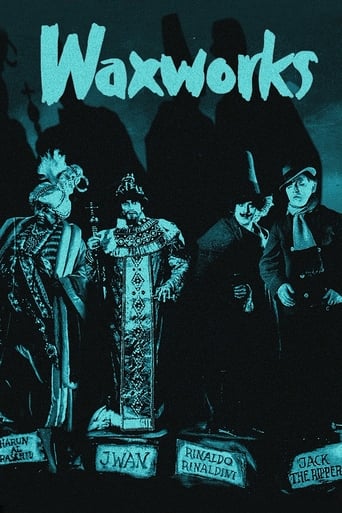

More from Maurice Tourneur
View all →
More about this film
About the production
Release date1914
ProductionÉclair
Filmed inParis, France
This was one of Maurice Tourneur's early French productions before he moved to the United States. The film utilized innovative techniques for creating atmospheric horror through lighting and set design, particularly in the wax museum scenes where shadows and reflections were used to create a sense of unease.
Themes
Fear and fearlessnessMortalityThe uncannyPsychological horrorReality vs. illusion
Themes & topics
wax museumchallengefearbetpsychological testnighthauntingeffigies
Historical background
The Man with Wax Faces (1914) belongs to Edison's bid to retain relevance with sensational one-reelers.
Why this film matters
Wax-museum chillers anticipate later horror anthologies from Mysteries of Wax to House of Wax.
Making of
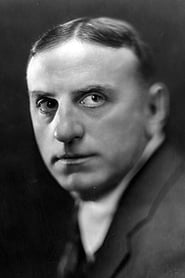
The production took place during a pivotal moment in cinema history when filmmakers were transitioning from simple theatrical recordings to more sophisticated visual storytelling. Maurice Tourneur, who had a background in painting and theater, brought an artistic sensibility to the film's visual composition. The wax figures were likely created by professional wax artists of the period, possibly sourced from actual wax museums. The filming would have used natural lighting or early studio lighting techniques, with the horror atmosphere created through careful manipulation of shadows and camera angles. The cast, led by Henry Roussel, would have relied on exaggerated gestures and facial expressions typical of silent film acting to convey the psychological horror.
What critics said
Exhibitors marketed fear stunts; survival status makes it a rare Edison genre piece.
Did you know?
- the production is considered one of the earliest examples of wax museum horror, predating the more famous American wax horror films by nearly two decades
- Maurice Tourneur was known for his artistic approach to filmmaking, bringing a painter's eye to his compositions
- The film was made during the early days of World War I, which may have influenced its themes of fear and mortality
- Wax museums were popular attractions in early 20th century Europe, making them a familiar and unsettling setting for audiences
- Tourneur would later become among the leading respected directors in Hollywood, known for films like 'The Last of the Mohicans' (1920)
- The film's survival status is uncertain, as many French films from this period were lost due to the fragility of early film stock and wartime destruction
- The horror elements were achieved primarily through visual techniques rather than special effects, as was typical of the period
Visual style
The film likely employed the visual techniques characteristic of Tourneur's early work, including careful composition, use of shadows, and innovative camera angles. The cinematography would have emphasized the uncanny nature of the wax figures through lighting that made them appear lifelike and threatening. The dark, confined spaces of the wax museum setting would have been used to create claustrophobia and tension, a technique that would become standard in horror cinema.
Innovations
The film demonstrated early techniques for creating horror atmosphere through visual means, including the use of shadows, reflections, and strategic lighting. The creation of lifelike wax figures for the film may have involved collaboration with professional wax artists. Tourneur's camera work likely included movement and angles that were innovative for the period, contributing to the unsettling atmosphere.
Music
As a silent film, it would have been accompanied by live musical performance in theaters, typically piano or organ. The specific musical score is not documented, but horror films of this period usually used dramatic, dissonant music to enhance suspenseful moments. The accompaniment would have been improvised by the theater musician or based on published cue sheets.
Famous quotes
I have never known fear - prove it tonight in the house of wax faces
Memorable scenes
- The protagonist's first encounter with the wax figures in the dimly lit museum, where the figures seem to shift and change when he's not looking directly at them
What audiences thought
Audience reactions from 1914 are not well documented, but wax museums were popular and somewhat terrifying attractions of the period, suggesting the setting would have been effective. The concept of testing one's fearlessness would have resonated with early 20th century audiences interested in psychological exploration. The film's horror elements, achieved through atmosphere and suggestion rather than explicit content, would have been appropriate for the period's audience sensibilities.
Film connections
Influenced by
- Gothic literature
- Edgar Allan Poe's tales of terror
- Early 20th century fascination with wax museums
- Theatrical horror traditions
This film influenced
- The Mystery of the Wax Museum (1933)
- House of Wax (1953)
- German Expressionist horror films of the 1920s
Film restoration
The preservation status of the production is uncertain. Many French films from this period, particularly those made during World War I, were lost due to the decomposition of early film stock, wartime destruction, or inadequate preservation methods. No known complete copies are archived in major film preservation institutions.
Where to watch
- Currently unavailable for viewing - likely a lost film