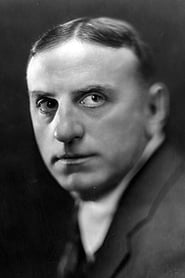
Maurice Tourneur
Actor & Director
Born: February 2, 1876 in Paris, France Died: August 4, 1961 Active: 1912-1949 Birth Name: Maurice Thomas
Films
15 films
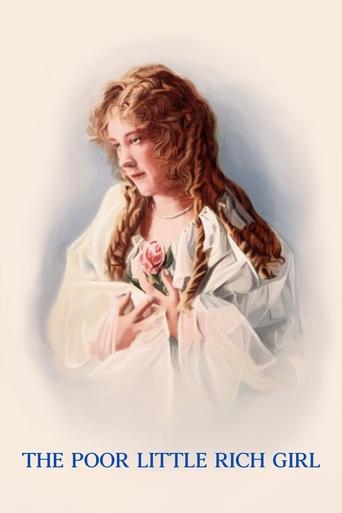
The Poor Little Rich Girl
1917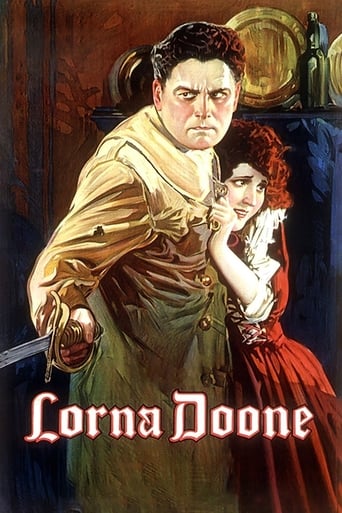
Lorna Doone
1922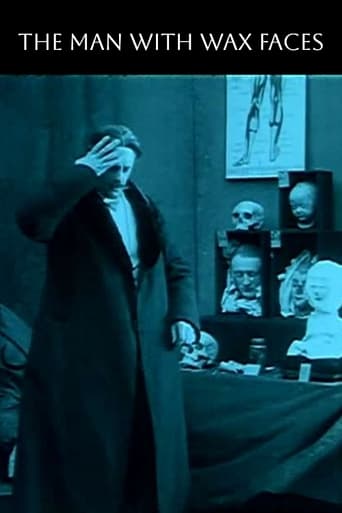
The Man with Wax Faces
1914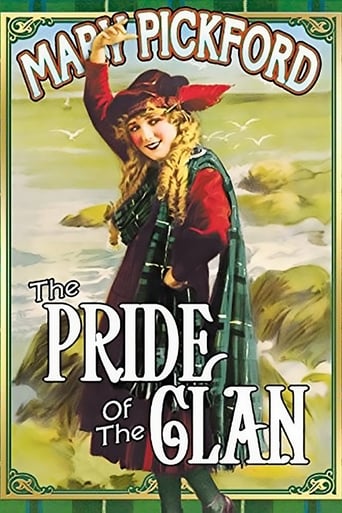
The Pride of the Clan
1917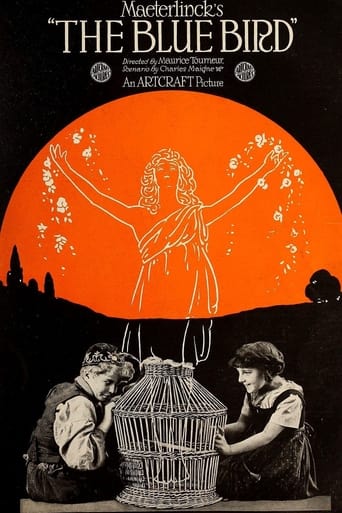
The Blue Bird
1918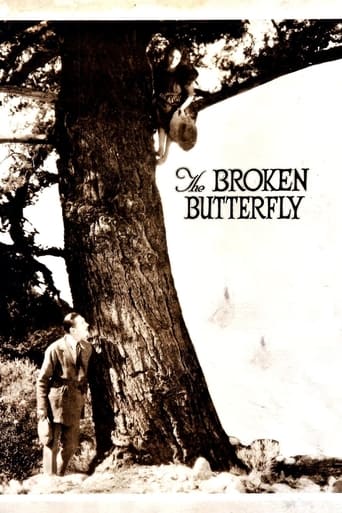
The Broken Butterfly
1919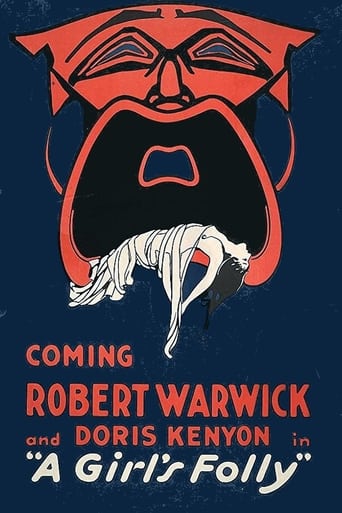
A Girl's Folly
1917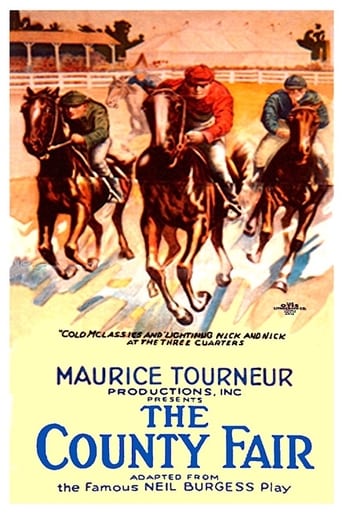
The County Fair
1920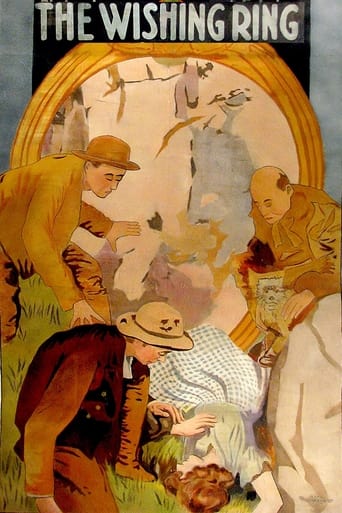
The Wishing Ring: An Idyll of Old England
1914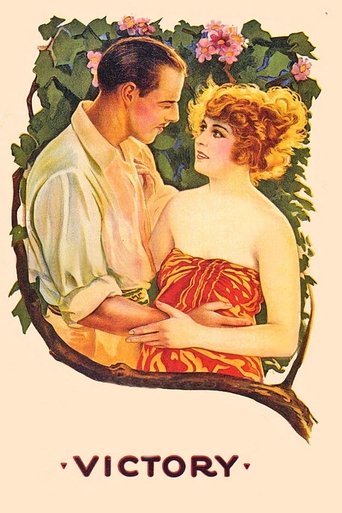
Victory
1919
The Whip
1917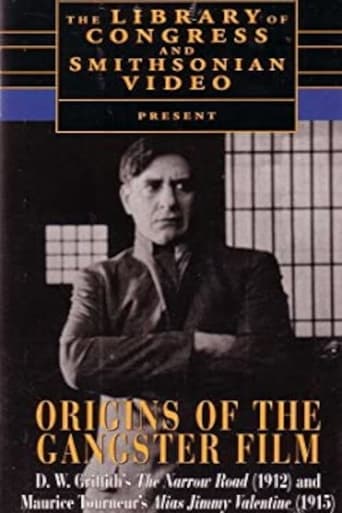
Alias Jimmy Valentine
1915
Le Friquet
1914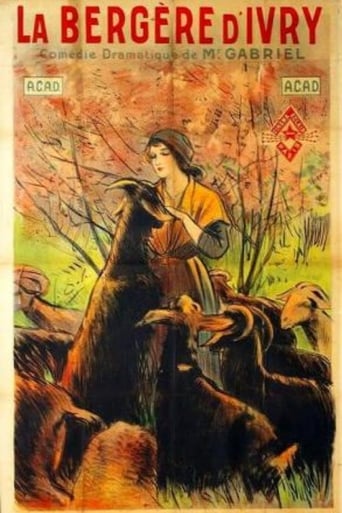
Shepherdess of Ivry
1913About Maurice Tourneur
Made significant contributions to both French and American cinema during the silent era and early sound period. Born as Maurice Thomas in Paris, he began his career as an artist and illustrator before transitioning to theater work with the André Antoine at the Théâtre Libre. Tourneur entered the film industry in 1912 working for Éclair in France, where he quickly established himself as a talented director with a distinctive visual style. In 1914, he moved to the United States and became respected directors at World Film Corporation, where he created many of his most acclaimed works. His sophisticated use of lighting, composition, and pictorial beauty elevated film beyond mere entertainment to the level of art. After returning to France in the 1920s, he continued directing successfully through the transition to sound films, though his American period is considered his most artistically significant. His son Jacques Tourneur also became a renowned director, creating a remarkable family legacy in cinema that spanned multiple decades and countries.
The Craft
Behind the Camera
Maurice Tourneur was renowned for his pictorial and artistic approach to filmmaking, characterized by sophisticated use of lighting, shadow, and composition that reflected his background as a painter. He employed innovative camera techniques and deep focus to create visually rich tableaus that elevated cinema beyond mere entertainment. Tourneur's direction emphasized visual storytelling over intertitles, using mise-en-scène and atmospheric effects to convey emotion and narrative. He was particularly skilled at creating mood and atmosphere through his careful attention to set design, lighting, and camera movement. His style combined European artistic sensibilities with American narrative efficiency, resulting in films that were both commercially successful and artistically significant.
Milestones
- Directed the influential silent film 'The Poor Little Rich Girl' (1917) starring Mary Pickford
- Created the visually stunning 'The Wishing Ring' (1914), considered
- Pioneered sophisticated lighting techniques and visual composition in silent cinema
- Successfully transitioned from French to American film industry, becoming one of the few European directors to achieve major success in Hollywood during the silent era
- Mentored his son Jacques Tourneur, who became a celebrated film noir director
- Directed over 80 films across both French and American cinema
Best Known For
Iconic Roles
Must-See Films
Accolades
Special Recognition
- Pioneer in early cinema recognized by film historians and preservation societies
- Multiple films selected for preservation by the National Film Registry
- Honored at international film festivals for contributions to cinema art
Working Relationships
Worked Often With
Studios
Why They Matter
Impact on Culture
Maurice Tourneur played a crucial role in establishing cinema as a legitimate art form during its early development. His sophisticated visual style and artistic approach helped elevate American silent films beyond mere entertainment to the level of pictorial art. Tourneur was instrumental in bringing European artistic sensibilities to American cinema, influencing the development of a more sophisticated visual language in Hollywood. His work demonstrated that film could achieve the same artistic depth as painting and theater, paving the way for future auteurs. The international nature of his career, spanning both French and American cinema, helped establish cross-cultural exchanges that would become increasingly important in global cinema. His emphasis on visual storytelling over dialogue influenced the development of the grammar of cinema itself.
Lasting Legacy
Maurice Tourneur's legacy endures through his influential body of work and the generations of filmmakers he inspired. Many of his films, particularly 'The Poor Little Rich Girl' and 'The Wishing Ring,' are considered landmarks of silent cinema for their artistic achievement and technical innovation. His use of lighting, composition, and visual storytelling techniques influenced countless directors who followed. Through his son Jacques Tourneur, his artistic vision continued into the sound era and film noir period. Film historians and preservationists continue to study and restore his work, recognizing his crucial role in cinema's artistic development. Tourneur represents an important bridge between European artistic traditions and American commercial cinema, demonstrating how these influences could merge to create something uniquely powerful.
Who They Inspired
Tourneur's influence on cinema extends far beyond his own films, affecting the visual language of cinema itself. His sophisticated use of lighting and shadow prefigured the film noir style that would emerge decades later. Directors like John Ford, Josef von Sternberg, and even Orson Welles drew inspiration from his pictorial compositions and atmospheric effects. His emphasis on visual storytelling over dialogue influenced the development of cinematic grammar, showing how images alone could convey complex emotions and narratives. The international scope of his career demonstrated the possibilities of cross-cultural cinematic exchange, influencing later directors who worked across national boundaries. Through his son Jacques and other protégés, his influence continued into subsequent eras of filmmaking.
Off Screen
Maurice Tourneur led a cosmopolitan life that spanned France and America, reflecting the international nature of early cinema. He married actress Fernande Petit in 1904, and their son Jacques Tourneur was born in 1906, later becoming a renowned director known for film noir classics like 'Out of the Past' and 'Cat People.' After divorcing Petit, Tourneur married actress Katherine 'Kitty' Gordon, though this marriage also ended in divorce. His personal relationships often overlapped with his professional life, as he frequently worked with his spouses in his films. During World War II, Tourneur remained in occupied France and continued working, which led to some controversy after the war regarding his activities during this period. He spent his final years in Paris, where he died in 1961 at the age of 85.
Education
Trained as a painter and illustrator at the École des Beaux-Arts in Paris, studied theater under André Antoine at the Théâtre Libre
Family
- Fernande Petit (1904-1914)
- Katherine 'Kitty' Gordon (1915-1920s)
Did You Know?
- Originally trained as a painter and illustrator before entering films
- His birth name was Maurice Thomas, which he changed to Tourneur when entering theater
- Served in the French military before his film career
- Was one of the few European directors to achieve major success in Hollywood during the silent era
- His film 'The Wishing Ring' (1914) was considered lost for decades before being rediscovered
- Worked as an assistant to the legendary theater director André Antoine
- Directed both French and American versions of some of his films simultaneously
- Was known for his meticulous attention to visual detail, often spending hours setting up shots
- His son Jacques Tourneur directed the classic film noir 'Out of the Past' (1947)
- Continued directing well into the sound era, though his silent films are considered his masterpieces
In Their Own Words
The cinema is not theater with a camera; it is a new art form with its own language and possibilities.
Light is the paint of the cinematographer, and shadow is his canvas.
A film should be a poem in motion, not a photographed stage play.
The greatest challenge in cinema is to make the invisible visible through the art of images.
Frequently Asked Questions
Who was Maurice Tourneur?
French on YTB.my. Known for his sophisticated visual style and artistic approach to filmmaking, he was.
What films is Maurice Tourneur best known for?
Titles linked here include The Poor Little Rich Girl (1917), The Wishing Ring: An Idyll of Old England (1914).
When was Maurice Tourneur born and when did he die?
Born February 2, 1876; died August 4, 1961.
What awards did Maurice Tourneur win?
While Tourneur worked before the establishment of most formal film awards, he received recognition from film societies and preservation organizations for his contributions to cinema art. Several of his films have been selected for preservation by the National Film Registry, acknowledging their cultural and historical significance.
What was Maurice Tourneur's directing style?
Tourneur's directing style was characterized by sophisticated visual composition, innovative use of lighting and shadow, and pictorial beauty that reflected his background as a painter. He emphasized visual storytelling over dialogue, creating atmospheric and emotionally resonant films through careful attention to mise-en-scène and camera techniques.