

The Broken Butterfly
"canada in the silent era"
Keys: Space play/pause · ←/→ 10s · F fullscreen · M mute · </> speed
About this film
Under silent era life, a woman in Canada abused by her aunt falls in love with a foreign composer looking for inspiration, who comes to find it in her and the star-crossed romance that develops between them.
Cast & crew
More films like this
More Drama films
View all →







More from Maurice Tourneur
View all →
More about this film
About the production
Release dateMarch 30, 1919
Box officeUnknown
ProductionMaurice Tourneur Productions, Famous Players-Lasky Corporation
Filmed inCalifornia, USA, Studio locations in Los Angeles
The film was produced during the transition period when Maurice Tourneur was establishing himself as one of Hollywood's most respected directors. The Canadian wilderness setting was recreated in California, as was common practice during this era. The production utilized natural lighting techniques that Tourneur was famous for, creating atmospheric and visually striking scenes that emphasized the contrast between the harsh landscape and the tender romance.
Themes
Artistic InspirationForbidden LoveOppression and LiberationNature vs. CivilizationSacrifice for Art
Themes & topics
composerabuseCanadaromanceinspirationauntwildernessforbidden loveartnatureoppressionmusical talentstar-crossed loverssacrificetransformation
Historical background
Audiences in 1919 encountered The Broken Butterfly at a point when the silent era was reshaping what movies could say and show.
Why this film matters
The Broken Butterfly continues to attract interest because it captures a distinctive silent era approach to character and spectacle.
Making of
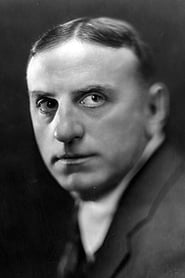
Maurice Tourneur brought his distinctive European sensibility to this American production, emphasizing visual poetry and emotional depth over melodramatic excess. The director worked closely with his cinematographer to create a visual style that contrasted the harsh, unforgiving Canadian landscape with the tender moments of romance. Tourneur was known for his meticulous preparation and often storyboarded his scenes in detail, a practice that was relatively uncommon in 1919. The casting of Pauline Starke was considered a risk at the time, as she was relatively new to leading roles, but Tourneur saw in her the perfect combination of innocence and strength needed for the character. The production faced challenges in creating convincing Canadian wilderness settings in California, requiring the construction of elaborate forest sets and the use of painted backdrops. The film's romantic scenes were shot using soft focus techniques that Tourneur had perfected, creating a dreamlike quality that emphasized the otherworldly nature of the lovers' connection.
What critics said
Later criticism frames The Broken Butterfly through restoration quality and its director or studio filmography.
Did you know?
- Director Maurice Tourneur was one of the few French directors to achieve major success in Hollywood during the silent era
- The film is now considered lost, with only fragments and production stills remaining in archives
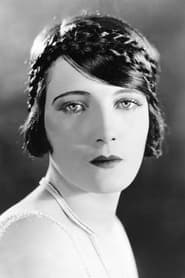
- Pauline Starke, who played the lead, was discovered by director D.W. Griffith and became especially popular actresses of the 1920s
- The story was adapted from a popular novel of the same name, though the original author's name has been lost to history
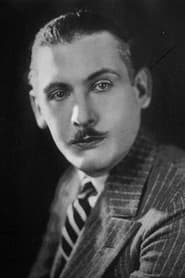
- Lew Cody, who played the composer, was known for his sophisticated roles and was a popular leading man during the silent era
- The film's title became a metaphor for the fragile nature of love and innocence, a theme that resonated with post-WWI audiences
- The production utilized innovative camera techniques for the time, including location shooting and natural lighting effects
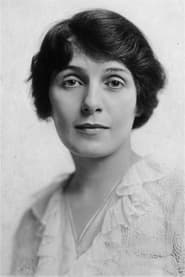
- Mary Alden, who played the abusive aunt, was known for her ability to portray villainous characters with psychological depth
- The film was one of the first to explore themes of artistic inspiration and the relationship between creativity and romance
- The movie's score, composed for theatrical accompaniment, featured original themes that were meant to represent the composer's work in the story
Awards & recognition
- No major awards documented from 1919
Visual style
The cinematography of The Broken Butterfly was considered innovative for its time, featuring Maurice Tourneur's signature use of natural lighting and atmospheric effects. The film employed location shooting techniques that were still relatively uncommon in 1919, creating a sense of authenticity in the wilderness scenes that contrasted with the more stylized studio work of many contemporary productions. The cinematographer utilized soft focus and special filters to create dreamlike sequences during the romantic moments, while using harsher, more realistic lighting for scenes of conflict and oppression. The visual style emphasized the contrast between the freedom of nature and the confinement of domestic life, using wide shots of landscapes and intimate close-ups of the actors to reinforce these thematic oppositions. The film's visual vocabulary included carefully composed tableaus that drew inspiration from classical painting, a technique Tourneur had perfected in his earlier European work.
Innovations
The Broken Butterfly featured several technical innovations for its time, including advanced location filming techniques and sophisticated lighting effects that created mood and atmosphere. Maurice Tourneur employed camera movement and composition techniques that were ahead of their contemporaries, using visual storytelling to convey emotional and narrative information without relying on intertitles. The film's production design included elaborate sets that convincingly recreated the Canadian wilderness, demonstrating the increasing sophistication of studio craftsmanship in the late 1910s. The movie also experimented with special effects to create dream sequences and artistic visions, using double exposure and in-camera tricks to represent the composer's creative process. The film's editing style was notable for its rhythmic pacing and the way it balanced intimate character moments with broader landscape sequences, creating a visual rhythm that enhanced the storytelling.
Music
As a silent film, The Broken Butterfly would have been accompanied by live musical performance during its theatrical run. The original score was composed to reflect the film's dual themes of artistic creation and romantic passion, with musical motifs representing the composer's developing masterpiece and the lovers' growing attachment. Theaters received cue sheets with suggested musical selections, including classical pieces that would have been familiar to 1919 audiences and original compositions created specifically for the film's most dramatic moments. The music was designed to enhance the emotional impact of key scenes, particularly the sequences where the composer finds inspiration in Jeannette and their moments of romantic revelation. The soundtrack would have varied in quality and interpretation depending on the resources of individual theaters, ranging from simple piano accompaniment in smaller venues to full orchestral arrangements in first-run theaters.
Famous quotes
In your eyes, I see the music I have been searching for all my life
Love is the greatest composition of all, and we are merely its instruments
The butterfly may be broken, but its beauty remains eternal
In this wilderness of stone and ice, I have found the warmest heart in all the world
Memorable scenes
- The composer's first encounter with Jeannette as she sings in the forest, her voice echoing through the trees and capturing his artistic imagination
- The climactic scene where Jeannette defies her aunt to meet the composer, their silhouettes framed against the setting sun as they declare their love
- The moment when the composer plays his finished composition for Jeannette, revealing how she has become his muse and his masterpiece
- The final farewell scene where the lovers part, with the broken butterfly metaphor visually represented through delicate camera work and lighting
What audiences thought
Audiences in 1919 responded positively to The Broken Butterfly, particularly appreciating its romantic storyline and the chemistry between the leads. The film tapped into the post-war desire for stories about love, redemption, and artistic passion, with many viewers relating to the themes of finding beauty and meaning in difficult circumstances. Contemporary audience reports indicate that the film's emotional climax was particularly powerful, with many viewers reportedly moved to tears by the tragic elements of the story. The movie's success helped solidify Pauline Starke's status as a rising star and demonstrated the commercial viability of sophisticated romantic dramas that balanced artistic ambition with popular appeal. The film's reception varied by region, with urban audiences generally more appreciative of its artistic qualities, while rural viewers connected more strongly with the natural setting and themes of oppression and liberation.
Film connections
Influenced by
- European romantic literature
- Pre-Raphaelite paintings
- 19th century romantic operas
- French poetic realism
- D.W. Griffith's narrative techniques
This film influenced
- Later romantic dramas of the 1920s
- Films about artistic creation
- Movies featuring oppressed female protagonists
- Works exploring nature vs. civilization themes
Film restoration
The Broken Butterfly is currently considered a lost film, with no complete copies known to exist in any film archive or private collection. Only fragments, production stills, and promotional materials survive, primarily held in the Margaret Herrick Library and other film history archives. The film was likely lost due to the nitrate decomposition that affected many silent era films, combined with the common practice of film studios destroying prints after their theatrical runs ended. Some reports suggest that fragments may exist in European archives, as Tourneur's work was often preserved more carefully in his native France. The loss of this film represents a significant gap in the documentation of Maurice Tourneur's American period and the evolution of romantic drama in the late silent era.
Where to watch
- No complete viewing options available due to lost status
- Fragments and stills may be viewed at the Margaret Herrick Library
- Academic institutions with film history archives may have access to surviving materials
- Some production stills and promotional materials occasionally appear in film history exhibitions