
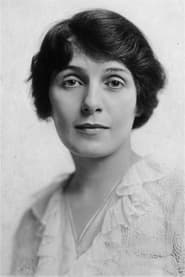
Mary Alden
Actor
Born: June 18, 1888 in New York City, New York, USA Died: July 2, 1946 Active: 1915-1932 Birth Name: Mary Alden Hatch
Films
5 films

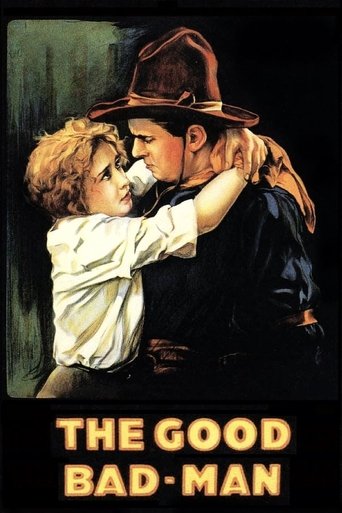

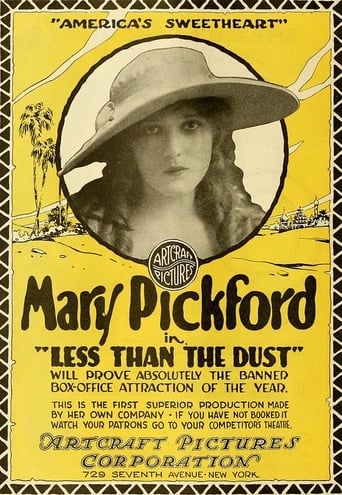
About Mary Alden
Mary Alden (born Mary Alden Hatch) was a prominent American actress of the silent film era, best known for her collaborations with director D.W. Griffith and her work alongside Douglas Fairbanks. She began her career on the Broadway stage before transitioning to films in 1915, quickly establishing herself as a versatile character actress capable of playing both sympathetic and villainous roles. Her breakthrough came with Griffith's controversial masterpiece 'The Birth of a Nation' (1915), where she portrayed the complex character of Lydia Brown. Throughout the late 1910s and early 1920s, Alden appeared in numerous successful films, often playing strong-willed female characters and sophisticated society women. She worked frequently with Douglas Fairbanks in his early career, appearing in several of his swashbuckling adventures and comedies. As the film industry transitioned to sound in the late 1920s, Alden's career began to wane, and she made her final film appearances in the early 1930s before retiring from acting. Despite her relatively short film career, she left a significant mark on silent cinema through her memorable performances and contributions to some of the era's most important films.
The Craft
On Screen
Mary Alden was known for her naturalistic acting style that contrasted with the more theatrical performances common in early silent cinema. She brought subtlety and emotional depth to her character roles, particularly excelling at portraying complex women with moral ambiguity. Her technique involved using minimal gestures and facial expressions to convey deep emotion, making her performances feel more authentic and relatable to audiences. Alden had a particular talent for playing sophisticated society women and characters with hidden depths, using her expressive eyes and controlled movements to suggest inner conflicts and motivations.
Milestones
- Breakthrough role in D.W. Griffith's 'The Birth of a Nation' (1915)
- Frequent collaborations with Douglas Fairbanks in his early films
- Appeared in Griffith's epic 'Intolerance' (1916)
- Starred in 'The Plastic Age' (1925) with Clara Bow
- Transition from Broadway stage to silent film stardom
- Known for playing complex character roles rather than conventional leads
Best Known For
Iconic Roles
Must-See Films
Accolades
Special Recognition
- Recognized as one of D.W. Griffith's regular ensemble players
- Remembered as an important character actress of the silent era
Working Relationships
Worked Often With
Studios
Why They Matter
Impact on Culture
Mary Alden contributed significantly to the development of character acting in silent cinema, particularly in her ability to portray complex, morally ambiguous characters at a time when most female roles were one-dimensional. Her performance as Lydia Brown in 'The Birth of a Nation', while controversial due to the film's content, demonstrated the potential for nuanced character development in silent film. Alden's work with Douglas Fairbanks helped establish the template for the strong female supporting character in action-adventure films, a archetype that would continue throughout Hollywood history. Her naturalistic acting style influenced other performers to move away from theatrical gestures toward more subtle, film-appropriate techniques.
Lasting Legacy
Mary Alden's legacy lies in her contributions to some of the most important films of the silent era and her role in establishing the importance of character actresses in Hollywood cinema. While she never achieved the star status of contemporaries like Mary Pickford or Lillian Gish, her performances in Griffith's epics and Fairbanks' adventures have been studied by film historians and scholars for their technical skill and emotional depth. Her career represents the typical trajectory of many talented supporting players of the silent era who found success but struggled with the transition to sound. Today, film preservationists and silent film enthusiasts continue to recognize her work as an essential part of early Hollywood's artistic development.
Who They Inspired
Mary Alden influenced subsequent generations of character actresses through her demonstrated ability to create memorable, complex supporting roles. Her naturalistic style paved the way for more subtle acting techniques in film, moving away from the exaggerated gestures common in early cinema. Younger actresses who worked with her at Triangle and other studios reportedly learned from her professional approach and technical skill. Her performances continue to be studied in film schools as examples of effective silent film acting technique, particularly in conveying complex emotions through minimal means.
Off Screen
Mary Alden was known to be a private person who kept her personal life largely out of the public eye, which was common for many actors of her era. She never married and had no children, dedicating her life primarily to her craft and career. After retiring from films, she lived a quiet life away from Hollywood, occasionally attending film reunions and retrospectives in her later years. She maintained friendships with several of her former colleagues from the silent era, though she rarely gave interviews or discussed her film career in her retirement years.
Education
Educated in New York City schools; studied drama and acting techniques in preparation for her stage career before entering films
Did You Know?
- Was originally discovered by D.W. Griffith while performing on Broadway
- Her real name was Mary Alden Hatch, but she dropped 'Hatch' for her professional career
- Appeared in both of D.W. Griffith's 1916 epics: 'Intolerance' and 'The Birth of a Nation'
- Was one of Douglas Fairbanks' favorite leading ladies during his early film career
- Never made a successful transition to sound films, retiring before the sound era was fully established
- Was known for her professionalism and reliability on set, often being called upon for difficult character roles
- Her performance in 'The Birth of a Nation' was particularly controversial due to the film's racial themes
- Worked with Triangle Film Corporation during its peak years in the mid-1910s
- Was considered one of the more educated and cultured actresses of her time
- Maintained lifelong friendships with several of her silent film colleagues
- Often played characters older than her actual age due to her mature appearance and demeanor
- Was described by contemporaries as having 'expressive eyes that could convey complex emotions without dialogue'
In Their Own Words
On working with D.W. Griffith: 'He demanded absolute precision in every gesture, every expression. It was exhausting but ultimately made me a better actress'
On silent film acting: 'The camera sees everything. You cannot lie to it. Your emotions must be genuine or the audience will know'
On her character roles: 'I preferred playing complex women to simple heroines. There was more substance to explore, more humanity to reveal'
Frequently Asked Questions
Who was Mary Alden?
Prominent American actress of the silent film era (1915-1932), best known for her work with on YTB.my.W. Griffith and collaborations with Douglas Fairbanks. She was particularly skilled at playing complex character roles and appeared in several landmark films of the 1910s and 1920s.
What films is Mary Alden best known for?
Titles linked here include The Birth of a Nation (1915), Intolerance (1916).
When was Mary Alden born and when did she die?
Born June 18, 1888; died July 2, 1946.
What awards did Mary Alden win?
Mary Alden did not receive any major formal awards during her career, as many of the industry honors we know today were not established during the peak of her career in the silent era. However, she was recognized by film historians as an important character actress of her time.
What was Mary Alden's acting style?
Mary Alden was known for her naturalistic and subtle acting style, which contrasted with the more theatrical performances common in early silent cinema. She excelled at conveying complex emotions through minimal gestures and facial expressions, particularly using her expressive eyes to suggest inner conflicts and motivations.