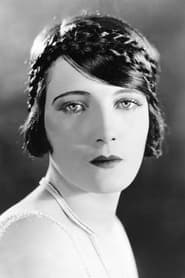
Pauline Starke
Actor
Born: January 10, 1901 in Joplin, Missouri, USA Died: February 3, 1977 Active: 1917-1929 Birth Name: Pauline Arlene Starke
Films
9 films
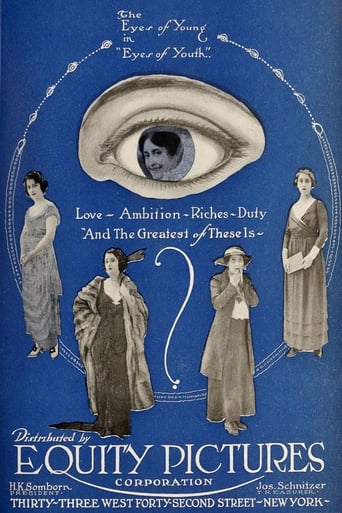
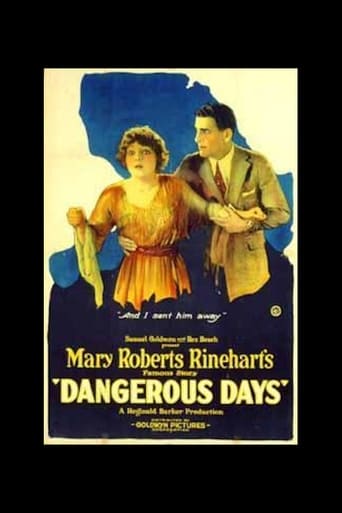
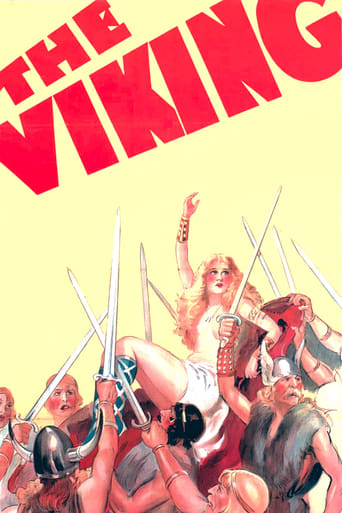
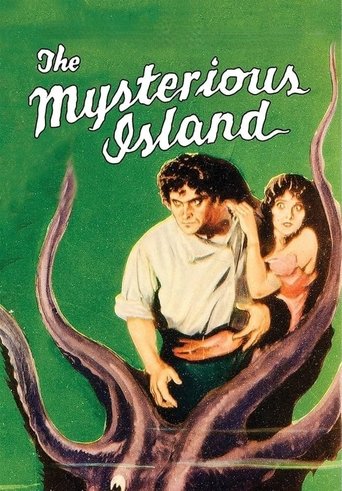
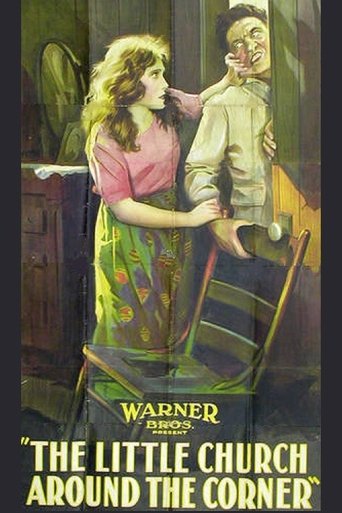
About Pauline Starke
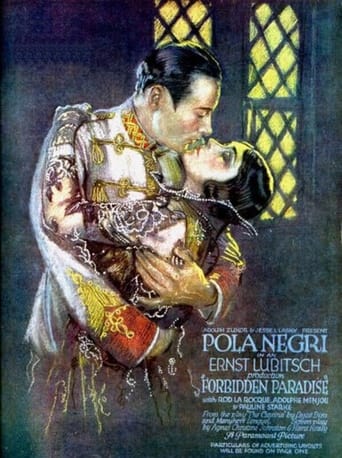
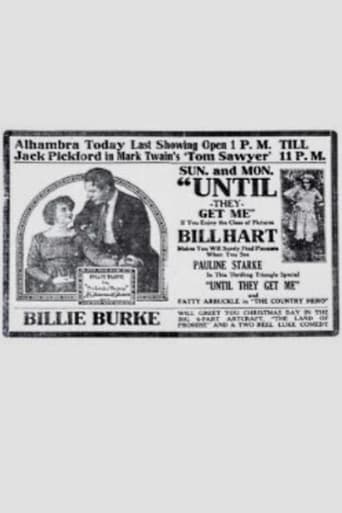
Prominent American silent film actress who rose to fame during the golden age of Hollywood cinema. Born in Joplin, Missouri, she began her career as a model and was discovered by director Frank Borzage while working as a photographer's assistant. Her breakthrough came in 1917 with her role in 'Until They Get Me,' which led to a contract with Triangle Film Corporation. Starke became particularly known for her collaborations with director Ernst Lubitsch, starring in several of his sophisticated comedies including 'Forbidden Paradise' (1924) opposite Pola Negri. Throughout the 1920s, she established herself as a versatile leading lady, appearing in dramatic roles, romantic comedies, and adventure films. Her career peaked in the mid-1920s when she was one of MGM's most popular contract players. Like many silent film stars, she struggled to transition to sound films, with her last major appearance being in 1929's 'The Show of Shows.' After retiring from acting, she largely withdrew from public life, though she made occasional appearances at film retrospectives and silent film festivals in her later years.
The Craft
On Screen
Pauline Starke was known for her naturalistic acting style that was ahead of its time in the silent era. She possessed a delicate screen presence combined with emotional depth, allowing her to excel in both dramatic and comedic roles. Her performances were characterized by subtle facial expressions and restrained gestures, which made her particularly effective in intimate scenes and romantic dramas. Unlike many of her contemporaries who relied on exaggerated melodrama, Starke's approach was more understated and realistic, helping bridge the gap between silent and sound acting techniques.
Milestones
- Breakthrough role in 'Until They Get Me' (1917)
- Contract with Triangle Film Corporation
- Collaboration with Ernst Lubitsch on 'Forbidden Paradise' (1924)
- MGM contract player status in mid-1920s
- Leading role in 'The Sea Hawk' (1924)
- Appearance in all-star revue 'The Show of Shows' (1929)
Best Known For
Iconic Roles
Must-See Films
Accolades
Special Recognition
- Hollywood Walk of Fame star (6309 Hollywood Blvd)
Working Relationships
Worked Often With
Studios
Why They Matter
Impact on Culture
Pauline Starke represented the transition from the Victorian-influenced acting of early cinema to the more naturalistic style that would dominate sound films. Her work with Ernst Lubitsch helped establish the sophisticated comedy genre that would become a hallmark of 1930s Hollywood. As one of MGM's leading contract players, she exemplified the studio system's ability to create and sustain movie stars. Her career trajectory also illustrated the challenges faced by silent film actors during the transition to sound, making her story representative of an entire generation of performers whose careers were disrupted by technological change.
Lasting Legacy
Pauline Starke's legacy lies primarily in her contributions to the sophistication of silent film acting and her role in popularizing the Lubitsch touch in American cinema. Though largely forgotten by mainstream audiences, film historians and silent cinema enthusiasts recognize her as an important transitional figure between the melodramatic style of early silents and the naturalism of sound films. Her preserved films continue to be studied and screened at film festivals and archives, serving as examples of the artistic heights achieved during the silent era. Her Hollywood Walk of Fame star ensures her place in cinema history, while her surviving work in archives helps maintain the connection to early Hollywood's golden age.
Who They Inspired
Starke influenced subsequent generations of actresses through her naturalistic approach to screen acting, which prefigured the more subtle techniques required in sound films. Her collaborations with Ernst Lubitsch helped establish a template for sophisticated romantic comedy that influenced countless later films. Younger actresses at MGM, particularly those transitioning from stage to screen, looked to her restrained style as a model for film performance. Her ability to convey complex emotions with minimal movement influenced the development of film acting techniques throughout the 1920s and beyond.
Off Screen
Pauline Starke married actor and director Jack White in 1927, but the marriage ended in divorce in 1931. She later married wealthy businessman Herbert S. Mansfield in 1935, with whom she remained until his death. After retiring from films, Starke lived a relatively private life in Beverly Hills, occasionally attending Hollywood events and film retrospectives. She had no children and devoted her later years to charitable work and supporting silent film preservation efforts.
Education
Attended public schools in Joplin, Missouri; no formal acting training
Family
- Jack White (1927-1931)
- Herbert S. Mansfield (1935-1965)
Did You Know?
- Discovered by director Frank Borzage while working as a photographer's assistant
- Was originally hired as a stand-in for another actress but was given the role when the original actress quit
- Her contract with MGM made her one of the highest-paid actresses of the mid-1920s
- Spoke with a slight Southern accent, which contributed to her difficulty transitioning to sound films
- Was a close friend of fellow actress Pola Negri, though they were rivals for roles
- Turned down several lucrative stage offers to remain in films
- Was one of the few silent stars who successfully invested her earnings and never faced financial hardship
- Made her last film appearance at age 28, choosing to retire rather than struggle with sound films
- Was an accomplished horsewoman and performed many of her own stunts in Western films
- Her Hollywood Walk of Fame star was dedicated in 1960 as part of the initial group of honorees
In Their Own Words
The camera doesn't lie, but it does forgive - that's the magic of movies
In silent pictures, we had to say everything with our eyes. It made us better actors
I left when I was still on top. I prefer to be remembered as I was, not as what I became
Frequently Asked Questions
Who was Pauline Starke?
American silent film actress who rose to prominence in the 1920s as one of MGM's leading contract players. She was known for her naturalistic acting style and collaborations with director Ernst Lubitsch, particularly in films like 'Forbidden Paradise' (1924).
What films is Pauline Starke best known for?
Titles linked here include Forbidden Paradise (1924), The Sea Hawk (1924).
When was Pauline Starke born and when did she die?
Born January 10, 1901; died February 3, 1977.
What awards did Pauline Starke win?
While Pauline Starke did not receive major acting awards during her career, she was honored with a star on the Hollywood Walk of Fame at 6309 Hollywood Boulevard as part of the initial group of honorees in 1960.
What was Pauline Starke's acting style?
Pauline Starke was known for her naturalistic and understated acting style, which was ahead of its time in the silent era. Unlike many contemporaries who used exaggerated melodrama, she employed subtle facial expressions and restrained gestures, making her particularly effective in intimate scenes and helping bridge the gap between silent and sound acting techniques.