Films
1 film
About Édouard Pinto
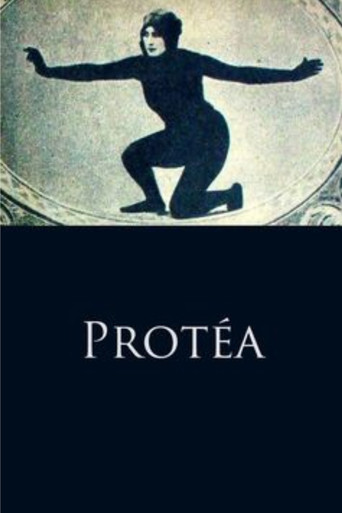
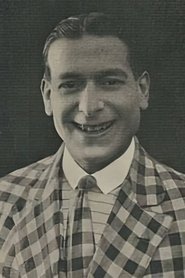
French actor who worked during the era of silent cinema in the early 1910s. His known film career consists of a single appearance in the 1913 French serial film 'Protéa', which was one of the earliest films to feature a female detective as the protagonist. The film was directed by Victorin-Hippolyte Jasset and starred Josette Andriot in the title role. Pinto's participation in this production places him among the early actors who helped establish the foundations of French cinema during its formative years. His brief appearance in 'Protéa' represents his only known contribution to film history, making him a representative figure of the many actors who participated in early cinema but whose careers were short-lived or undocumented. The fact that he was cast in such an innovative film suggests he was part of Jasset's regular acting company at Éclair, one of France's major early film studios.
The Craft
Milestones
- Appeared in 'Protéa' (1913), one of the first films featuring a female detective protagonist
- Part of Victorin-Hippolyte Jasset's acting company at Éclair Studios
Best Known For
Must-See Films
Working Relationships
Worked Often With
Studios
Why They Matter
Impact on Culture
Édouard Pinto's contribution to cinema, while minimal in scope, is significant in the context of early French film history. His participation in 'Protéa' places him within the innovative circle of filmmakers at Éclair Studios who were pushing the boundaries of cinematic storytelling in the early 1910s. The film itself was for featuring a female detective protagonist, making it an important milestone in the development of the crime genre and women's representation in cinema. Pinto represents the countless supporting actors who were essential to the production of early films but whose names have largely been lost to history, highlighting the collaborative nature of early cinema and the many unsung contributors to the art form's development.
Lasting Legacy
Édouard Pinto's legacy is primarily that of a representative figure from the earliest days of French cinema, illustrating how many actors participated in films but left little trace in historical records. His single known film credit in 'Protéa' connects him to. While his individual contribution may seem minor, he is part of the foundation upon which French cinema was built, representing the working actors who brought early film narratives to life during cinema's formative years.
Who They Inspired
Due to the brief nature of his known career, Édouard Pinto's direct influence on other actors or filmmakers is difficult to trace. However, his participation in early French cinema contributes to the broader understanding of how the film industry developed in France during the silent era. The work of actors like Pinto in early productions helped establish acting conventions and techniques that would influence subsequent generations of performers in French and international cinema.
Off Screen
Very little is known about Édouard Pinto's personal life, which is typical for many actors from the early silent era who had brief or minor careers in film.
Did You Know?
- Appeared in only one known film throughout his career
- Worked during the period of French cinema
- Participated in one of the earliest films to feature a female detective
- Was part of Victorin-Hippolyte Jasset's regular acting company
- His film career coincided with the rise of serial films in France
- Éclair Studios, where he likely worked, was one of France's major early film production companies
- The film 'Protéa' was released during a peak period of French film production before World War I
- Like many early film actors, his biographical details remain largely undocumented
Frequently Asked Questions
Who was Édouard Pinto?
Screen credits include the 1913 film 'Protéa'. His career appears to have been brief, with this being his only known film credit, making him one of the many early cinema actors whose contributions were limited but significant to the development of French film.
What film is Édouard Pinto best known for?
Édouard Pinto is known exclusively for his appearance in 'Protéa' (1913), a French silent film that featured one of cinema's earliest female detective protagonists. The film was directed by Victorin-Hippolyte Jasset and starred Josette Andriot in the title role.
When was Édouard Pinto active in cinema?
Édouard Pinto was active in cinema in 1913, appearing in 'Protéa' during what was considered a golden age of French film production before the disruptions of World War I. This places him among the actors of early French cinema.
What studio did Édouard Pinto work with?
Édouard Pinto likely worked with Éclair Studios, one of France's major early film production companies, as 'Protéa' was an Éclair production directed by Victorin-Hippolyte Jasset, who was a prominent director at the studio.