Films
4 films
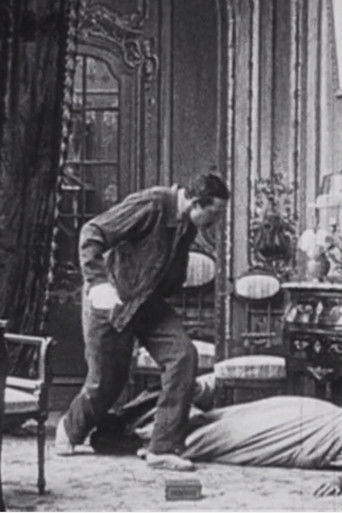
About Mévisto
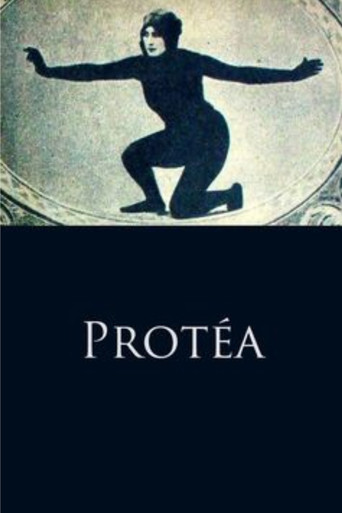
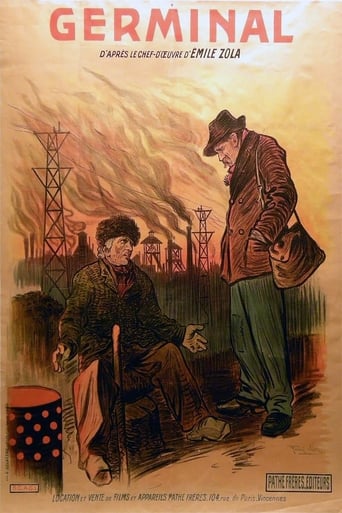
French actor who worked briefly during the early silent film era, appearing in three notable French productions between 1913 and 1914. His career coincided with a pivotal period in French cinema just before World War I would dramatically alter the European film landscape. Mévisto appeared in 'Protéa' (1913), which was significant as one of the first French film series featuring a female protagonist in an action role. He also starred in 'Germinal' (1913), an adaptation of Émile Zola's celebrated novel about coal miners in northern France, representing the literary adaptation trend of early French cinema. His final known film appearance was in 'The Reign of Terror' (1914), a historical drama set during the French Revolution period. Like many actors of this era, Mévisto's career was cut short by the outbreak of World War I, which disrupted film production across Europe and ended many artistic careers. His brief filmography represents the transition from theatrical acting styles to the emerging cinematic language of the silent era.
The Craft
On Screen
Like most actors of the early silent period, Mévisto likely employed exaggerated gestures and facial expressions typical of stage acting transitioning to cinema. His performances would have emphasized physical expressiveness to convey emotion without dialogue, following the conventions of French theatrical tradition adapted for the camera.
Milestones
- Appeared in 'Protéa' (1913), one of the earliest French action film series
- Starred in 'Germinal' (1913), adaptation of Zola's masterpiece
- Featured in 'The Reign of Terror' (1914), historical drama
- Worked during the golden age of early French silent cinema
Best Known For
Must-See Films
Why They Matter
Impact on Culture
Mévisto's contributions to early French cinema, while brief, represent the collective effort of actors who helped establish the foundations of cinematic storytelling. His work in adaptations like 'Germinal' helped bring important French literature to the screen, while 'Protéa' was groundbreaking for its female action hero. These films were part of France's dominance in early cinema before World War I shifted the industry's center to Hollywood.
Lasting Legacy
As a representative figure of early French silent cinema, Mévisto's legacy lies in his participation in historically significant films that showcased French cultural narratives and artistic ambition. His brief career exemplifies how many early cinema contributors have been largely forgotten despite their role in building the film industry, with their work surviving primarily through the films themselves rather than personal documentation.
Who They Inspired
Given his brief career and supporting roles, Mévisto's direct influence on other actors or filmmakers is difficult to trace. However, his work in early French adaptations contributed to the development of cinematic language that would influence subsequent generations of filmmakers in France and internationally.
Off Screen
Very little is documented about Mévisto's personal life, which is common for actors of this early period who were not major stars. Like many supporting actors of the silent era, his personal details were not extensively recorded in film publications or archives.
Did You Know?
- Mévisto's active years covered only two years, from 1913 to 1914
- He worked during the peak of French cinema's dominance before World War I
- His film 'Protéa' was one of the first to feature a female action hero
- All three of his known films were produced before the outbreak of WWI
- Like many early film actors, his real name and personal details remain unknown
- His stage name 'Mévisto' may have been inspired by the opera 'Mefistofele'
- The films he appeared in represent key genres of early French cinema: action, literary adaptation, and historical drama
- No known photographs or extensive filmographies of Mévisto survive in major archives
Frequently Asked Questions
Who was Mévisto?
French with credits in this catalog. He is known for his roles in 'Protéa' (1913), 'Germinal' (1913), and 'The Reign of Terror' (1914).
When was Mévisto active in cinema?
Mévisto had a very brief acting career, active only from 1913 to 1914. His career coincided with the peak of French silent cinema just before World War I disrupted European film production.
Why is there so little information about Mévisto?
Like many supporting actors from the early silent era, extensive personal records were not maintained. Many actors from this period were not major stars, and documentation was limited, especially for those with brief careers cut short by World War I.
What was significant about the films Mévisto appeared in?
The films represented important genres in early French cinema: 'Protéa' was groundbreaking for its female action hero, 'Germinal' was part of the trend of literary adaptations, and 'The Reign of Terror' exemplified the popular historical dramas of the period.