
Films
9 films
About Lucien Bataille
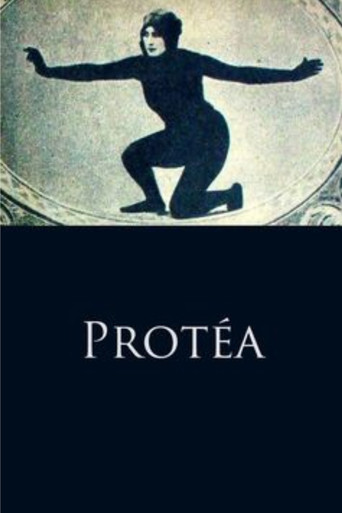
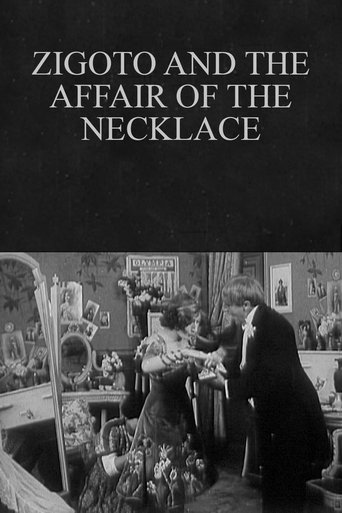
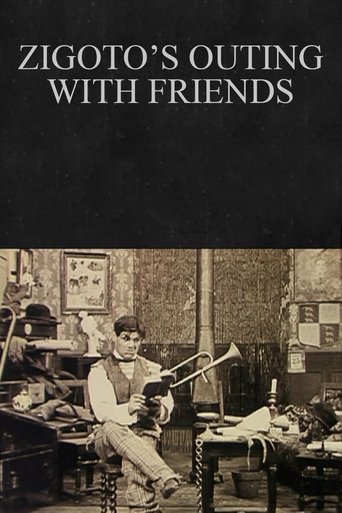
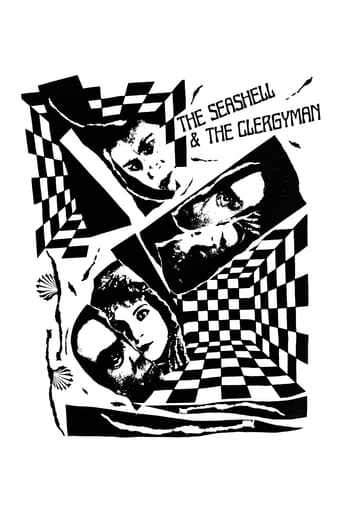
French actor who worked during the silent film era, primarily active from 1911 to 1928. He began his career appearing in the popular Zigoto comedy series in the early 1910s, which were among the first successful French comedy shorts. His early work included 'Zigoto and the Affair of the Necklace' (1911) and 'Zigoto's Outing with Friends' (1912), establishing him as a recognizable character actor in French cinema. In 1913, he appeared in 'Protéa,' one of the first French film series featuring a female action hero, demonstrating his versatility beyond comedy. Bataille's the transition from early cinematic experiments to more sophisticated narrative forms, culminating in his appearance in the surrealist masterpiece 'The Seashell and the Clergyman' (1928) directed by Germaine Dulac. This final known film role placed him at the forefront of avant-garde cinema, as the film is now considered one of the first true surrealist films in cinema history. His 17-year career encompassed the evolution of French cinema from its primitive beginnings to artistic maturity, though like many silent film actors, his career appears to have ended with the transition to sound films.
The Craft
On Screen
Bataille demonstrated versatility across different genres, from physical comedy in the Zigoto series to more nuanced performances in avant-garde and surrealist films. His early work showed the exaggerated gestures and expressive techniques typical of silent comedy, while his later roles required more subtle and psychologically complex performances suited to experimental cinema.
Milestones
- Appeared in the Zigoto comedy series (1911-1912)
- Starred in 'Protéa' (1913), early female-led action series
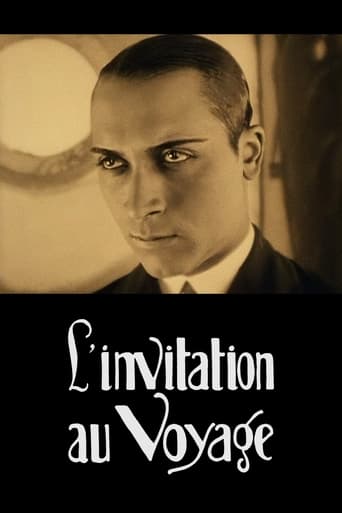
- Appeared in avant-garde film 'Invitation to a Journey' (1927)
- Featured in surrealist masterpiece 'The Seashell and the Clergyman' (1928)
Best Known For
Iconic Roles
Must-See Films
Working Relationships
Worked Often With
Studios
Why They Matter
Impact on Culture
Lucien Bataille's most significant cultural contribution comes through his participation in 'The Seashell and the Clergyman' (1928), now recognized as a landmark of surrealist cinema. This film, directed by Germaine Dulac and written by Antonin Artaud, was revolutionary in its use of dream logic and psychological symbolism, influencing generations of experimental filmmakers. His earlier work in the Zigoto series contributed to the development of comedy in French cinema, while 'Protéa' represented an early example of female-led action cinema. Though not a major star, Bataille's career trajectory mirrors the evolution of French cinema from simple entertainment to sophisticated artistic expression.
Lasting Legacy
While Lucien Bataille himself is not widely remembered as an individual star, his legacy endures through his participation in historically significant films. 'The Seashell and the Clergyman' continues to be studied in film schools and screened at cinematheques worldwide, ensuring that his performance, however small, remains part of cinema history. His work represents the transition from early French commercial cinema to the avant-garde movement that would influence international filmmaking. The preservation of these films means that future generations can still witness his contributions to the development of cinematic art.
Who They Inspired
As a supporting actor rather than a star, Lucien Bataille's direct influence on other performers is difficult to trace. However, his participation in groundbreaking films like 'The Seashell and the Clergyman' contributed to the development of surrealist cinema techniques that would later influence directors like Luis Buñuel, Salvador Dalí, and David Lynch. His work in early French comedy series helped establish patterns and techniques that would be refined by later French comedians and filmmakers.
Off Screen
Very little is documented about Lucien Bataille's personal life, which was common for many supporting actors of the silent era who were not major stars. Like many French actors of his generation, his career appears to have concluded with the transition to sound cinema in the late 1920s.
Did You Know?
- Appeared in films spanning 17 years of French cinema development
- Participated in one of the first surrealist films ever made
- Worked in both commercial comedy and avant-garde cinema
- The Zigoto series he appeared in was an early competitor to French comedy star Max Linder
- 'Protéa' (1913) featured one of cinema's first female action heroes
- 'The Seashell and the Clergyman' was controversial upon release and initially banned in some countries
- His career coincided with the transition from short films to feature-length cinema in France
- Like many silent actors, his career ended with the advent of sound technology
Frequently Asked Questions
Who was Lucien Bataille?
Lucien Bataille — credits here include The Seashell and the Clergyman (1928), Protéa (1913). Active 1911-1928.
What films is Lucien Bataille best known for?
Titles linked here include The Seashell and the Clergyman (1928), Protéa (1913).
When was Lucien Bataille born and when did he die?
Specific birth and death dates for Lucien Bataille are not documented, which was common for many supporting actors of the silent era. He was active as an actor from 1911 to 1928.
What awards did Lucien Bataille win?
There are no recorded awards or nominations for Lucien Bataille, as formal acting awards were not established during most of his career, and he was primarily a supporting character actor.
What was Lucien Bataille's acting style?
Bataille demonstrated versatility across genres, from the physical comedy and exaggerated gestures of the Zigoto series to more nuanced performances required in avant-garde and surrealist films like 'The Seashell and the Clergyman'.