

Zigoto's Outing with Friends
"the — honor"
Keys: Space play/pause · ←/→ 10s · F fullscreen · M mute · </> speed
About this film
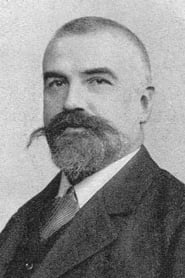
Following silent era life, the short by Jean Durand begins with his frequent character, Zigoto (Lucien Bataille) reading a boring book. So, instead he goes on an outing in his new car with his friends. The captioning says it's a new '101 horsepower car'--this, during an age when the horsepower of cars actu
Cast & crew
More Comedy films
View all →






More from Jean Durand
View all →
More about this film
About the production
Release date1912 (exact month unknown)
Box officeNot documented - box office tracking was not standardized for shorts in 1912
ProductionSociété des Etablissements L. Gaumont
Filmed inParis, France (presumed)
This was part of Jean Durand's popular Zigoto series, which consisted of numerous short comedy films starring Lucien Bataille. The film was produced during the golden age of French comedy shorts, when Gaumont was competing with Pathé for dominance in the European film market. The '101 horsepower' claim was intentionally exaggerated for comedic effect, playing on contemporary audiences' fascination with the relatively new technology of automobiles. The car used was likely a prop or modified vehicle designed to look impressive while being manageable for the comedic stunts required.
Themes
Technology and modernityThe comic consequences of ambitionFriendship and social outingsThe gap between appearance and realityUrban life and transportation
Themes & topics
Historical background
Production in 1912 placed Zigoto's Outing with Friends among silent era releases competing for attention in a rapidly expanding market.
Why this film matters
Retrospective programs include Zigoto's Outing with Friends when mapping silent era output across genres and national cinemas.
Making of
Jean Durand was known for his innovative approach to comedy and his willingness to push the boundaries of what was possible in early cinema. The Zigoto series was created as a response to the popularity of other comic characters of the era, particularly those from Pathé. Lucien Bataille, who played Zigoto, was a versatile performer who could handle both physical comedy and subtle facial expressions, which was crucial for silent film actors. The production likely involved careful planning of the car sequences, as early film equipment was bulky and difficult to maneuver for chase scenes. The exaggerated '101 horsepower' claim was probably suggested by Durand himself, who had a knack for identifying what would make contemporary audiences laugh. The film would have been shot on 35mm film, the standard of the era, and likely processed at Gaumont's facilities in Paris.
What critics said
Festival revivals have renewed discussion of Zigoto's Outing with Friends among silent era specialists.
Did you know?
- The Zigoto character was one of early French cinema's most popular comedy figures, predating Charlie Chaplin's Tramp by several years
- Jean Durand was especially prolific directors of the early 1910s, directing over 200 films during his career
- The '101 horsepower' claim in the film was particularly humorous because the most powerful production cars of 1912 typically had around 60 horsepower at most
- Gaston Modot, who appears in this film, would go on to have a long career in French cinema, starring in Jean Renoir's 'The Rules of the Game' in 1939
- The film was produced by Gaumont, one of the world's first and most important film companies, founded in 1895
- Zigoto films were known for their physical comedy and often featured elaborate stunts and special effects for the time
- The automobile was still a novelty and luxury item in 1912, making films about cars particularly appealing to audiences
- Many of Jean Durand's films have been lost, but some Zigoto shorts survive in film archives around the world
- The intertitles in French would have been essential for audiences to understand the exaggerated horsepower claim and other jokes
- Early comedy shorts like this were often shown before feature films or as part of variety programs in theaters
Visual style
The cinematography in 'Zigoto's Outing with Friends' would have been typical of French comedy shorts from 1912. The camera was likely stationary for most scenes, with careful composition to frame the physical comedy. The film was shot in black and white on 35mm stock, the industry standard of the era. Outdoor sequences with the automobile would have presented challenges for early cinematographers, requiring natural lighting and careful planning to capture the action clearly. The visual style emphasized clarity and readability of the comic action, with medium shots preferred to ensure audiences could see the performers' expressions and movements. Any special effects, such as speed-enhancing techniques for the car scenes, would have been achieved through in-camera methods rather than post-production manipulation.
Innovations
While not groundbreaking in technical terms, 'Zigoto's Outing with Friends' demonstrated competent use of early cinema technology for comedic effect. The film likely employed some form of camera movement or multiple angles during the car sequences to enhance the sense of speed and chaos. The production would have required careful coordination between the performers and camera crew to execute the physical comedy safely and effectively. The use of an automobile as a central prop and comic device represented the incorporation of contemporary technology into film narratives. Any special effects showing the car's supposed power would have been achieved through practical means, such as undercranking the camera to create the illusion of speed when projected at normal rate.
Music
As a silent film, 'Zigoto's Outing with Friends' had no synchronized soundtrack. The musical accompaniment would have been provided live in theaters, typically by a pianist or small orchestra. The music would have been selected to match the on-screen action, with lively, upbeat pieces during the comedic sequences and more subdued music for the opening reading scene. Theater musicians often used compiled cue books or improvised based on the action. Some larger theaters might have used specially compiled scores for popular comedy series like Zigoto. The absence of recorded sound meant that the comedy relied entirely on visual gags, physical performance, and intertitles for storytelling.
Famous quotes
The intertitle announcing the '101 horsepower car' - a key comedic element of the film
Memorable scenes
- The opening sequence with Zigoto struggling to stay awake while reading his book
- The reveal of the supposedly powerful '101 horsepower car'
- The chaotic journey with the car causing mayhem on the roads
- The final scene of comic disarray as Zigoto and his friends deal with the consequences of their outing
What audiences thought
The Zigoto films were quite popular with contemporary audiences in France and internationally. Audiences of the early 1910s delighted in the physical comedy and relatable situations presented in these shorts. The automobile theme would have been particularly appealing, as cars were still novel and exciting to most viewers. Theater owners regularly booked Zigoto films because they were reliable crowd-pleasers that could be programmed with other shorts or before feature presentations. The simple, visual nature of the comedy made these films accessible to international audiences, which was important for Gaumont's global distribution strategy.
Film connections
Influenced by
- Earlier French comedy shorts from Pathé and Gaumont
- Comédie Française theatrical traditions
- American comedy shorts of the era
- Physical comedy traditions from vaudeville and music hall
This film influenced
- Later Zigoto films in the series
- Other French comedy series of the 1910s
- International automobile comedies of the silent era
- Early works of Jacques Tati (who also focused on technology and modernity in comedy)
Film restoration
The preservation status of 'Zigoto's Outing with Friends' is uncertain, as many films from this era have been lost. However, some Zigoto films survive in various film archives, particularly at the Cinémathèque Française and other European archives. The film may exist in incomplete form or as a fragment. Surviving copies would likely be on 35mm film or digital transfers made from surviving prints. Gaumont's library has been relatively well-preserved compared to some other studios of the era, but losses were still significant, especially for comedy shorts which were sometimes considered disposable entertainment.
Where to watch
- This film is likely only available through specialized film archives or cinematheques
- Possible inclusion in early French cinema compilations or DVD collections
- May be accessible through academic film libraries or specialized streaming services focusing on classic cinema
- Potentially viewable at film museum screenings or silent film festivals