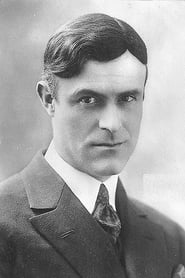
Gaston Modot
Actor
Born: December 31, 1887 in Paris, France Died: February 22, 1970 Active: 1910-1969
Films
24 films
Calino, Love Tamer
1912
Calino courtier en paratonnerres
1912No Poster
Onésime a un duel à l'américaine
1912
Onésime Loves Animals
1913
Onésime's Theatrical Debut
1913
Onesime, Clockmaker
1912
Calino's Baptism
1910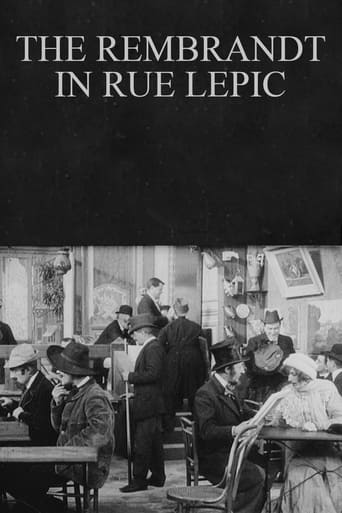
The Rembrandt in Rue Lepic
1910No Poster
The Disappearance of Onésime
1913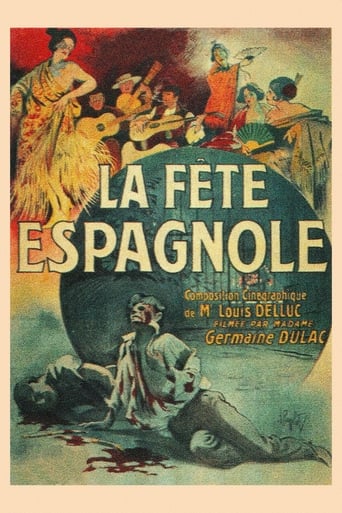
Spanish Fiesta
1920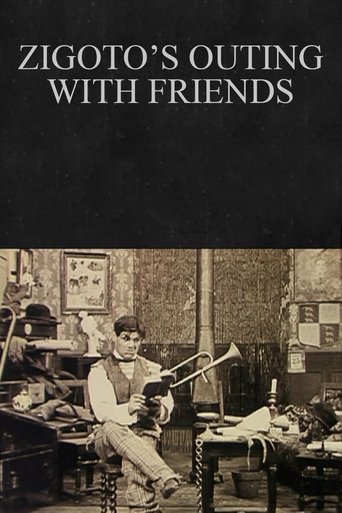
Zigoto's Outing with Friends
1912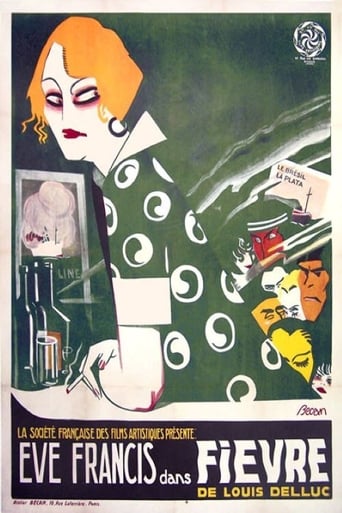
Fièvre
1921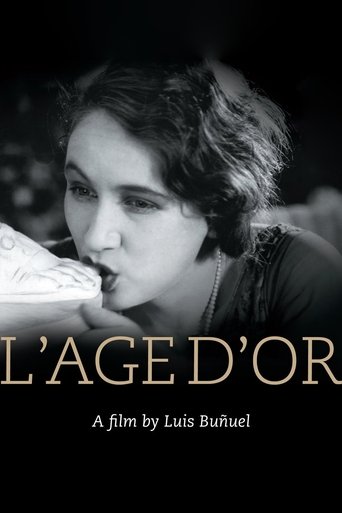
L'Âge d'or
1930
The Railway of Death
1912
Au secours !
1924
One Hundred Dollars, Dead or Alive
1911
The Torture of Silence
1917No Poster
Onésime champion de boxe
1913
Onésime et l'étudiante
1912No Poster
Onésime sur le sentier de guerre
1913
Pendaison à Jefferson City
1910
Zigoto plombier d'occasion
1912
Under the Claw: A Story of the Transvaal
1912About Gaston Modot
French actor: remarkable over five decades, from the early silent era through the French New Wave. Born in Paris in 1887, he began his film career in 1910 with the Pathé company, appearing in numerous short comedies including the popular Calino series. Modot quickly established himself as a versatile character actor, capable of both comic and dramatic roles. His career flourished during the golden age of French cinema in the 1930s, where he became a favorite of poetic realist directors. He notably collaborated with Jean Renoir on several masterpieces, including 'La Grande Illusion' and 'The Rules of the Game.' Modot's international profile rose with his role in Luis Buñuel's surrealist classic 'L'Âge d'Or' (1930), which caused considerable controversy. Despite the challenges of World War II, he continued working in French cinema, adapting to the changing political and cultural landscape. In his later years, he became a respected elder statesman of French film, appearing in works by New Wave directors and receiving recognition for his contributions to cinema until his death in 1970.
The Craft
On Screen
Modot was known for his naturalistic and understated acting style, which evolved from the exaggerated expressions of silent film to the subtle, nuanced performances of sound cinema. He possessed a remarkable ability to convey complex emotions through minimal gestures and facial expressions. His physical presence was commanding yet versatile, allowing him to portray both aristocratic gentlemen and working-class characters with equal authenticity. Modot's voice, with its distinctive Parisian accent, added depth to his characters in the sound era. He was particularly adept at playing morally ambiguous characters, bringing a sense of realism and humanity to roles that might otherwise have been one-dimensional.
Milestones
- Early career in Pathé comedies (1910-1915)
- Breakthrough role in 'L'Âge d'Or' (1930)
- Collaboration with Jean Renoir on 'La Grande Illusion' (1937)
- Memorable performance in 'The Rules of the Game' (1939)
- Post-war success in poetic realist films
- Recognition as a grand elder of French cinema in the 1960s
Best Known For
Iconic Roles
Must-See Films
Accolades
Won
- Honorary César Award (posthumous, 1987)
- Legion of Honour (Chevalier)
Nominated
- Best Supporting Actor nominations from various French film societies
Special Recognition
- Commander of the Order of Arts and Letters
- Named one of the greatest French actors of the 20th century by French cinema institutions
Working Relationships
Worked Often With
Studios
Why They Matter
Impact on Culture
Gaston Modot played a significant role in the development of French cinema, bridging the gap between silent films and modern cinema. His work in 'L'Âge d'Or' made him an icon of surrealist cinema and artistic rebellion. Through his collaborations with Renoir, he helped define the humanist tradition in French film. Modot's ability to adapt to changing cinematic styles while maintaining artistic integrity made him a model for subsequent generations of French actors. His performances in poetic realist films contributed to defining a uniquely French cinematic aesthetic. During the Nazi occupation, his continued work in French cinema helped preserve the country's cultural identity. Later in his career, his willingness to work with New Wave directors demonstrated his openness to artistic innovation and helped bridge generations in French cinema.
Lasting Legacy
Gaston Modot's legacy endures as. His filmography, spanning over 200 films, serves as a chronicle of French cinema's evolution from its infancy through the New Wave. He is remembered for his artistic integrity and ability to bring depth to every role, regardless of its size. Modot's performances continue to be studied in film schools as examples of nuanced character acting. The posthumous honors he received reflect the high esteem in which he is held by the French film industry. His collaborations with legendary directors have ensured that his work remains accessible to new generations of film enthusiasts. Modot is often cited as an example of an actor who successfully navigated the transition from silent to sound cinema while maintaining artistic credibility.
Who They Inspired
Modot influenced generations of French actors through his naturalistic acting style and professional dedication. His work in poetic realism helped establish a template for French character acting that influenced actors like Jean Gabin and Michel Simon. Younger actors admired his ability to maintain relevance across different cinematic movements. His collaborations with New Wave directors showed established actors how to work with emerging talent. Modot's approach to character development, emphasizing psychological depth over theatricality, became increasingly influential as cinema evolved. His international work, particularly with Buñuel, demonstrated how French actors could succeed in global art cinema.
Off Screen
Gaston Modot led a relatively private personal life, maintaining a separation between his public persona and private affairs. He married fellow actress Francine Mussey in 1930, and their marriage lasted until her death in 1964. The couple had no children. Modot was known for his intellectual pursuits outside of acting, including literature and politics. He was politically engaged, leaning left-wing, which occasionally affected his career during the German occupation of France. Despite his fame, he remained humble and approachable, often described by colleagues as a gentleman of the old school. In his later years, he suffered from declining health but continued to work as long as possible, demonstrating his dedication to his craft.
Education
Limited formal education; primarily trained through practical experience in early French cinema and theater
Family
- Francine Mussey (1930-1964)
Did You Know?
- Was one of the few actors to work in both silent and New Wave French cinema
- His role in 'L'Âge d'Or' caused the film to be banned for nearly 50 years
- Served in World War I, which temporarily interrupted his early career
- Was a close friend of director Jean Renoir for over 30 years
- Spoke multiple languages, which helped him in international productions
- Turned down several Hollywood offers to remain in France
- Was an accomplished painter in his private life
- Survived a serious car accident in the 1950s that nearly ended his career
- Was one of the first French actors to join the actors' union
- His final film appearance was in 1969, just a year before his death
In Their Own Words
The camera doesn't lie, but it doesn't tell the whole truth either
In cinema, as in life, the most important thing is to remain human
Working with Renoir was like attending a masterclass in humanity
Silent films taught us that emotion needs no words
The New Wave directors taught me old dogs can learn new tricks
Frequently Asked Questions
Who was Gaston Modot?
French actor whose active years covered from the silent era through the French New Wave, appearing in over 200 films and working with legendary on YTB.my.
What films is Gaston Modot best known for?
Titles linked here include L'Âge d'Or (1930), La Grande Illusion (1937).
When was Gaston Modot born and when did he die?
Born December 31, 1887; died February 22, 1970.
What awards did Gaston Modot win?
Modot received posthumous recognition including an Honorary César Award in 1987, was named a Chevalier of the Legion of Honour, and was recognized as a Commander of the Order of Arts and Letters.
What was Gaston Modot's acting style?
Modot was known for his naturalistic, understated acting style that evolved from silent film expressionism to subtle realism in sound films, with an ability to convey complex emotions through minimal gestures.
Did Gaston Modot work internationally?
Yes, Modot gained international recognition through his work with Spanish director Luis Buñuel on 'L'Âge d'Or' and participated in several European co-productions throughout his career.
How did Gaston Modot influence French cinema?
Modot influenced French cinema by bridging silent and sound eras, helping define poetic realism, collaborating with multiple generations of directors, and demonstrating artistic integrity throughout political and cultural changes.