

Keys: Space play/pause · ←/→ 10s · F fullscreen · M mute · </> speed
Plot
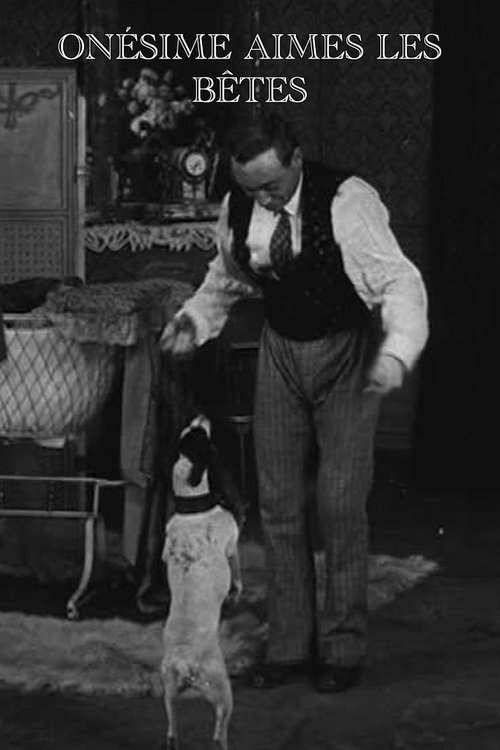
In this delightful French comedy, the eccentric character Onésime is tasked with house-sitting for his aunt and uncle while they are away. Being an avid animal lover with a heart of gold, Onésime cannot resist transforming the quiet household into a chaotic veterinary hospital for every sick and injured creature he encounters. The house soon fills with an assortment of animals - from dogs and cats to more exotic creatures - each receiving Onésime's peculiar but well-intentioned medical care. As the situation spirals into hilarious mayhem, Onésime must desperately try to restore order before his relatives return home. The film culminates in a frantic race against time as Onésime attempts to hide evidence of his animal sanctuary while dealing with the increasingly complicated medical needs of his furry patients.
Director
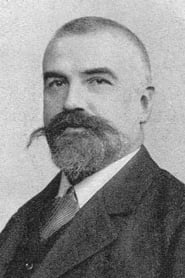 Jean Durand
About the Production
Release Date 1913-03-21
Production Gaumont
Filmed In Paris, France
This film was part of the popular Onésime series produced by Gaumont, one of France's earliest and most successful film studios. The production utilized the studio's facilities in Paris, taking advantage of their growing expertise in comedy filmmaking. Director Jean Durand was known for his innovative approach to physical comedy and his ability to work with animals on set, which was particularly challenging in the silent era when training methods were less sophisticated.
More Comedy Films
View all →






More from Jean Durand
View all →
Themes & Topics
Historical Background
1913 was a pivotal year in cinema history, representing both the peak of the silent era's first golden age and the eve of World War I, which would dramatically reshape European film production. France was still the world's leading film producer, with companies like Gaumont and Pathé dominating the global market. The year saw the emergence of more sophisticated narrative techniques and the development of character-based comedy series. This period also witnessed the rise of feature-length films, though shorts like 'Onésime Loves Animals' remained popular. The film was created during a time of rapid technological advancement in cinema, with improvements in lighting, camera mobility, and film stock allowing for more complex visual storytelling. The pre-war optimism and relative peace of 1913 is reflected in the film's lighthearted tone and innocent humor, which would soon give way to the darker themes that characterized post-war cinema.
Why This Film Matters
'Onésime Loves Animals' represents an important milestone in the development of character-based comedy in French cinema. The Onésime series, created by Jean Durand and starring Ernest Bourbon, was among the first successful recurring character franchises in film history, predating many similar series in other countries. The film reflects the growing urbanization of early 20th century France and the changing relationship between humans and animals in modern society. Its focus on animal welfare was relatively progressive for its time, anticipating later concerns about animal rights and humane treatment. The series helped establish Gaumont as a major force in global comedy production and influenced subsequent comedy filmmakers both in France and internationally. The physical comedy style developed in these films would later influence comedy greats including Charlie Chaplin and Buster Keaton, who acknowledged the French comedy tradition's impact on their work.
Making Of
The making of 'Onésime Loves Animals' presented unique challenges for director Jean Durand and his team. Working with live animals in 1913 required considerable patience and ingenuity, as modern animal training techniques had not yet been developed. Ernest Bourbon, who played Onésime, had to develop a special rapport with his animal co-stars, often spending hours between takes to keep them calm and cooperative. The film was shot on Gaumont's studio sets in Paris, which had to be modified to accommodate the various animal enclosures and veterinary props. Durand was known for his hands-on directing style and would often personally demonstrate the physical comedy routines to his actors. The production team had to work quickly to film before the animals became tired or uncooperative, leading to long shooting days. The film's success led to several more Onésime adventures featuring animals, cementing the character's reputation as a friend to all creatures.
What Critics Said
Contemporary critics praised 'Onésime Loves Animals' for its inventive humor and Ernest Bourbon's charming performance. French film journals of the era noted the film's clever use of animals and its sophisticated comedic timing. The trade press highlighted Gaumont's continued excellence in producing quality comedy shorts. Modern film historians view the Onésime series as an important example of early French comedy craftsmanship, noting Jean Durand's innovative approach to visual gags and physical comedy. Critics today appreciate the film's historical significance as a representative work of the pre-war French comedy tradition, though some note that its humor may seem dated to modern audiences. The film is often cited in scholarly works about early cinema as an example of how character series helped establish narrative continuity in early film.
Did You Know?
- This was one of over 30 films in the Onésime series, which ran from 1912 to 1914
- Ernest Bourbon's character Onésime was one of France's earliest recurring comedy characters, predating even Charlie Chaplin's Tramp
- Director Jean Durand was known as 'the French Mack Sennett' for his innovative comedy techniques
- The film features real animals, which was particularly challenging for 1913 productions
- Onésime was known for his distinctive appearance, including his tall hat and exaggerated mustache
- The Gaumont studio was one of the few early film companies that systematically developed character series
- This film was released just months before the Lumière brothers sold their company, marking the end of cinema's pioneering era
- Jean Durand often used his own pets in his films, including in this Onésime installment
- The film's title in French was 'Onésime aime les animaux'
- Gaston Modot, who appears in this film, would later become a prominent actor in French poetic realist films of the 1930s
More film details Visual style, music, quotes, restoration, and more
Visual Style
The cinematography in 'Onésime Loves Animals' reflects the technical capabilities and artistic sensibilities of 1913 French cinema. Shot on 35mm film using hand-cranked cameras, the film employs static shots typical of the period but with careful composition to accommodate the physical comedy and animal action. The lighting was likely natural or simple studio lighting, designed to clearly illuminate the comedic set pieces. The camera work focuses on capturing the full range of motion in the physical gags, with medium shots allowing viewers to see both Onésime's reactions and the animals' behaviors. The film uses the Gaumont studio's sophisticated sets to create the illusion of a real household transformed into a veterinary hospital. The cinematography successfully balances clarity of action with visual interest, helping audiences follow the increasingly chaotic scenarios.
Innovations
While 'Onésime Loves Animals' does not feature groundbreaking technical innovations, it demonstrates the sophisticated filmmaking techniques that Gaumont had developed by 1913. The film showcases advanced editing techniques for its time, including effective use of continuity editing to maintain narrative flow across different spaces within the house. The production's ability to coordinate multiple animals and actors in complex scenes represents a significant organizational achievement. The film makes effective use of props and set design to create visual humor, demonstrating the growing sophistication of production design in early cinema. The successful integration of live action with animal performance required considerable technical skill in timing and coordination. The film also exemplifies the refined understanding of comic timing and pacing that French filmmakers had developed by this period.
Music
As a silent film, 'Onésime Loves Animals' would have been accompanied by live musical performance during its theatrical run. The typical accompaniment would have been provided by a house pianist or small orchestra in larger theaters. The music would have been selected to match the on-screen action, with lively, upbeat melodies during the comic sequences and more dramatic or sentimental pieces during the moments involving animal care. The score likely included popular French songs of the era and classical pieces arranged for comedic effect. The tempo and volume of the music would have been synchronized with the film's pacing, enhancing the physical comedy and emotional moments. Some theaters might have used specially compiled cue sheets for Gaumont comedies, ensuring consistent musical accompaniment across different venues.
Famous Quotes
(As a silent film, dialogue was conveyed through intertitles and physical expression)
Memorable Scenes
- The climactic sequence where Onésime attempts to hide dozens of animals throughout the house moments before his aunt and uncle's expected return, featuring frantic scrambling, creative hiding places, and near-misses with discovery
What Audiences Thought
The Onésime films were extremely popular with French audiences in the early 1910s, and 'Onésime Loves Animals' was no exception. Theater owners reported strong attendance for the short, with audiences particularly enjoying the sight gags involving the various animals. The character of Onésime developed a devoted following, with viewers anticipating each new installment in the series. The film's animal theme resonated with urban audiences who were experiencing changing relationships with animals due to modernization. Contemporary audience feedback, preserved in theater trade publications, indicates that viewers found the film both hilarious and heartwarming. The success of this and other Onésime films helped establish Ernest Bourbon as one of France's first true movie stars, with fans recognizing him on the streets of Paris.
Film Connections
Influenced By
- Georges Méliès' fantasy films
- French theatrical comedy traditions
- Max Linder comedies
- Commedia dell'arte character archetypes
This Film Influenced
- Later Onésime series films
- Charlie Chaplin's animal-themed comedies
- Harold Lloyd's domestic comedies
- French comedy series of the 1920s
Film Restoration
The film is preserved in the Gaumont-Pathé archives and has been restored by the Cinémathèque Française. Digital copies are available for scholarly research and occasional archival screenings. While not widely distributed, the film survives in good condition considering its age, with clear images and intact intertitles.
Where to Watch
- Available through the Cinémathèque Française archives for research purposes
- Occasionally screened at silent film festivals and special archival presentations
- Accessible through some academic film libraries and European film archives
- May be included in specialized streaming collections of early French cinema