
Ernest Bourbon
Actor
Born: 1886 in Paris, France Died: 1917 Active: 1910-1914 Birth Name: Ernest Hippolyte Bourbon
Films
15 films
No Poster
Onésime a un duel à l'américaine
1912
Onésime Loves Animals
1913
Onésime's Theatrical Debut
1913
Onesime, Clockmaker
1912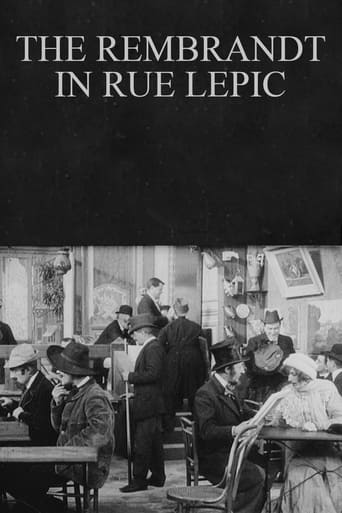
The Rembrandt in Rue Lepic
1910No Poster
The Disappearance of Onésime
1913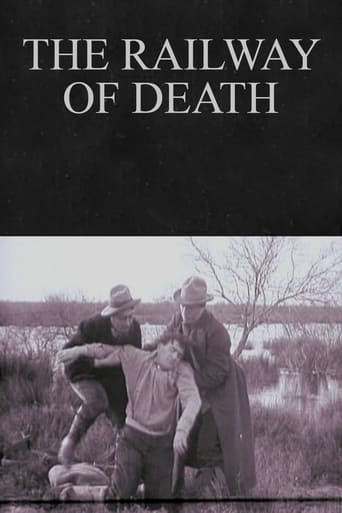
The Railway of Death
1912
Tragic Error
1913No Poster
Onésime champion de boxe
1913No Poster
Onésime, Post Office Employee
1912No Poster
Onésime est trop timide
1912
Onésime et l'étudiante
1912No Poster
Onésime sur le sentier de guerre
1913
Zigoto plombier d'occasion
1912About Ernest Bourbon
French silent film actor who rose to prominence during the early years of cinema, particularly known for his work with Pathé and Gaumont studios. He became most famous for creating and portraying the character Onésime, a comedic figure who appeared in numerous short films between 1912 and 1913. Bourbon's Onésime character was characterized by his childlike innocence, physical comedy, and elaborate predicaments, making him one of early French cinema's most recognizable comic protagonists. His career, though brief, was remarkably productive during the peak years of French film dominance before World War I. Bourbon worked extensively with director Jean Durand, who helped shape the Onésime series into a successful franchise. Despite his popularity in France, his career was cut short by the outbreak of World War I, after which he largely disappeared from the film industry. His work represents an important chapter in the development of cinematic comedy and the star system in early French cinema.
The Craft
On Screen
Bourbon specialized in physical comedy and slapstick, employing exaggerated gestures and facial expressions characteristic of early silent film performance. His acting style emphasized childlike innocence and naivety, with the Onésime character often finding himself in absurd situations through misunderstanding or simple-mindedness. Bourbon's comedy relied heavily on visual gags, props, and elaborate sight gags rather than dialogue, making his work accessible to international audiences. His performances were marked by a gentle, almost whimsical quality that him from more aggressive comic styles of the era.
Milestones
- Creation of the Onésime character (1912)
- Star of the successful Onésime comedy series
- Work with director Jean Durand
- Leading comic actor for Pathé and Gaumont studios
- One of France's most popular silent film comedians of the early 1910s
Best Known For
Iconic Roles
Must-See Films
Accolades
Special Recognition
- Recognized as a figure in French silent comedy cinema
Working Relationships
Worked Often With
Studios
Why They Matter
Impact on Culture
Ernest Bourbon's Onésime character represented an important archetype in early French comedy cinema, embodying the innocent buffoon who navigates a world of adult complexity with childlike logic. The character's popularity helped establish the pattern of recurring comic protagonists in French cinema, paving the way for later comic stars like Max Linder and Charlot (Chaplin's French name). Bourbon's work contributed to the international dominance of French cinema in the pre-WWI period, with his films being exported and shown worldwide. The Onésime series demonstrated the commercial viability of character-based comedy series, influencing production strategies at major studios.
Lasting Legacy
Ernest Bourbon's legacy lives on primarily through film history books and silent film archives, where the Onésime series is studied as an example of early French comedy innovation. Though his career was brief and his life cut short, he represents the generation of actors who helped establish the language of cinematic comedy. Film historians recognize his contribution to developing the recurring character format that would become standard in comedy cinema. His work with Jean Durand is frequently cited as an important example of director-actor collaboration in early cinema. The surviving Onésime films serve as valuable artifacts of French popular culture from the early 1910s.
Who They Inspired
Bourbon's Onésime character influenced the development of comic archetypes in both French and international cinema, demonstrating the appeal of the innocent protagonist in complex situations. His physical comedy style contributed to the evolution of slapstick techniques that would be refined by later comedians. The success of the Onésime series influenced other studios and directors to create their own recurring comic characters, helping establish the star system in European cinema. While not as widely remembered as some contemporaries, his work represents an important step in the development of cinematic comedy as an art form.
Off Screen
Ernest Bourbon was born in Paris in 1886 and began his career in entertainment during the early boom years of French cinema. Like many early film actors, he likely came from a theatrical or variety show background before transitioning to the new medium of motion pictures. His life was cut tragically short when he died in 1917, likely as a result of World War I, which claimed the lives of many young French men and disrupted the French film industry. Details about his personal life, family, and relationships remain scarce due to the limited documentation of early film personalities and the upheaval of the war years.
Education
Limited information available, likely trained in theater or variety performance before entering films
Did You Know?
- The Onésime character appeared in over 20 short films between 1912-1913
- Bourbon's character was named Onésime, a French name meaning 'useful' or 'beneficial', ironically given his tendency to create chaos
- He worked primarily with director Jean Durand, who was known for his innovative comedy techniques
- The Onésime films were typically 10-15 minutes long, standard for comedy shorts of the era
- Bourbon's films were exported internationally, with versions made for both French and international markets
- His career coincided with what many consider the golden age of French cinema before World War I
- The Onésime character often featured elaborate costumes and props, showcasing the production values of Pathé and Gaumont
- Bourbon was one of the first actors to achieve star status through a recurring character in French cinema
- His films often featured animals, a popular element in early comedy
- The abrupt end to his career in 1914 coincided with the outbreak of World War I, which devastated the French film industry
In Their Own Words
No documented quotes survive from Ernest Bourbon, as was common for silent film actors of his era
Frequently Asked Questions
Who was Ernest Bourbon?
French silent film with credits in this catalog.
What films is Ernest Bourbon best known for?
Titles linked here include Onésime a un duel à l'américaine (1912), Onésime, Clockmaker (1912).
When was Ernest Bourbon born and when did he die?
Born 1886; died 1917.
What awards did Ernest Bourbon win?
Ernest Bourbon did not receive formal awards during his brief career, as the film award system was not yet established in the early 1910s, though he achieved significant popularity and commercial success.
What was Ernest Bourbon's acting style?
Bourbon specialized in physical comedy and slapstick, portraying the innocent, childlike Onésime character through exaggerated gestures and visual gags, emphasizing gentle humor rather than aggressive comedy.
Why did Ernest Bourbon's career end so abruptly?
Bourbon's career ended with the outbreak of World War I in 1914, which disrupted the French film industry and likely led to his military service; he died in 1917, possibly from war-related causes.
How influential was Ernest Bourbon in early cinema?
Bourbon was influential in establishing the recurring character format in French comedy cinema, and his Onésime series helped demonstrate the commercial viability of character-based comedy series in the early film industry.