

Keys: Space play/pause · ←/→ 10s · F fullscreen · M mute · </> speed
Plot
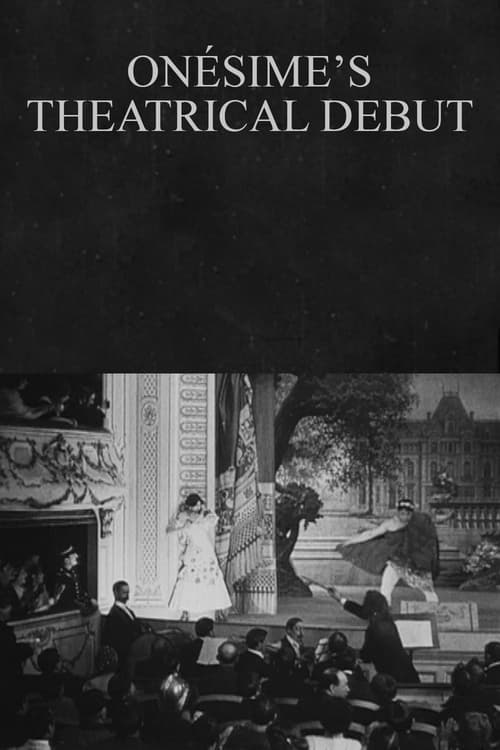
In this comedic short film, the eccentric character Onésime decides to pursue a career in opera, despite possessing a voice described as resembling that of a barrel salesman or a pulley in a well. After somehow managing to secure a theatrical debut, Onésime dramatically throws himself onto the stage and launches into an aria with complete confidence, completely oblivious to his lack of vocal talent. The audience's reaction and the subsequent chaos that ensues form the core of this slapstick comedy, which satirizes both the pretensions of high art and the delusions of untalented performers. The film builds to a climax where Onésime's catastrophic performance leads to theatrical mayhem, embodying the early cinema tradition of physical comedy and situational humor.
Director
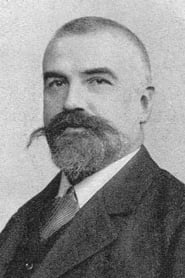 Jean Durand
About the Production
Release Date 1913
Production Gaumont
Filmed In Paris, France
This film was part of the popular Onésime series, which consisted of approximately 30-40 short comedies produced between 1912 and 1914. The series was known for its innovative slapstick gags and physical comedy routines. Jean Durand, the director, was particularly known for his dynamic camera work and creative use of props and settings. The production likely utilized Gaumont's studio facilities in Paris, which were among the most advanced film studios of the era.
More Comedy Films
View all →






More from Jean Durand
View all →
Themes & Topics
Historical Background
1913 was a pivotal year in cinema, occurring just before World War I would dramatically alter the European film landscape. French cinema, particularly Gaumont and Pathé, dominated the global market during this period, with French films being exported worldwide. The year saw significant technical innovations in filmmaking, including more sophisticated camera movements and editing techniques. The comedy genre was evolving from simple trick films to character-driven narratives, with recurring characters like Onésime becoming increasingly popular. This period also saw the rise of feature-length films, though shorts like this one remained the dominant format. The cultural atmosphere in France was one of artistic innovation and experimentation, with cinema still establishing itself as a legitimate art form rather than mere entertainment.
Why This Film Matters
The Onésime series, including this theatrical installment, represents an important milestone in the development of cinematic comedy and character-driven storytelling. These films helped establish the template for the comedy short film format that would dominate cinema through the 1920s. Onésime as a character contributed to the emerging archetype of the incompetent but lovable protagonist, a template that would influence countless future comedians and filmmakers. The film also serves as a valuable cultural artifact, preserving the theatrical and musical sensibilities of early 20th century France, including the popular perception of opera as both high art and ripe for parody. The series' international success demonstrated the universal appeal of physical comedy and helped establish French cinema's reputation for artistic innovation and humor.
Making Of
The production of 'Onésime's Theatrical Debut' took place during a particularly creative period in French cinema, when directors were experimenting with narrative techniques and comedic timing. Jean Durand, known for his meticulous approach to physical comedy, likely worked closely with Ernest Bourbon to choreograph the elaborate slapstick sequences. The theater setting would have been either constructed in Gaumont's studio or filmed in an actual Parisian theater, which was common practice for productions of this era. The sound design, while nonexistent in the technical sense (this being a silent film), would have relied on live musical accompaniment during screenings, typically a pianist or small orchestra who would interpret the mood and action of the film. The makeup and costume design for Onésime's operatic debut would have been exaggerated to enhance the comedic effect, with Bourbon likely wearing ridiculous opera attire to contrast with his terrible performance.
What Critics Said
Contemporary reviews of Onésime films were generally positive, with critics of the time praising the originality of the gags and Ernest Bourbon's physical comedy skills. French trade publications like Ciné-Journal and Le Film often highlighted the series' popularity with audiences. Modern film historians view the Onésime series as an important precursor to later silent comedy classics, noting Jean Durand's innovative direction and the series' influence on subsequent comedians. Critics particularly appreciate the series' role in developing the language of cinematic comedy, including timing, visual gags, and character development. The theatrical setting of this particular film is often cited as an example of early cinema's tendency to be self-referential and meta-textual, parodying other art forms while establishing cinema's own artistic identity.
Did You Know?
- The Onésime character was one of early cinema's first recurring comedy characters, predating Charlie Chaplin's Tramp by about a year
- Ernest Bourbon's portrayal of Onésime was influential in establishing the archetype of the bumbling, overconfident protagonist in silent comedy
- Director Jean Durand was known for his innovative use of editing and camera movement, techniques that were still experimental in 1913
- The film's title in French was 'Les débuts d'Onésime au théâtre'
- Gaumont, the production company, was one of the world's first film studios and remains active today
- The Onésime films were particularly popular in France and were also exported internationally
- Many Onésime films have been lost over time, making surviving examples particularly valuable to film historians
- The character's name 'Onésime' comes from the Greek word meaning 'useful', which is ironic given his incompetent nature
- Jean Durand was married to actress Gaston Modot, who sometimes appeared in his films
- The film was shot during the golden age of French cinema before World War I disrupted the industry
More film details Visual style, music, quotes, restoration, and more
Visual Style
The cinematography in 'Onésime's Theatrical Debut' reflects the technical standards and innovations of the 1913 French film industry. Jean Durand was known for his dynamic camera work, which likely included more movement and varied angles than was typical for the period. The film would have been shot on 35mm film using hand-cranked cameras, requiring careful coordination between the camera operator and the actors' timing. The theatrical setting would have presented interesting lighting challenges, with the cinematographer needing to balance stage lighting effects with adequate exposure for the film stock. The visual style would emphasize clarity and composition, ensuring that the physical comedy and gags were clearly visible to the audience. Durand often used medium shots to capture both the actors' expressions and their physical movements, a technique that was particularly effective for comedy films.
Innovations
While not technically groundbreaking compared to some contemporary films, 'Onésime's Theatrical Debut' demonstrated several important technical achievements of its era. The film likely utilized Gaumont's advanced studio facilities and equipment, representing the high production values achievable by 1913. The editing would have employed continuity cutting to maintain narrative coherence and comedic timing, techniques that were still being refined during this period. The film's use of theatrical sets and props showed the increasing sophistication of production design in early cinema. The synchronization of physical comedy with musical accompaniment, while not technically recorded, required precise timing during filming to ensure the gags would work with live musical performance. The film also represents the technical capability to produce regular installments of a series with consistent quality and character development.
Music
As a silent film, 'Onésime's Theatrical Debut' would have been accompanied by live music during theatrical screenings. The accompaniment typically consisted of a pianist or small orchestra who would either improvise or use cue sheets provided by the studio. Given the theatrical and operatic themes of the film, the musical accompaniment likely included parodies of famous opera arias, comically arranged to match Onésime's terrible singing. The score would have used musical cues to enhance the comedy, perhaps employing dramatic music during serious moments and playful tunes during the slapstick sequences. The contrast between the serious, classical music and the absurd visual comedy would have been a key component of the film's humor. Some theaters might have even used sound effects, such as bells or whistles, to emphasize particularly funny moments.
Famous Quotes
Onésime, who has the voice of a barrel salesman, sings like the pulley in a well
He earned what critics calls 'the estimated success'
Memorable Scenes
- The opening scene where Onésime confidently prepares for his theatrical debut, completely unaware of his lack of talent. The moment where he dramatically throws himself onto the opera stage and launches into his disastrous aria, with the camera capturing both his earnest expression and the horrified reactions of the audience. The climax where his terrible singing causes chaos in the theater, with patrons fleeing and the production descending into slapstick mayhem.
What Audiences Thought
The Onésime films were extremely popular with contemporary audiences, both in France and internationally. Moviegoers of the 1910s responded enthusiastically to the character's absurd situations and Ernest Bourbon's energetic performance. The films' success led to regular installments being produced over a two-year period. Audiences particularly enjoyed the recurring gags and the character's consistent incompetence across various scenarios. The theatrical theme of this particular installment would have resonated with working-class audiences who enjoyed seeing high art parodied and pretensions punctured. The physical comedy and visual gags transcended language barriers, contributing to the series' international appeal in an era when films were easily exported without concern for dialogue synchronization.
Film Connections
Influenced By
- Georges Méliès' theatrical fantasy films
- Early French comedy traditions
- Commedia dell'arte character archetypes
- Music hall and vaudeville performance styles
- Max Linder's comedy films
This Film Influenced
- Later Charlie Chaplin shorts
- Buster Keaton's theatrical comedies
- Harold Lloyd's performance-themed films
- The Marx Brothers' opera parody 'A Night at the Opera'
- Jerry Lewis's comedy films about incompetent performers
Film Restoration
Many films from the Onésime series are considered lost or partially lost due to the deterioration of nitrate film stock and the destruction of archives during World War II. However, some Onésime films have survived in various archives, particularly at the Cinémathèque Française. The preservation status of this specific installment is uncertain, though fragments or complete copies may exist in European film archives. Restoration efforts for surviving French films from this period continue, with some shorts being digitally preserved and made available through archival screenings and educational platforms.
Where to Watch
- Potentially available through European film archives such as the Cinémathèque Française
- May be included in compilations of early French comedy films
- Possible availability through specialized streaming services focusing on classic cinema
- Academic institutions with film studies programs may have access through archival collections
- Film festivals specializing in silent or classic cinema occasionally screen restored versions