Films
13 films
Calino, Love Tamer
1912
Calino Wants to Be a Cowboy
1911
Eugénie, Stand Up Straight!
1911
Onésime's Theatrical Debut
1913
Onesime, Clockmaker
1912
The Rembrandt in Rue Lepic
1910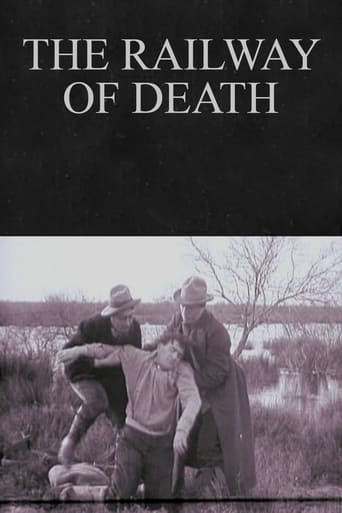
The Railway of Death
1912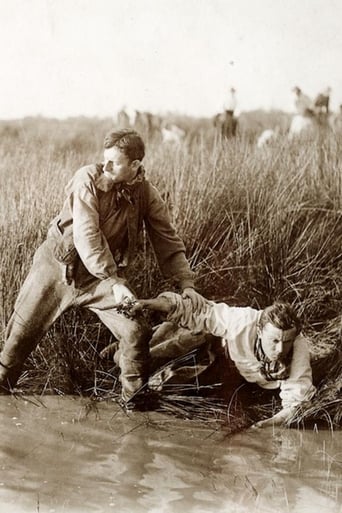
One Hundred Dollars, Dead or Alive
1911No Poster
Onésime sur le sentier de guerre
1913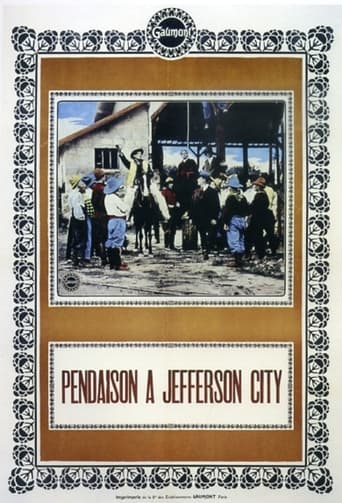
Pendaison à Jefferson City
1910No Poster
Zigoto's Honeymoon
1912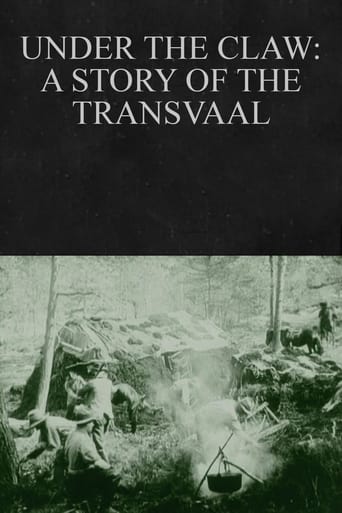
Under the Claw: A Story of the Transvaal
1912About Berthe Dagmar
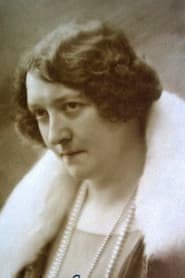
French actress who emerged during the days of cinema, working primarily in the silent film era from 1910 to 1913. She gained recognition through her collaborations with director Jean Durand, appearing in several of his popular comedy shorts. Dagmar became particularly known for her roles in the 'Calino' series, where she showcased her comedic talents alongside Jean Durand himself, who played the titular character. Her filmography, though brief, included works like 'The Rembrandt in Rue Lepic' (1910) and multiple Calino films including 'Calino Wants to Be a Cowboy' (1911) and 'Calino, Love Tamer' (1912). Working during a transformative period in cinema history, Dagmar contributed to the development of early French comedic film traditions. Like many actors of her era, her career was relatively short-lived, spanning just a few years during the rapid evolution of the film industry. Her performances helped establish the foundation for character-driven comedy in silent cinema.
The Craft
On Screen
Berthe Dagmar's acting style was typical of the silent era's physical comedy tradition, emphasizing exaggerated gestures and facial expressions to convey emotion and humor. Her performances in the Calino series demonstrated a talent for slapstick comedy and character work, essential skills for actors in early cinema where dialogue was absent. Dagmar likely employed the broad, theatrical techniques common in French comedy of the period, using her entire body to create comedic effect and establish character relationships quickly within the short format of early films.
Milestones
- Breakthrough role in 'The Rembrandt in Rue Lepic' (1910)
- Regular appearances in the popular Calino comedy series
- Collaboration with influential French director Jean Durand
- Contributions to early French silent comedy cinema
Best Known For
Iconic Roles
Must-See Films
Working Relationships
Worked Often With
Studios
Why They Matter
Impact on Culture
Berthe Dagmar contributed to the foundational development of French silent comedy during a crucial period in cinema history. Her work in the Calino series helped establish character-driven comedy as a popular genre in early French cinema, influencing subsequent generations of comedic performers. Though her career was brief and her name largely forgotten by mainstream film history, Dagmar was part of the generation of actors who helped establish the language of cinematic comedy. Her performances represent the transition from theatrical traditions to a new, uniquely filmic style of acting that would dominate cinema for decades.
Lasting Legacy
Berthe Dagmar's legacy lies primarily in her contribution to the early development of French silent comedy cinema. While she did not achieve lasting fame like some of her contemporaries, her work survives as part of the historical record of cinema's formative years. The Calino films in which she appeared are now studied by film historians as examples of early comedic techniques and the evolution of cinematic storytelling. Dagmar represents the countless actors who, while not becoming household names, were essential to the growth and development of cinema as an art form during its most experimental and creative period.
Who They Inspired
As an early cinema performer, Berthe Dagmar's influence was likely limited to her immediate circle of collaborators and the audiences who enjoyed her films during their initial release. However, her work in establishing comedic archetypes and techniques would have contributed to the broader development of silent film comedy. The physical comedy style she employed influenced subsequent generations of comedic actors, even if her specific contributions were not directly credited. Her performances in the Calino series helped demonstrate the potential of character-based comedy in the new medium of film.
Off Screen
Very little is documented about Berthe Dagmar's personal life, which was common for actors of the silent era who were not major stars. Like many early film performers, she likely came from a theatrical background or was drawn to the new medium of cinema during its explosive growth in the early 1910s. The brevity of her film career suggests she may have left the industry to pursue other interests or possibly due to the changing demands of the evolving film business as it transitioned toward more professionalized studio systems.
Did You Know?
- Berthe Dagmar's active years covered only about three years during the early silent era
- She worked primarily in comedy shorts, which were the dominant format in early cinema
- The Calino series in which she appeared was one of the early successful comedy franchises in French cinema
- Like many early film actors, she likely came from a theatrical background
- Her films were produced during a period when French cinema was dominating the global film market
- The brevity of her career was typical for many early film actors who worked during cinema's transitional period
- She worked during the era before film actors received screen credits in the way they do today
- Her performances survive only as historical artifacts, studied primarily by film historians and silent cinema enthusiasts
Frequently Asked Questions
Who was Berthe Dagmar?
French actress who worked in silent films during the early 1910s, primarily known for her roles in comedy shorts, especially the Calino series directed by and starring Jean Durand.
What films is Berthe Dagmar best known for?
Titles linked here include The Rembrandt in Rue Lepic (1910), Calino Wants to Be a Cowboy (1911).
When was Berthe Dagmar active in films?
Berthe Dagmar's film career was brief but significant, spanning from approximately 1910 to 1913 during the early silent era of French cinema.
Who did Berthe Dagmar frequently work with?
She frequently collaborated with director Jean Durand, who also starred as the character Calino in the comedy series where Dagmar appeared in supporting roles.
What was Berthe Dagmar's acting style?
Her acting style was typical of the silent era's physical comedy tradition, using exaggerated gestures and facial expressions to convey humor and emotion in the absence of dialogue.
Why is Berthe Dagmar's career considered historically significant?
While not a major star, her work contributed to the development of early French silent comedy and represents the era of cinema when actors were establishing the foundations of film performance.