
The Rembrandt in Rue Lepic
"A couple buy what is advertised as a Rembrandt painting."
Keys: Space play/pause · ←/→ 10s · F fullscreen · M mute · </> speed
About this film
A couple buy what is advertised as a Rembrandt painting, but a wild slapstick chase ensues after a woman sits on it.
Cast & crew
More films like this

More Comedy films
View all →






More from Jean Durand
View all →
More about this film
About the production
Release date1910
ProductionSociété des Etablissements L. Gaumont
Filmed inParis, France, Rue Lepic, Montmartre, Paris
Was part of Jean Durand's series of comedic shorts produced for Gaumont. The location shooting on Rue Lepic was significant as it was a famous artistic street in Montmartre, adding authenticity to the art-themed narrative. The film utilized practical effects and physical comedy techniques typical of the era, with actors performing their own stunts in the chase sequences.
Themes
Art and deceptionThe commercialization of artSocial class and aspirationUrban chaosThe gap between appearance and reality
Themes & topics
Historical background
Made in 1910, in France, under Jean Durand, The Rembrandt in Rue Lepic belongs to silent filmmaking amid the silent era's rapid stylistic experiments.
Why this film matters
Within silent history, Jean Durand's name attaches to the work; surviving prints help researchers study silent-era craft; 1910 film by Jean Durand.
Making of
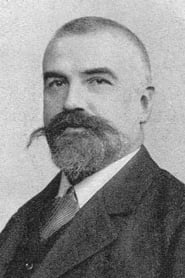
Jean Durand directed this film during his most prolific period at Gaumont, where he was responsible for numerous comedy shorts. The production utilized real Parisian locations, particularly the Montmartre district, which was still an active artistic community in 1910. The chase sequences were filmed using early tracking techniques, with camera operators following the actors through the streets. The cast, led by Ernest Bourbon, were regular collaborators with Durand and had developed a chemistry that allowed for improvisational elements within the structured slapstick routines. The painting prop used in the film was likely a reproduction created specifically for the production, as authentic Rembrandts would have been prohibitively expensive and impractical for film use.
What critics said
Contemporary reviews of The Rembrandt in Rue Lepic are sparse in open sources; later catalog entries chiefly summarize plot and credits.
Did you know?
- Rue Lepic, where the film is set, was famously home to Vincent van Gogh from 1886 to 1888, adding artistic irony to the Rembrandt theme
- Director Jean Durand was known as one of the pioneers of French slapstick comedy, often referred to as the 'French Mack Sennett'
- Produced during the golden age of French cinema when France dominated global film production
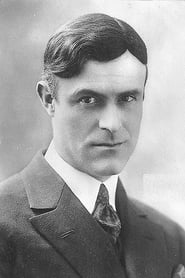
- Ernest Bourbon, who starred in the film, was a popular comic actor who often worked with Durand and appeared in numerous Gaumont productions
- The film's theme of art deception was particularly relevant in early 20th century Paris, where art forgery was becoming increasingly sophisticated
- Film was likely shown as part of a variety program in early cinemas, accompanied by live music and other short subjects
- Gaston Modot, who appears in the film, would later become known for his work in surrealist cinema and collaboration with Luis Buñuel
- The film's slapstick chase sequences were influenced by the popular 'chase film' genre that was extremely popular in the early 1910s
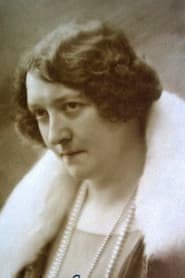
- Berthe Dagmar was one of the few women who regularly appeared in Durand's comedies, often playing the comic relief role
- Shot on 35mm film, which was the standard format for professional productions of the era
Visual style
The cinematography, typical of Gaumont productions of the era, utilized stationary cameras for interior scenes and mobile cameras for the exterior chase sequences. The location shooting on Rue Lepic demonstrates the growing sophistication of location cinematography in 1910. The film likely used natural lighting for exterior shots, which was common practice before the development of more sophisticated lighting equipment. The camera work during chase sequences would have been challenging for the period, requiring camera operators to follow the action while maintaining focus and composition. The visual style emphasizes clarity and readability of the action, which was essential for comedy in the silent era.
Innovations
While not in technical terms, the film demonstrates several important technical achievements for its period. The location shooting in Paris streets represented a move away from studio-bound productions toward more realistic settings. The chase sequences required coordination between camera operators and performers, showing growing sophistication in film technique. The film's editing, particularly during the chase scenes, demonstrates an understanding of rhythm and pacing essential for effective comedy. The use of real Parisian locations also provided authentic production value that enhanced the viewing experience. The film represents the refinement of continuity editing techniques that were becoming standard in French cinema by 1910.
Music
As a silent film, 'The Rembrandt in Rue Lepic' would have been accompanied by live musical performance during its theatrical run. The specific musical arrangements used have not been documented, which was typical for short films of this period. Theaters would have employed house musicians or pianists who would select appropriate music to match the on-screen action. For a comedy with chase sequences, the music would likely have been upbeat and lively, possibly incorporating popular songs of the period. The tempo would have increased during chase scenes to heighten the comedic effect. Some theaters might have used sound effects created by live performers to enhance the slapstick elements.
Memorable scenes
- The climactic chase sequence through the streets of Montmartre as the couple pursues their damaged Rembrandt
- The moment when the woman accidentally sits on the painting, triggering the chaos
- The initial purchase scene on Rue Lepic where the couple believes they've acquired a masterpiece
What audiences thought
Audience reception in 1910 would have been measured primarily by box office success and theater bookings rather than documented reviews. Films of this era were typically part of variety programs, and their success was judged by their ability to entertain diverse audiences. The slapstick elements and chase sequences would have been particularly appealing to working-class audiences who formed the bulk of early cinema patrons. The recognizable Parisian setting would have added local appeal for French audiences. The film's comedy was visual and universal, requiring no intertitles, making it accessible to international audiences as well, which was important for Gaumont's export market.
Film connections
Influenced by
- Georges Méliès' fantasy films
- Early Pathé comedies
- Mack Sennett's Keystone style (though this predates his most famous work)
- French theatrical comedy traditions
This film influenced
- Later French slapstick comedies
- Chase films of the 1910s
- Comedy shorts featuring art world themes
Film restoration
The preservation status of 'The Rembrandt in Rue Lepic' is uncertain, which is common for films of this era. Many French films from 1910 have been lost due to the unstable nature of early film stock and the lack of systematic preservation efforts. However, some Jean Durand films have survived in archives, particularly in the Gaumont-Pathé archives and the Cinémathèque Française. If prints exist, they would likely be in 35mm format and possibly incomplete or deteriorated. The film may exist in fragmentary form or as part of compilation reels. Digital restorations, if they exist, would be based on any surviving elements.
Where to watch
- Due to its age and uncertain preservation status, this film is not readily available on modern streaming platforms. Potential viewing sources include: The Cinémathèque Française archive screenings, Gaumont-Pathé archive collections, Specialized film archive websites that host public domain early cinema, Academic film libraries and university collections, Silent film festivals that occasionally program rare early shorts, DVD compilations of early French cinema (if available)