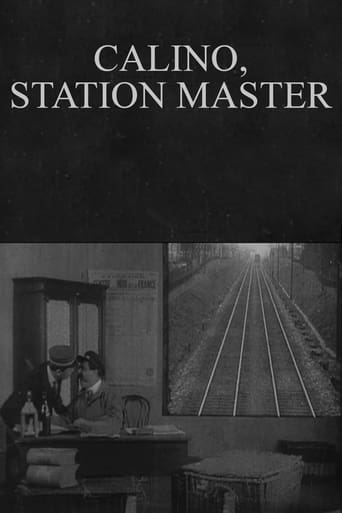
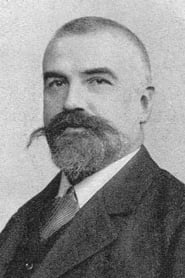
Jean Durand
Director
Born: December 15, 1882 in Paris, France Died: February 17, 1946 Active: 1908-1929 Birth Name: Jean Marie Joseph Durand
Films
27 films
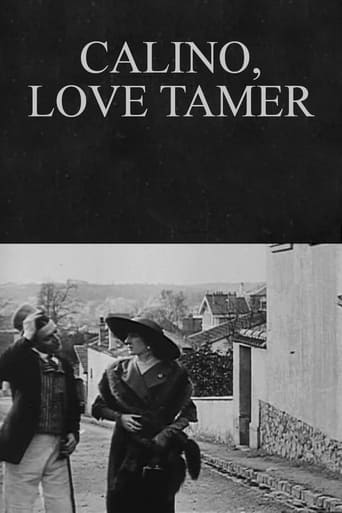
Calino, Love Tamer
1912
Calino courtier en paratonnerres
1912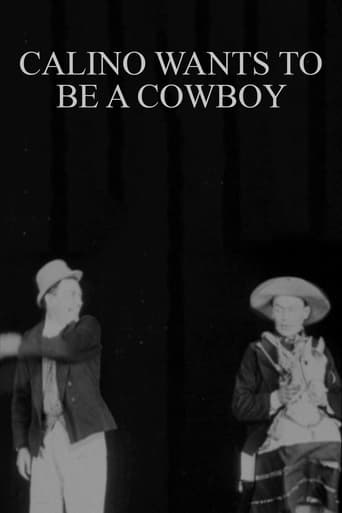
Calino Wants to Be a Cowboy
1911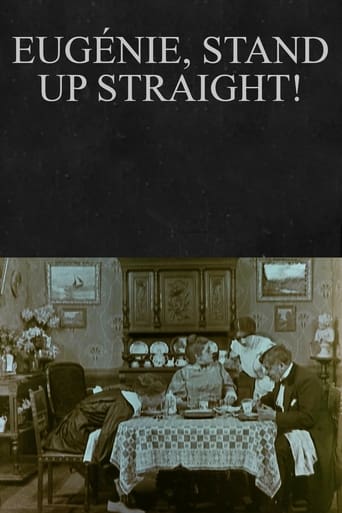
Eugénie, Stand Up Straight!
1911No Poster
Onésime a un duel à l'américaine
1912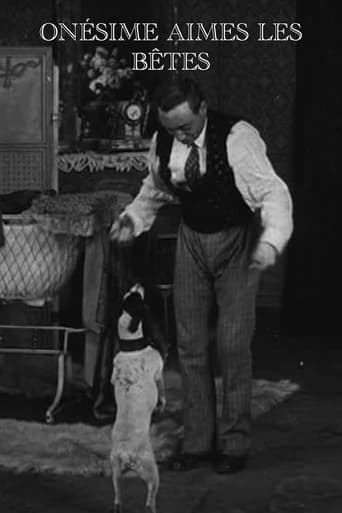
Onésime Loves Animals
1913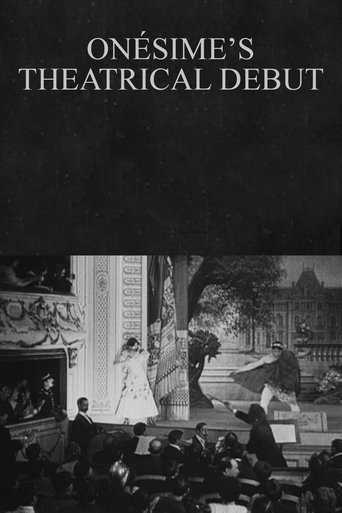
Onésime's Theatrical Debut
1913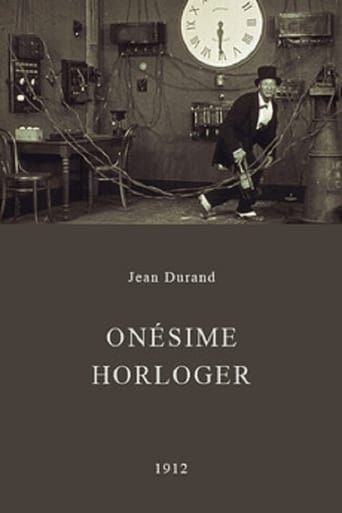
Onesime, Clockmaker
1912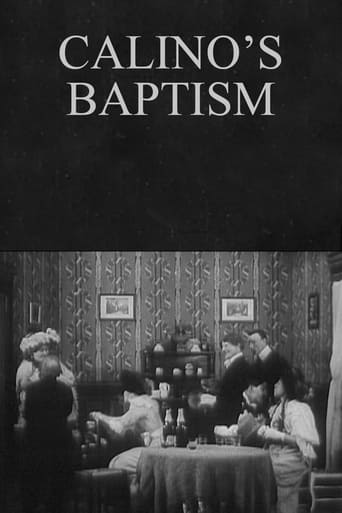
Calino's Baptism
1910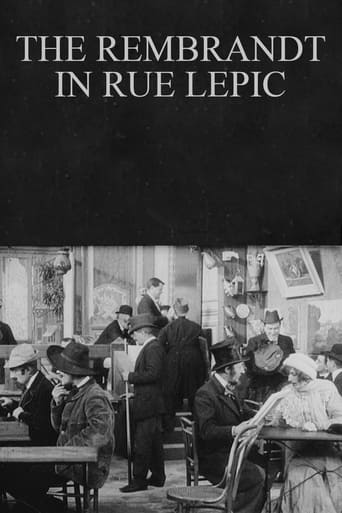
The Rembrandt in Rue Lepic
1910No Poster
Elastic Transformation
1908No Poster
The Disappearance of Onésime
1913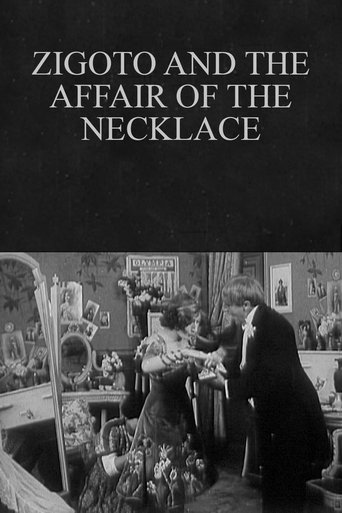
Zigoto and the Affair of the Necklace
1911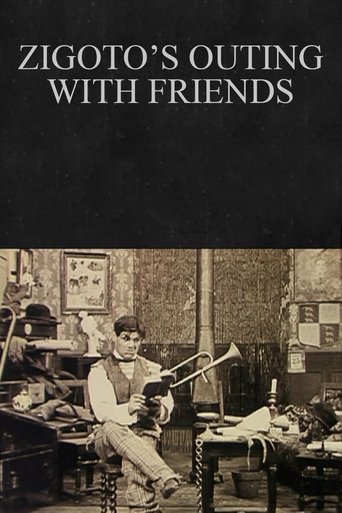
Zigoto's Outing with Friends
1912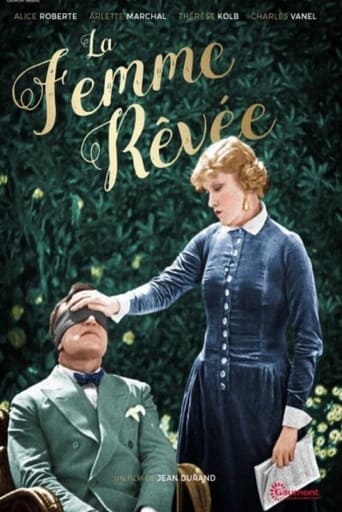
An Ideal Woman
1929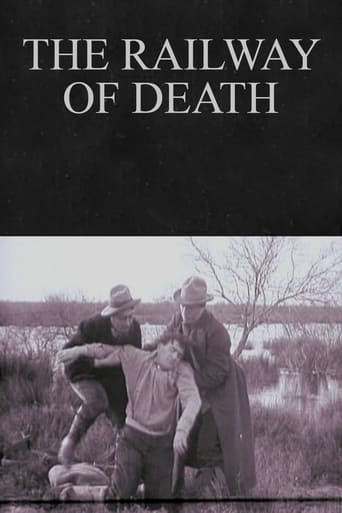
The Railway of Death
1912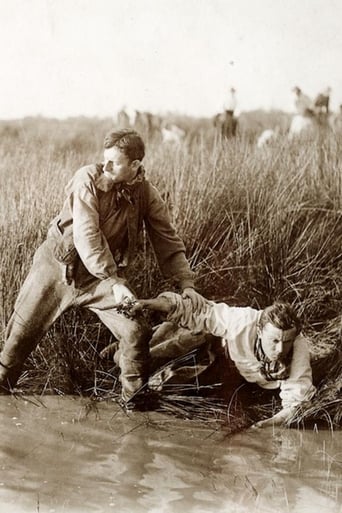
One Hundred Dollars, Dead or Alive
1911No Poster
Onésime champion de boxe
1913No Poster
Onésime, Post Office Employee
1912No Poster
Onésime est trop timide
1912
Onésime et l'étudiante
1912No Poster
Onésime sur le sentier de guerre
1913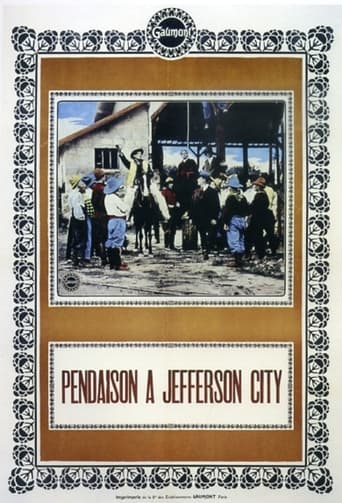
Pendaison à Jefferson City
1910No Poster
Zigoto's Honeymoon
1912
Zigoto plombier d'occasion
1912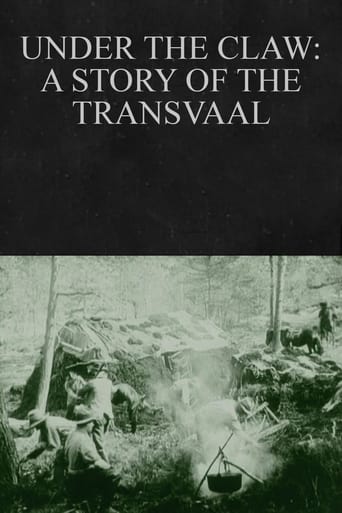
Under the Claw: A Story of the Transvaal
1912About Jean Durand
French film director who emerged during the birth of cinema and became prolific directors of the silent era. Beginning his career in 1908 with Gaumont studios, Durand quickly established himself excelled in comedy, developing the popular 'Calino' character played by Clément Mégé in a series of successful short films. His innovative approach to physical comedy and visual storytelling helped establish many techniques that would become standard in cinematic comedy. During World War I, Durand served in the French military while continuing to make films whenever possible, demonstrating his dedication to the medium. In the post-war period, he transitioned from pure comedy to more dramatic works, though he never achieved the same level of success as with his earlier comedies. His career effectively ended with the advent of sound cinema in the late 1920s, as he struggled to adapt to the new technology. Despite directing over 400 films during his two-decade career, most of Durand's work has been lost, making him a somewhat enigmatic figure in film history whose true influence may never be fully understood.
The Craft
Behind the Camera
Jean Durand's directing style was characterized by its energetic pace, innovative visual gags, and mastery of physical comedy. He utilized dynamic camera movements and creative editing techniques that were advanced for their time, often incorporating tracking shots and unusual angles to enhance comedic effect. Durand had a remarkable ability to create maximum entertainment value from minimal resources, developing elaborate comic situations using simple props and locations. His films emphasized visual storytelling over intertitles, making them accessible to international audiences and helping establish the universal language of cinema comedy. He was particularly skilled at building comedy around recurring characters and situations, creating audience loyalty through familiar faces and evolving scenarios.
Milestones
- Created and developed the 'Calino' comedy series for Gaumont studios
- Directed over 400 films during his 21-year career
- Pioneered innovative slapstick comedy techniques in early cinema
- Helped establish French cinema's international reputation for comedy
- Transitioned successfully from short comedies to feature-length dramatic films
Best Known For
Must-See Films
Accolades
Special Recognition
- Recognized by film historians as an important pioneer of French cinema and early comedy films
Working Relationships
Worked Often With
Studios
Why They Matter
Impact on Culture
Jean Durand played a significant role in establishing French cinema's international reputation for comedy during the silent era. His work with the Calino character helped create the template for recurring comic characters in cinema, influencing filmmakers worldwide who would develop similar series. Durand's innovative techniques in physical comedy and visual storytelling contributed to the development of film language itself, particularly in how comedy could be constructed purely through visual means. His films were among the first French comedies to achieve international distribution, helping establish France as a major force in global cinema. The sheer volume of his output (over 400 films) demonstrated the commercial viability of comedy shorts and helped establish the economic model that would support early film studios.
Lasting Legacy
Jean Durand's legacy is that of a force in early French comedy cinema, though one whose full impact remains difficult to assess due to the loss of most of his work. As. His surviving films demonstrate remarkable innovation and technical skill for their time period, showing how early directors pushed the boundaries of what was possible with the new medium. Film historians recognize Durand as an important bridge between the earliest cinematic experiments and the more sophisticated comedies of the 1920s. While not as famous as some contemporaries like Georges Méliès, Durand's consistent output and quality during cinema's formative years make him an essential figure in understanding the development of film comedy.
Who They Inspired
Jean Durand influenced the development of slapstick comedy techniques that would be adopted by filmmakers internationally. His work with recurring characters established patterns for comedy series films that would become standard throughout the silent era and beyond. The visual comedy techniques he developed can be traced through the work of later French directors and even influenced American comedy pioneers. His approach to creating maximum comic effect from minimal resources demonstrated the creative possibilities of the medium. The international success of his films helped establish French cinema's reputation for sophisticated comedy, influencing how French films were marketed and received globally.
Off Screen
Jean Durand was born and raised in Paris, growing up during the revolutionary birth of cinema. He lived through both World Wars, serving in the French army during World War I while maintaining his film career when possible. Details about his personal life remain scarce, as was common for many film professionals of his era who lived relatively private lives away from the spotlight. After retiring from filmmaking in the late 1920s as sound cinema emerged, Durand lived a quiet life in Paris until his death in 1946, shortly after the end of World War II. His legacy exists primarily through his surviving films and the influence he had on subsequent generations of comedy directors.
Education
No formal film education documented; learned through practical experience in the early French film industry, likely through apprenticeship at Gaumont studios
Family
- Limited documentation available
Did You Know?
- Directed over 400 films during his career, though fewer than 50 are known to survive today
- The 'Calino' character he developed was one of the first recurring comic characters in cinema history
- His film 'Elastic Transformation' (1908) is considered an early example of special effects used for comedy
- Worked during the same period as other French cinema pioneers like Georges Méliès and the Lumière brothers
- Many of his early films were only 1-2 minutes long, typical of cinema's first decade
- Continued directing while serving in the French army during World War I
- His career effectively ended with the transition to sound cinema in the late 1920s
- Was part of the Gaumont studio system that dominated early French film production
- His comedies were popular internationally, helping establish France's reputation for cinematic humor
- Few of his films have been preserved, making him one of cinema's great lost talents
In Their Own Words
No well-documented quotes from Jean Durand are available from historical records
Frequently Asked Questions
Who was Jean Durand?
French on YTB.my. He worked mainly for Gaumont studios and created the popular 'Calino' comedy series, establishing himself as one of early cinema's most prolific and innovative comedy directors.
What films is Jean Durand best known for?
Titles linked here include Elastic Transformation (1908), Calino's Baptism (1910).
When was Jean Durand born and when did he die?
Born December 15, 1882; died February 17, 1946.
What was Jean Durand's directing style?
Durand's directing style was characterized by energetic pacing, innovative visual gags, and mastery of physical comedy. He utilized dynamic camera movements and creative editing techniques that were advanced for their time, emphasizing visual storytelling over intertitles to make his films accessible to international audiences.
How many films did Jean Durand direct?
Jean Durand directed over 400 films during his 21-year career, though tragically fewer than 50 of these films are known to survive today. This makes him.
What was the Calino character?
Calino was a recurring comic character created by Jean Durand, played by actor Clément Mégé in a popular series of short films for Gaumont. The character was one of cinema's first recurring comic personalities and appeared in numerous films between 1910-1911, helping establish the template for comedy series films.
Did Jean Durand win any awards?
No formal awards or nominations for Jean Durand have been documented from his era, as the major film awards systems were not yet established during his active years. He is recognized by film historians as an important pioneer of early cinema rather than an award recipient.
What happened to Jean Durand's films?
The vast majority of Jean Durand's 400+ films have been lost, a common fate for early cinema due to the fragile nature of nitrate film stock and lack of preservation efforts in the early 20th century. Fewer than 50 of his films are known to survive today, making it difficult to fully assess his contributions to cinema.