


An Ideal Woman
"Mercedes soon discovers temptations."
Keys: Space play/pause · ←/→ 10s · F fullscreen · M mute · </> speed
About this film
They fall in love and Mercedes soon discovers the temptations of Paris. Based on a novel by José Pérez de Rozas. In Seville, Angel Caal, a Parisian businessman, escapes blindness after a car accident, thanks to the dedicated care of Mercédès, intended for the convent.
Cast & crew
More films like this
More Drama films
View all →







More from Jean Durand
View all →
More about this film
About the production
Release dateDecember 20, 1929
ProductionSociété des Cinéromans
Filmed inParis, France, Seville, Spain (studio sets)
This film was produced during the critical transition period between silent cinema and sound films in France. Director Jean Durand, who had been making films since the early 1900s, adapted his visual storytelling techniques to accommodate emerging sound technology. The production likely faced challenges typical of this era, including the need for both silent and sound versions to be created for different markets. The Spanish setting was recreated in French studios rather than filmed on location, which was common practice for European productions of this period.
Themes
Religious devotion vs. worldly temptationCultural conflict between traditional and modern valuesThe transformative power of love and careFemale innocence and corruptionUrban vs. rural morality
Themes & topics
SevilleParisblindnessrecoveryconventbusinessmancar accidentlove storytemptationmoral conflictreligious devotionurban lifecultural contrast
Historical background
The 1929 premiere of An Ideal Woman belongs to the broader shift toward narrative features and recognizable genres.
Why this film matters
Surviving prints of An Ideal Woman help researchers study how 1929-era filmmakers solved storytelling with limited means.
Making of
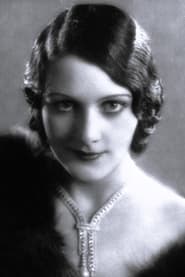
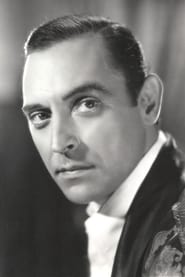
The production of 'An Ideal Woman' took place during a tumultuous period in French cinema history, as the industry was transitioning from silent to sound films. Director Jean Durand, who had been making films since the early 1900s, had to adapt his directorial style to accommodate new sound technology while maintaining the visual storytelling techniques he had perfected during the silent era. The casting of Arlette Marchal, a former beauty queen, as the innocent Mercédès was a strategic choice by the producers to capitalize on her popularity and public image. The film's Spanish setting, while suggested by the source material, was likely recreated in French studios using elaborate sets and backdrops, a common practice that saved production costs and allowed for greater control over the filming environment. The chemistry between Marchal and Charles Vanel was reportedly genuine, with Vanel later mentioning in interviews that this early role helped establish his reputation as a serious dramatic actor capable of handling complex emotional material.
What critics said
Press files from 1929 rarely give An Ideal Woman extended review space; mentions appear in roundup columns.
Did you know?
- The film was based on the novel 'La Femme Idéale' by Spanish author José Pérez de Rozas, representing a rare literary adaptation from Spanish literature in French cinema of the era.
- Director Jean Durand was one of the pioneering figures of French cinema, having started his career in the 1900s and directed over 300 films throughout his career.
- This was one of Charles Vanel's early significant roles before he became one of France's most celebrated character actors, later starring in films like 'The Wages of Fear' (1953).
- The film was released in late 1929, making it one of the early French sound films, though it may have been released as a silent film in some markets.
- Arlette Marchal, who played Mercédès, was a former Miss France (1927) who transitioned from beauty pageants to acting, becoming a popular star in French cinema.
- The film's themes of religious devotion versus worldly temptation reflected the social tensions of 1920s France, where traditional values were being challenged by modernity.
- The production company Société des Cinéromans was known for adapting literary works and was one of the major French film studios of the silent and early sound era.
- Alice Roberts, who appears in the supporting cast, was Belgian-born and would later become known for her work in German cinema during the 1930s.
- The film's title 'An Ideal Woman' was a common theme in 1920s cinema, reflecting contemporary debates about women's roles in modern society.
Visual style
The cinematography of 'An Ideal Woman' would have reflected the transitional nature of 1929 filmmaking, combining the sophisticated visual techniques of late silent cinema with the new requirements of sound recording. The film likely used static camera positions more frequently than pure silent films to accommodate sound recording limitations, but would have maintained the artistic composition and lighting techniques developed during the silent era. The contrast between the supposed Spanish setting and Paris would have been emphasized through lighting and set design, with Seville scenes featuring warmer tones and religious iconography, while Paris sequences would have showcased more modern, urban visual elements. The cinematographer would have faced the challenge of creating visually interesting scenes while ensuring sound quality, a technical balancing act that defined early sound films.
Innovations
The film's primary technical achievement was its successful navigation of the transition from silent to sound cinema. As a 1929 production, it would have utilized early sound recording equipment, possibly using the sound-on-disc system that was common in early French sound films before the industry fully adopted sound-on-film technology. The production likely had to create both sound and silent versions for different markets, a common practice during this transitional period. The technical team would have faced challenges in recording clear audio while maintaining visual freedom, requiring innovative solutions to microphone placement and soundproofing. The film also represents the technical achievement of creating convincing Spanish settings within French studios, demonstrating the artifice and craftsmanship of late 1920s European film production.
Music
As an early sound film, 'An Ideal Woman' would have featured a synchronized musical score and possibly some sound effects, though the extent of spoken dialogue is uncertain. The soundtrack likely consisted of orchestral accompaniment that underscored the emotional tone of each scene, with romantic themes for the love story and more dramatic music for moments of conflict and temptation. Given the Spanish setting, the score may have incorporated Spanish musical motifs and instrumentation to enhance the exotic atmosphere. The transition from Seville to Paris would have been reflected in the musical style, with traditional Spanish sounds giving way to more sophisticated, urban Parisian musical themes. The sound technology of 1929 was still primitive, so the audio quality would have been limited by the technical constraints of the era.
Famous quotes
In the darkness of my blindness, I saw the light of your soul.
Paris changes everything, even the purest heart.
I came to save your sight, but you have opened my eyes to life.
Memorable scenes
- The car accident sequence that leaves Angel blind, utilizing early special effects and dramatic editing to convey the sudden tragedy.
- Mercédès' tender nursing scenes, where her devotion gradually heals both Angel's physical and emotional wounds.
- The climactic scene where Mercédès first experiences the temptations of Parisian society, contrasting her innocent reactions with the sophisticated urban environment.
What audiences thought
Audience reception in 1929 appears to have been positive, particularly among viewers who appreciated romantic melodramas and the star power of Arlette Marchal and Charles Vanel. The film's themes of love, sacrifice, and moral choice resonated with contemporary audiences who were navigating their own social changes in post-war France. The exotic Spanish setting, even if recreated in studios, added visual appeal for audiences seeking escapist entertainment during the early years of the Great Depression. The film's release during the holiday season in December likely contributed to its commercial performance, as family audiences sought entertainment during the festive period. However, like many films of this era, its long-term audience impact was limited by the rapid evolution of cinema technology and changing tastes in the early 1930s.
Film connections
Influenced by
- Literary adaptations of the late 1920s
- French romantic melodrama tradition
- Spanish literature in French cinema
- Early sound film conventions
Film restoration
The preservation status of 'An Ideal Woman' (1929) is currently unknown, and the film is considered potentially lost or partially lost, which is common for French films from this transitional period. Many French films from 1929-1930 were not properly preserved due to the rapid technological changes in cinema and the economic challenges of the early 1930s. No complete restored version is known to exist in major film archives, though fragments or copies may survive in private collections or smaller European archives.
Where to watch
- Currently unavailable for viewing due to preservation status
- May exist in film archives such as Cinémathèque Française
- Potential screenings at classic film festivals or special events
- Academic institutions with film studies programs may have access