Films
2 films
About Tony D'Algy
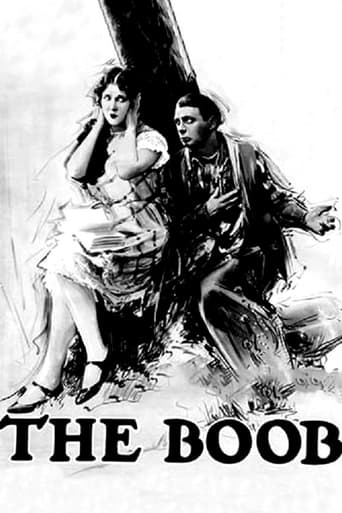
Film actor active during the late silent era and the transition into early sound cinema, with screen credits that place his career primarily between 1926 and 1929. He is best remembered today as a supporting performer in American and European productions from this period, including The Boob (1926) and An Ideal Woman (1929). Like many actors of the international silent era, he worked in a film culture that frequently cast cosmopolitan, continental, or vaguely aristocratic types, and his surviving credits suggest he was part of the mobile pool of performers employed in cross-border productions of the 1920s. Documentation about his personal life is scarce in modern reference sources, and much of his career is reconstructed from filmographies rather than detailed studio publicity or contemporary biographies. Because of that, he remains a comparatively obscure figure in classic cinema history, known more for his presence in surviving film records than for a widely documented star persona. His career arc reflects the instability of the late silent-film marketplace, where many capable performers appeared in only a handful of films before disappearing from the record. Despite the limited surviving information, he remains of interest to historians and collectors because he represents the many international actors who helped shape the look and texture of silent and early sound filmmaking.
The Craft
Milestones
- Appeared in The Boob (1926), one of his most frequently cited surviving screen credits
- Worked in the late silent-era and early talkie transition period, a historically significant moment in film history
- Was cast in An Ideal Woman (1929), placing him in the final years of silent-era international production
- Represents the class of lesser-documented supporting actors whose careers are preserved mainly through filmography records
- Associated with European or international screen work of the 1920s, as reflected in the titles linked to his name
Best Known For
Iconic Roles
Must-See Films
Why They Matter
Impact on Culture
Tony D'Algy's cultural impact is primarily historical rather than celebrity-based. He belongs to the broad, multinational body of actors who populated silent films and early sound pictures, helping give those productions an international flavor even when their individual biographies were not heavily publicized. Performers like D'Algy are important to film history because they illustrate how silent cinema depended on a wide network of supporting players, many of whom crossed between national film industries. His name appears in surviving film records that help scholars reconstruct casting practices, production networks, and the circulation of performers during the 1920s. While he was not a major star whose image shaped popular culture at large, his career contributes to the texture and authenticity of the era and to the archival record of early cinema.
Lasting Legacy
Tony D'Algy's legacy lies in his presence within the surviving record of late silent-era and early sound film, where even brief filmographies can help historians map the movement of actors across productions and countries. Because so little personal information survives, he exemplifies the many performers whose contributions were significant to the functioning of the industry but who never became major stars with sustained publicity. His film credits are valuable to researchers interested in cast lists, transnational cinema, and the transition from silent to sound filmmaking. In this sense, his lasting importance is archival: he is part of the historical fabric that allows modern audiences and scholars to understand how films of the period were made and populated. For classic-cinema databases, his name remains a useful point of reference for identifying an actor whose career was brief but anchored in a crucial transitional moment in film history.
Who They Inspired
There is no evidence of a direct, widely documented influence by Tony D'Algy on later stars or filmmakers in the way that major silent-era personalities influenced subsequent generations. His influence is better understood indirectly, through the type of screen presence he represents: the European or cosmopolitan supporting actor who helped define the atmosphere of 1920s films. Actors working in that mode influenced casting conventions and helped establish recurring screen types that persisted into the studio era. For historians, his career also serves as a reminder that film history is built not only by stars but also by the many under-documented professionals who made the production system function.
Off Screen
Reliable biographical information about Tony D'Algy's personal life is not readily available in standard classic-cinema reference sources. His birth details, family background, marriages, and domestic life have not been clearly documented in the surviving material commonly cited for vintage film personalities. As a result, he is one of many early film performers whose professional footprint survives more clearly than their private biography. No verified records of spouses or children were located in the available reference context.
Did You Know?
- Tony D'Algy's surviving filmography is short, with the best-documented activity concentrated in 1926 to 1929.
- He is associated with both The Boob and An Ideal Woman, titles that help anchor his known screen presence.
- Like many performers of the late silent era, he is difficult to research because standard sources preserve credits more often than personal details.
- He appears to have worked during one of cinema's most important transition periods, when silent films were giving way to sound.
- He is a classic example of an actor whose historical footprint survives more in databases and filmographies than in newspaper profiles or memoirs.
- His name suggests a possible European or Iberian connection, but verifiable biographical details are not readily established in the available record.
- He is of interest to archivists because even sparse credits can help confirm cast lists in obscure or partially lost films.
Frequently Asked Questions
Who was Tony D'Algy?
Film with credits in this catalog. He is best known today through a small surviving filmography that includes The Boob (1926) and An Ideal Woman (1929).
What films is Tony D'Algy best known for?
Titles linked here include The Boob (1926), An Ideal Woman (1929).
When was Tony D'Algy born and when did he die?
His birth and death dates are not readily verifiable in the standard classic-cinema reference context available here. Because of that, both details are currently unknown rather than safely asserted.
What awards did Tony D'Algy win?
No awards or formal honors are readily documented for Tony D'Algy in the surviving reference material. His historical significance is based on his film credits rather than on a recorded awards history.
What was Tony D'Algy's acting style?
Specific descriptions of his acting style are not well preserved in available sources. Based on the era and the kinds of roles that supporting actors often played, he likely worked in the restrained, expressive style typical of late silent cinema and early transitional films.
What is Tony D'Algy's legacy in film history?
His legacy is mainly archival and historical. He represents the many lesser-documented performers who helped build silent-era and early sound films, even if their private lives and star images were not widely recorded.