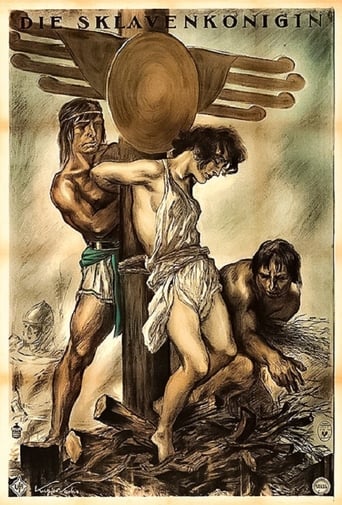
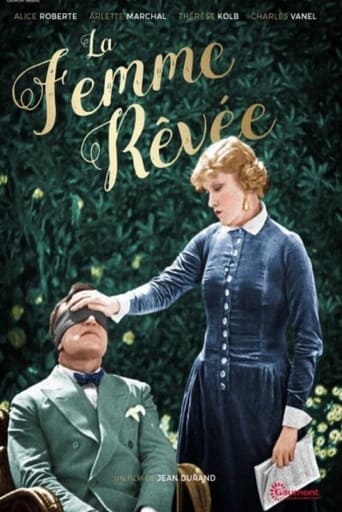
Films
3 films
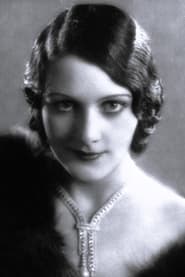
About Arlette Marchal
French actress of the silent era and early sound period: screen career was brief but notable in late 1920s European and international productions. She appears to have been active on film from 1924 to 1929, working during the transitional years when silent cinema was giving way to synchronized sound. Among the films most often associated with her are Moon of Israel (1924), Hula (1927), and An Ideal Woman (1929), which place her career across both silent and early talking-era filmmaking. Marchal was part of a generation of continental performers who brought a cosmopolitan, elegant presence to cinema and often appeared in productions aimed at international markets. Because her career was comparatively short and documentation is limited, much of her biographical record is less fully preserved than that of the major stars of the period. She is nonetheless remembered by film historians as one of the many refined European screen actresses whose work helped define the look and tone of late silent cinema. Her surviving film credits suggest an actress associated with glamour, emotional restraint, and the stylized performance traditions of the era.
The Craft
On Screen
Arlette Marchal appears to have worked in the expressive, visually elegant style characteristic of late silent and early transitional cinema. Her screen image was likely shaped by controlled gestures, poised facial expression, and the refined composure that silent-era directors often sought in European leading women. In surviving references, she is associated more with screen presence and decorative sophistication than with highly theatrical display. Because detailed contemporary criticism and extensive surviving documentation are limited, a more precise technical assessment of her method is difficult. Even so, her filmography suggests a performer suited to romantic, exotic, or melodramatic roles where mood and visual elegance were central.
Milestones
- Appeared in Moon of Israel (1924), one of her best-known silent-era film credits
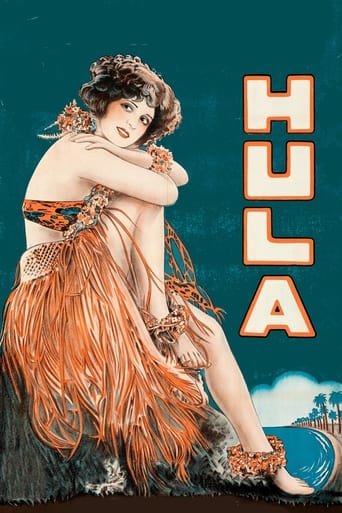
- Worked in Hula (1927), extending her screen career into the late silent period
- Appeared in An Ideal Woman (1929), placing her at the threshold of the sound era
- Built a screen persona associated with refined, cosmopolitan European glamour
- Represents the class of continental actresses who appeared in internationally oriented productions during the 1920s
Best Known For
Iconic Roles
Must-See Films
Why They Matter
Impact on Culture
Arlette Marchal's cultural significance lies less in celebrity on the level of the biggest international stars and more in what she represents within the history of European silent cinema. She belonged to the generation of actresses who helped define the graceful, polished, and often idealized feminine image that was central to late silent filmmaking, especially in productions with an international or exotic appeal. Her appearance in films such as Moon of Israel and Hula places her within a period when cinema was increasingly global in style and ambition, with performers moving across national markets and hybrid production traditions. Even when a star's fame was modest or brief, these actresses contributed to the visual vocabulary of the era: elegance, romantic mystique, and the restrained emotional expressiveness that silent film demanded. For film historians, Marchal is part of the broader lineage of European screen actresses whose work enriched the silent medium and helped bridge it into the early sound period.
Lasting Legacy
Arlette Marchal's legacy is that of a historically interesting but under-documented actress from the transitional years of classic cinema. Her surviving credits preserve her as part of the international cast of screen personalities who made the 1920s a rich period of exchange between European and broader commercial filmmaking. While she does not appear to have left behind the extensive fame of the era's most famous leading women, her filmography remains valuable for understanding the careers of actresses whose work was visible at the time but is now less fully remembered. She stands as a representative figure of silent-era femininity, style, and cross-border film culture. In modern film history, such performers are important because they help complete the picture of the industry beyond the canonical stars. Her name persists in film databases and archival references as part of the fabric of classic cinema history.
Who They Inspired
Arlette Marchal's influence was likely indirect rather than traceable through a specific mentorship line. Her screen persona contributed to the broader model of the elegant European leading lady that other performers and filmmakers continued to use in late silent cinema. As a participant in international productions, she also reflects the way continental actresses helped shape audience expectations for sophistication, glamour, and romantic allure. Her influence is best understood within the collective impact of actresses of her type rather than through demonstrable direct mentorship or a widely documented personal school of acting. In that sense, she helped sustain a performance style and screen image that remained important in early 20th-century cinema.
Off Screen
Publicly available information about Arlette Marchal's personal life is limited in mainstream film reference sources. Details such as her family background, marriages, children, and later life are not widely documented in the standard summaries that survive for many silent-era performers. This scarcity of biographical data is not unusual for European screen actors whose fame was localized or whose careers ended before long-form studio publicity records became standard. As a result, her private life remains largely obscured from modern database-style summaries. Any fuller account would require archival research in French-language film periodicals, production records, or civil documentation.
Did You Know?
- Arlette Marchal is best remembered today through a small number of late silent-era and early sound-era film credits.
- Her known film appearances place her career squarely in the transitional period between silent cinema and talking pictures.
- She is often associated with French or continental European screen glamour rather than with Hollywood stardom.
- Moon of Israel (1924) is one of the titles that most frequently appears in references to her career.
- Her filmography is brief enough that she is more of an archival and historical interest than a widely publicized star.
- She exemplifies the many actresses of the 1920s whose screen careers were visible in their own time but are now only partially documented.
- The scarcity of personal information about her is typical of many performers from the silent era, especially those whose careers ended before modern publicity systems expanded.
Frequently Asked Questions
Who was Arlette Marchal?
French actress active during the late silent era and the early transition to sound film. She is best remembered for appearing in films such as Moon of Israel (1924), Hula (1927), and An Ideal Woman (1929).
What films is Arlette Marchal best known for?
Titles linked here include Moon of Israel (1924), Hula (1927).
When was Arlette Marchal born and when did she die?
Her exact birth and death dates are not clearly documented in the readily available mainstream reference material. In standard film summaries, these details are often absent or unverified for lesser-documented silent-era performers.
What awards did Arlette Marchal win?
No widely documented major awards or nominations are associated with Arlette Marchal in the surviving mainstream record. Her significance is historical rather than award-based, resting on her place in silent and early sound cinema.
What was Arlette Marchal's acting style?
Her acting style is best understood as typical of the late silent era: poised, expressive, and visually elegant. She appears to have been suited to romantic or glamorous roles that relied on screen presence, gesture, and facial expression rather than spoken dialogue.
What is Arlette Marchal's legacy in film history?
Her legacy lies in representing the many European actresses who helped define silent-era screen femininity and international film culture. Although she is not a major household name today, she remains a useful figure for understanding the breadth of classic cinema beyond its most famous stars.