Films
3 films
About Mademoiselle Davrières
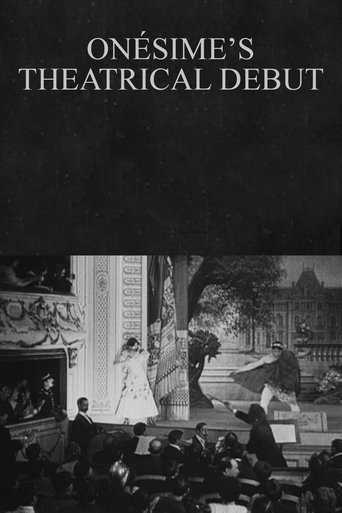
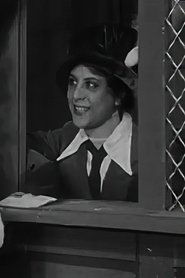
Mademoiselle Davrières appears once in this catalog: Onésime's Theatrical Debut (1913). ' which was part of the popular Onésime film series produced by Pathé Frères. Like many performers in early French cinema, she was likely a stage actress who transitioned briefly to the new medium of film. Her career appears to have been extremely brief, spanning only the year 1913, which was not uncommon for actors in the nascent film industry where many performers appeared in only one or two films before returning to other pursuits. The Onésime series starred Ernest Bourbon as the titular character and was one of Pathé's successful comedy franchises of the early 1910s.
The Craft
On Screen
No documented information available about her specific acting style or technique
Milestones
- Appeared in 'Onésime's Theatrical Debut' (1913)
Best Known For
Iconic Roles
Must-See Films
Working Relationships
Worked Often With
Studios
Why They Matter
Impact on Culture
Mademoiselle Davrières represents the countless anonymous performers who contributed to the birth of cinema during its formative years. Her single known film appearance places her within the context of early French comedy cinema, which was instrumental in developing film language and storytelling techniques. While her individual impact was minimal due to her brief career, she was part of the larger movement that established film as a legitimate artistic medium and entertainment form. The Onésime series in which she appeared was among the early comedy franchises that helped establish recurring characters and serialized storytelling in cinema.
Lasting Legacy
Mademoiselle Davrières' legacy is primarily that of a representative figure from cinema's earliest days, illustrating the transient nature of early film careers. Like many performers of her era, her contribution exists only in the historical record of film credits, serving as a reminder of the thousands of artists who participated in cinema's birth but whose names have been largely lost to history. Her appearance in a Pathé production connects her to.
Who They Inspired
No documented influence on other performers or filmmakers due to the extremely limited scope of her known film work
Off Screen
No documented information available about her personal life, family, or background beyond her brief film appearance
Did You Know?
- She appeared in only one known film during her entire career
- Her film was part of the popular Onésime comedy series produced by Pathé Frères
- The title 'Mademoiselle' suggests she was unmarried at the time of her film appearance
- Her film was released during the peak of French cinema's global dominance before World War I
- Pathé Frères was one of the largest film production companies in the world during this period
- The Onésime series was one of several successful French comedy franchises of the early 1910s
- Many early film actors used only their first names or titles like 'Mademoiselle' in credits
Frequently Asked Questions
Who was Mademoiselle Davrières?
Screen credits include only one known film, 'Onésime's Theatrical Debut' in 1913. She was part of the generation of film actors during cinema's formative years.
What films is Mademoiselle Davrières best known for?
Titles linked here include Onésime's Theatrical Debut (1913).
When was Mademoiselle Davrières born and when did she die?
Her birth and death dates are not documented in historical records, which is common for many performers from early cinema who had brief or minor careers.
What awards did Mademoiselle Davrières win?
She did not receive any known awards or recognition, which was typical for most film actors during the very early 1910s when formal award systems for cinema had not yet been established.
What was Mademoiselle Davrières' acting style?
No specific information exists about her acting style or technique. Like many early film actors, she likely employed theatrical acting methods common in the transitional period from stage to screen.
Why is so little known about Mademoiselle Davrières?
The scarcity of information about her reflects the reality of early cinema documentation, where many performers appeared in only one or two films and were not considered significant enough for detailed biographical records to be maintained.