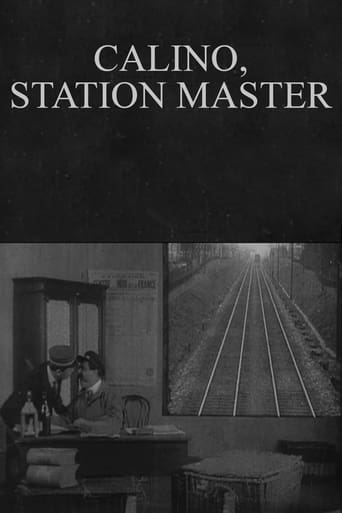
Onésime champion de boxe
Plot
Onésime, played by Ernest Bourbon, unexpectedly decides to take up boxing despite having little obvious athletic aptitude. His enthusiasm quickly turns into a comic training ordeal, as his attempts to learn the sport lead to awkward exercises, blunders, and escalating physical chaos. The situation becomes more absurd when he sets his sights on facing an American fighter touring France, turning a personal hobby into a ridiculous public challenge. As in many Onésime comedies, the humor comes from escalating slapstick, exaggerated gestures, and the character’s complete confidence in the face of his own incompetence. The film builds toward a confrontation that is more playful spectacle than serious sporting contest, ending with the type of comic mayhem typical of Jean Durand’s short-form farces.
About the Production
This is a short silent comedy made during the active years of the Onésime series, one of the recurring comic character cycles produced in early French cinema. Jean Durand was a prolific director of comic shorts at Gaumont, and the film was designed around visual gags, athletic slapstick, and the popularity of recurring character comedy rather than narrative complexity. Like many productions of the era, it was likely shot in and around Gaumont’s Paris-area facilities and/or outdoor locations used by the company, but specific surviving location documentation is limited. The film belongs to the pre-World War I boom in French comedy shorts, when studios were regularly turning out brief, character-based farces for a growing international market.
Historical Background
The film was made in 1913, on the eve of World War I, during a period when French cinema was among the most active and innovative in the world. Early 1910s audiences were enthusiastic about short comedies, especially recurring-character series that gave them familiar performers in fresh comic situations. Boxing itself was a modern spectacle in this era, associated with transatlantic sport, bodily discipline, and popular entertainment, making it a natural target for parody. The film also belongs to a time when studios like Gaumont were refining the assembly-line production of shorts and building recognizable comic brands that could travel well beyond France. In that sense, it is historically valuable as a snapshot of prewar popular culture, industrial filmmaking, and the international circulation of comic types and sporting trends.
Why This Film Matters
Although not a major canonical title, the film is significant as part of the early French comedy tradition and as an example of how character-based series helped shape film comedy before feature-length narratives became dominant. The Onésime films contributed to the development of recurring-screen-personality humor, a model that later influenced many serial and star-driven comic formats. Its premise also reflects an early cinematic habit of turning contemporary social interests—such as boxing, sports tourism, and American athletic culture—into broadly legible visual satire. For historians, the film is useful because it preserves the style and sensibility of prewar French slapstick, including the importance of physical performance and the comic undermining of masculine bravado.
Making Of
Onésime champion de boxe was produced within Gaumont’s established short-comedy system, where recurring characters could be placed into new situations with minimal narrative setup. That industrial approach allowed the studio to capitalize on audience familiarity with Onésime while keeping production efficient and inexpensive. Jean Durand specialized in this kind of comedy, staging gags that relied on timing, movement, and the comic humiliation of the title character. The film likely drew on real boxing imagery and contemporary sporting culture as a source of parody, but no detailed production records, cast interviews, or set reports appear to survive in widely accessible form. As a result, much of what can be said about the making of the film comes from its place within the broader Gaumont comedy output rather than from specific behind-the-scenes documentation.
Visual Style
The film would have used the straightforward, front-facing visual style typical of early 1910s silent comedy, with emphasis on staging action clearly within a fixed or minimally mobile camera setup. Jean Durand’s comedies often prioritized readable physical action and strong blocking so that gags could register instantly. The boxing premise likely allowed for energetic movement, pratfalls, and comic exchanges that depended on broad gesture and spatial clarity. There is no evidence of elaborate camera trickery or advanced montage; the visual interest would have come from performance, timing, and the staging of escalating chaos.
Innovations
The film does not appear to be associated with major technical innovations, but it is representative of the polished comic craftsmanship Gaumont developed in the silent era. Its value lies in the efficient use of visual storytelling, comic timing, and stunt-like physical performance to sustain a short-form narrative. The production demonstrates early mastery of episodic character comedy, in which a recognizable protagonist could be dropped into a new situation and the humor generated through escalation. Its boxing material also reflects the cinema of attractions approach still influential in this period, where spectacle and action were key audience pleasures.
Music
As a 1913 silent film, it had no synchronized recorded soundtrack. In original exhibition, it would have been accompanied live by a pianist, organist, or small theater ensemble depending on venue and local practice. Any music used today in screenings or restorations is generally added later by archives, festivals, or distributors. No original cue sheet or commissioned score is widely documented in accessible sources.
Memorable Scenes
- Onésime deciding, with complete confidence, to become a boxer despite lacking any obvious skill or preparation.
- The comic training sequence in which his efforts to learn boxing generate physical mishaps and absurd overreactions.
- The buildup to the challenge against the touring American fighter, which turns a casual ambition into a public spectacle.
- The likely climactic bout or confrontation, staged as a cascade of slapstick rather than a realistic sporting match.
Did You Know?
- The film is part of the Onésime series, one of Gaumont’s recurring comic-character brands in the early 1910s.
- Ernest Bourbon stars as Onésime, the central comic persona around whom multiple shorts were built.
- Jean Durand was one of Gaumont’s major directors of slapstick and chase comedies before the First World War.
- The plot uses boxing as a comedic premise at a time when the sport had strong popular appeal and a distinctly modern, international image.
- Gaston Modot appears in the cast; he would later become one of French cinema’s best-known character actors.
- The film’s surviving documentation is limited, which is common for many French silent shorts from 1913.
- Because it is a silent film, the comedy depended heavily on physical performance, rhythm, and visual escalation rather than intertitles.
- The title suggests an intentionally ironic heroization of Onésime, who is unlikely to be an actual champion in any traditional sense.
- The film reflects the period’s fascination with American sports and with the contrast between French comic manners and imported modern spectacle.
- Like many early Gaumont shorts, it was designed to be brief, easily distributed, and suitable for program filler in cinemas.
What Critics Said
Contemporary critical coverage is difficult to reconstruct in detail because many early short comedies were reviewed briefly, if at all, and surviving trade commentary is sparse. In its own era, a film like this would likely have been regarded as a lightweight crowd-pleaser rather than a prestige work, valued for its humor, pace, and the familiarity of its recurring lead character. Modern assessment tends to focus less on isolated plot particulars and more on the film’s place in the broader history of Gaumont comedy, Jean Durand’s output, and prewar French screen culture. Today it is of interest primarily to silent-cinema scholars, archivists, and viewers interested in the evolution of slapstick and serial comic characters.
What Audiences Thought
No detailed audience records are widely available, but films of this type were generally designed for broad popular appeal and easy exhibition. The Onésime comedies depended on immediate visual readability, allowing audiences to understand the joke without extensive intertitles or complicated plotting. The boxing premise would likely have played well as a familiar and humorous contrast between aspiration and incompetence, especially in an era when sporting novelties and American imports held strong public fascination. Its reception was probably strongest among spectators seeking light, fast-paced comic entertainment rather than narrative depth.
Film Connections
Influenced By
- Early French slapstick comedies
- Gaumont recurring-character shorts
- Popular boxing exhibitions and sporting news culture of the early 1910s
This Film Influenced
- Later character-based comic serials in French cinema
- Silent boxing comedies and sports spoofs
- Recurring-clown short subjects in European screen comedy
You Might Also Like
More Comedy Films
View allMore from Jean Durand
View allFilm Restoration
The film appears to survive in archival or catalogued form, but detailed public restoration information is limited. It is not generally classified as a widely restored or commonly circulating title, and access tends to be restricted to archives, specialist screenings, or catalog listings. Like many French shorts from 1913, it should be considered rare and primarily of historical interest.