Jacques Feyder
Actor & Director
Born: July 21, 1885 in Ixelles, Belgium Died: May 24, 1948 Active: 1912-1948 Birth Name: Jacques Frédérix
Films
9 films

About Jacques Feyder
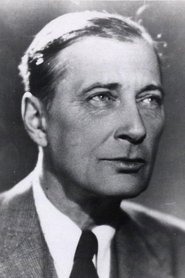
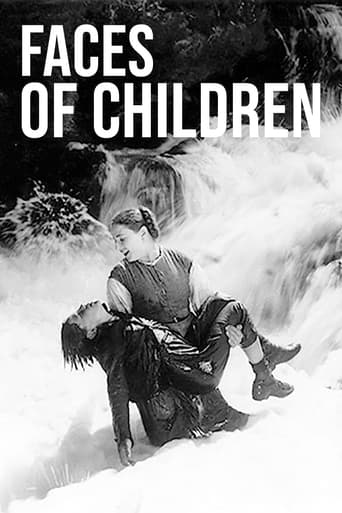
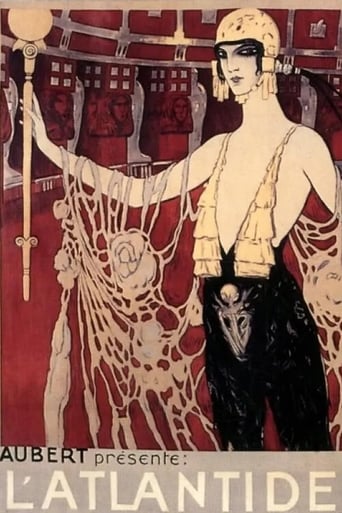
Jacques Feyder, born Jacques Frédérix, was a Belgian-born French film director, screenwriter, and occasional actor who became figures in European cinema during the silent era and early sound period. After beginning his career as an actor in 1912, he quickly transitioned to directing, establishing himself excelled in visual storytelling with films like 'L'Atlantide' (1921), which was a major international success. His 1925 masterpiece 'Faces of Children' is the greatest achievements of silent cinema, showcasing his innovative use of natural lighting and psychological depth. Feyder moved to Hollywood in 1928 where he directed 'The Kiss' starring Greta Garbo, becoming one of the few European directors to successfully work in the American studio system. He returned to France in the early 1930s and created some of his most acclaimed works including 'La Kermesse héroïque' (1935), which won multiple international awards. During World War II, he fled to Switzerland to escape the Nazi occupation, continuing his filmmaking career after the war. His films are characterized by their visual poetry, sophisticated narratives, and deep understanding of human psychology, making him a crucial bridge between European art cinema and popular entertainment.
The Craft
On Screen
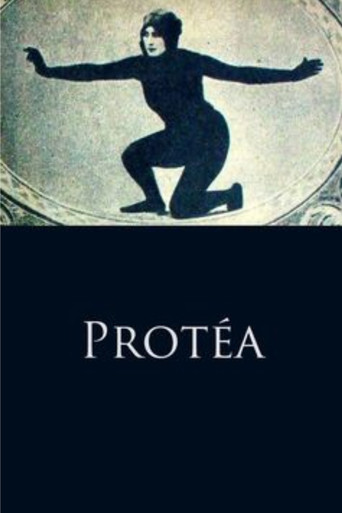
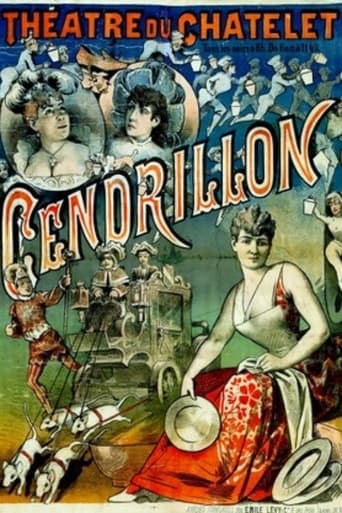
As an actor in his early career, Feyder appeared in supporting roles in films like 'Cinderella' (1912) and 'Protéa' (1913). His acting style was typical of the early silent era, emphasizing exaggerated gestures and facial expressions to convey emotion without dialogue. However, his acting career was brief as he quickly discovered his true talent lay behind the camera.
Behind the Camera
Feyder was known for his sophisticated visual style, combining technical innovation with deep psychological insight. He pioneered the use of natural locations over studio sets, creating more authentic and immersive environments. His direction emphasized subtle performances from actors, moving away from the exaggerated style common in early cinema. He had a remarkable ability to blend social commentary with entertainment, often exploring themes of class, morality, and human nature. His visual compositions were painterly and precise, influenced by his background in art and design. Feyder was also innovative in his use of lighting and shadow to create mood and psychological depth.
Milestones
- Transitioned from acting to directing in 1915 with 'L'Homme de la caverne'
- Achieved international fame with 'L'Atlantide' (1921),
- Created the masterpiece 'Faces of Children' (1925), considered a pinnacle of silent cinema
- Directed 'The Kiss' (1929) in Hollywood, starring Greta Garbo in her final silent film
- Won the Best Director Award at the Venice Film Festival for 'La Kermesse héroïque' (1935)
- Received an honorary Academy Award nomination for Best Foreign Language Film for 'La Kermesse héroïque'
- Fled Nazi occupation during WWII, continuing his work in Switzerland
Best Known For
Iconic Roles
Must-See Films
Accolades
Won
- Best Director Award, Venice Film Festival (1935) for 'La Kermesse héroïque'
- Mussolini Cup for Best Foreign Film, Venice Film Festival (1935) for 'La Kermesse héroïque'
- National Board of Review Award for Best Foreign Film (1936) for 'La Kermesse héroïque'
- New York Film Critics Circle Award for Best Foreign Film (1936) for 'La Kermesse héroïque'
- Kinema Junpo Award for Best Foreign Film (1937) for 'La Kermesse héroïque'
Nominated
- Academy Award nomination for Best Foreign Language Film (1936) for 'La Kermesse héroïque'
- Venice Film Festival nomination for Best Director (1934) for 'Le Grand Jeu'
Special Recognition
- Commander of the Legion of Honour (France)
- Retrospective tribute at the 1947 Cannes Film Festival
- Film preservation honors by Cinémathèque Française
- Posthumous recognition as one of the pioneers of French cinema
Working Relationships
Worked Often With
Studios
Why They Matter
Impact on Culture
Jacques Feyder played a crucial role in establishing French cinema as a major artistic force on the international stage during the 1920s and 1930s. His films demonstrated that European cinema could compete with Hollywood both artistically and commercially, helping to create a viable alternative to American dominance in the global film market. 'Faces of Children' in particular influenced generations of filmmakers with its psychological depth and visual poetry, while 'La Kermesse héroïque' showed how historical subjects could be made relevant to contemporary audiences. His success in Hollywood with 'The Kiss' proved that European directors could work within the American studio system while maintaining their artistic integrity, paving the way for later directors like Ernst Lubitsch and Billy Wilder.
Lasting Legacy
Jacques Feyder's legacy endures through his profound influence on both French and international cinema. He is remembered as a master craftsman who elevated film from mere entertainment to art, combining technical innovation with deep human understanding. His films continue to be studied in film schools worldwide for their sophisticated visual language and narrative complexity. The preservation and restoration of his major works by institutions like the Cinémathèque Française has ensured that new generations can appreciate his contributions to cinema. His approach to blending social commentary with popular entertainment influenced the French poetic realism movement of the 1930s and continues to inspire filmmakers seeking to create meaningful yet accessible cinema.
Who They Inspired
Feyder's influence extended far beyond his own films, shaping the development of European cinema in the 20th century. His naturalistic approach to directing actors influenced the French New Wave directors of the 1950s and 1960s, who admired his rejection of theatrical artifice. His visual techniques, particularly his innovative use of location shooting and natural lighting, became standard practices in modern filmmaking. Directors as diverse as Ingmar Bergman, Federico Fellini, and François Truffaut cited Feyder as an influence on their work. His ability to work successfully in multiple countries and languages also set a precedent for the international careers of later European directors like Michelangelo Antonioni and Wim Wenders.
Off Screen
Jacques Feyder married actress Françoise Rosay in 1917, who became his muse and frequent collaborator, appearing in many of his most important films including 'Faces of Children' and 'La Kermesse héroïque'. Their marriage was both personal and professional, with Rosay often taking leading roles that perfectly suited Feyder's directorial vision. They had three children together: Paul, Jean-Pierre, and Marc. During World War II, the family fled from France to Switzerland to escape the Nazi occupation, where Feyder continued his film work. He was known as a cultured and intellectual filmmaker, fluent in multiple languages, which helped him work successfully in both European and American cinema.
Education
Studied at the Royal Conservatory of Brussels where he trained in acting and theater. Also attended art schools, developing his visual sensibility that would later influence his filmmaking. His early exposure to both theater and visual arts provided him with a unique foundation for his film career.
Family
- Françoise Rosay (1917-1948)
Did You Know?
- His birth name Jacques Frédérix was changed to Feyder as his professional name early in his career
- He was fluent in French, English, German, and Dutch, which helped his international career
- 'L'Atlantide' was remade multiple times, including a 1949 version directed by John Brahm
- His film 'The Kiss' was Greta Garbo's final silent film and one of MGM's biggest hits of 1929
- During WWII, he was placed on the Nazi's list of 'undesirable artists' due to his Jewish wife
- His son Paul Feyder also became a film director, working primarily in television
- 'Faces of Children' was considered lost for decades before being rediscovered and restored
- He was one of the first European directors to be given complete creative control by an American studio
- His films were particularly popular in Japan, where he was considered a master of cinematic art
- He turned down offers to direct several major Hollywood films to return to France in the early 1930s
In Their Own Words
The cinema is not just entertainment; it is the most powerful means of expression we have today for revealing the human soul.
A film should be like a poem - every image, every movement, every word must have its place and its meaning.
I prefer to work with children because they have not yet learned to lie before the camera.
The greatest challenge in cinema is to make the invisible visible - to show what people feel rather than what they do.
In Hollywood, they think in terms of money; in Europe, we think in terms of art. The ideal is to find a way to combine both.
Frequently Asked Questions
Who was Jacques Feyder?
Belgian-born French on YTB.my. He is best known for masterpieces like 'Faces of Children' (1925) and 'La Kermesse héroïque' (1935), which showcased his innovative visual style and psychological depth.
What films is Jacques Feyder best known for?
Titles linked here include Faces of Children (1925), L'Atlantide (1921).
When was Jacques Feyder born and when did he die?
Born July 21, 1885; died May 24, 1948.
What awards did Jacques Feyder win?
Feyder won the Best Director Award at the Venice Film Festival in 1935 for 'La Kermesse héroïque', along with the Mussolini Cup for Best Foreign Film. The film also received the National Board of Review Award and New York Film Critics Circle Award for Best Foreign Film in 1936.
What was Jacques Feyder's directing style?
Feyder's directing style was characterized by sophisticated visual compositions, naturalistic performances, and deep psychological insight. He pioneered the use of natural locations, innovative lighting techniques, and subtle acting that moved away from the exaggerated style common in early silent cinema.