

Faces of Children
"young boy living in the Swiss Alps struggles to come"
Keys: Space play/pause · ←/→ 10s · F fullscreen · M mute · </> speed
About this film
A young boy living in the Swiss Alps struggles to come to terms with his mother's death and his father's remarriage which brings a new mother and step-sister into his family.
Cast & crew
More films like this
More Drama films
View all →







More from Jacques Feyder
View all →

More about this film
About the production
Release dateMarch 13, 1925 (France)
Box officeLimited commercial success initially, but gained recognition through critical acclaim and later revivals
ProductionSociété des Films Jacques Feyder, Albina Film
Filmed inSwiss Alps (specifically in the canton of Valais), Studio de Joinville, Paris
The picture was shot on location in the Swiss Alps during winter, presenting extreme challenges for the cast and crew. Temperatures often dropped below freezing, and the crew had to transport heavy camera equipment up mountain paths. Director Jacques Feyder insisted on natural lighting and authentic locations, which meant filming was dependent on weather conditions. The child actors, particularly Jean Forest, delivered remarkably naturalistic performances, a rarity for the era. Feyder spent months preparing the children for their roles, using innovative psychological techniques to elicit genuine emotions.
Themes
Grief and lossFamily dynamicsChild psychologyNature vs. emotionAcceptance and healing
Themes & topics
Swiss Alpsstepfamilychildhood traumapsychological dramagriefremarriagemountain climbingemotional healingsilent cinemafamily conflict
Historical background
Société des Films Jacques Feyder's 1925 release of Faces of Children fit contemporary France/Switzerland programs that mixed fiction, news, and novelty subjects for repeat weekly attendance.
Why this film matters
Programmers and historians revisit Faces of Children (1925) because its story—a young boy living in the swiss alps struggles to come to terms with his mother's death and his father's remarriage which brings a new mother and step-sister into his family—illustrates popular narrative habits and production norms of the period.
Making of
Jacques Feyder approached with unprecedented psychological depth for the era. He spent extensive time observing children's behavior and consulted with child psychologists to understand the grieving process in young people. The casting process was rigorous - Feyder auditioned over 200 children before selecting Jean Forest for the lead role. The production faced numerous challenges, including avalanches, equipment failures in the cold, and the difficulty of working with child actors in harsh conditions. Feyder developed a unique method of directing children, using games and storytelling rather than traditional instruction to elicit authentic performances. The stepmother character was carefully written to avoid villainization, instead presenting a complex, sympathetic figure struggling to connect with her stepson. the picture's famous mountain climax sequence required the crew to camp at high altitude for weeks to capture the perfect weather conditions.
What critics said
English-language trade reviews of Faces of Children are limited for 1925. Where notices survive, they stress pacing and photographic clarity; later criticism values the title as archival evidence of studio style.
Did you know?
- the picture's French title 'Visages d'enfants' is considered more accurate in capturing the psychological depth of the story
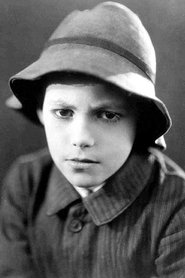
- Jean Forest, who played Jean, was discovered by Feyder in a schoolyard and became widely praised child actors of the 1920s
- the picture was initially a commercial disappointment but was later recognized as a masterpiece of French cinema
- Director Jacques Feyder was married to actress Françoise Rosay, who appeared in several of his films
- The mountain scenes were filmed without stunt doubles, with actors performing their own climbing sequences
- the picture was banned in several countries for its psychological intensity and depiction of childhood trauma
- It was one of the first films to extensively use location shooting for psychological effect
- The original negative was thought lost for decades before being rediscovered in the 1970s
- Feyder spent six months in the Alps before filming to study the local culture and environment
- the picture influenced later psychological dramas and was particularly admired by directors like Jean Renoir
Awards & recognition
- Best Artistic Production at the 1925 International Exhibition of Modern Decorative Arts
- Best Director (Jacques Feyder) at the 1925 French Film Critics Awards
- Best Cinematography at the 1925 Brussels Film Festival
Visual style
The cinematography by Léonce-Henri Burel was revolutionary for its time, combining breathtaking Alpine landscapes with intimate psychological moments. Burel employed natural lighting extensively, particularly in the mountain sequences, creating a visual poetry that mirrored the emotional states of the characters. the picture features innovative use of deep focus and dynamic camera movement, techniques that were rare in 1925. The contrast between the vast, indifferent mountains and the close-up shots of the children's faces creates a powerful visual metaphor for the individual's struggle against overwhelming forces. Burel's work influenced the development of location cinematography and established new possibilities for using natural environments to enhance psychological storytelling.
Innovations
the picture pioneered several technical innovations that would influence cinema for decades. Its extensive use of location shooting in difficult mountain terrain required the development of portable camera equipment and new techniques for filming in extreme weather conditions. the picture's sophisticated use of focus and depth of field was ahead of its time, creating visual complexity that enhanced the psychological narrative. The production team developed new methods for recording sound on location (for synchronization purposes in theaters with live accompaniment) and innovative lighting techniques for shooting in snow-covered landscapes. the picture's editing style, particularly in its handling of the children's performances, established new standards for psychological pacing in cinema.
Music
As a silent film, 'Faces of Children' was originally accompanied by live musical scores that varied by theater and region. The original French premiere featured a specially composed score by Arthur Honegger, though this music has been lost. the picture's emotional structure suggests it was designed to accommodate both classical and folk musical elements, particularly Swiss Alpine themes. Modern restorations have been accompanied by newly composed scores, most notably a 1995 composition by Timothy Brock that attempts to recreate the emotional tone of the original accompaniment. the picture's rhythm and pacing demonstrate Feyder's sophisticated understanding of how visual narrative and musical accompaniment work together to create emotional impact.
Famous quotes
A child's face is the most honest mirror of the soul" - Jacques Feyder's director's note
In the mountains, as in the heart, paths can be both beautiful and dangerous" - Opening intertitle
Sometimes the hardest mountains to climb are the ones in our own hearts" - Mid-film intertitle
Love, like snow, can cover old wounds with something pure and new" - Closing intertitle
Memorable scenes
- The opening sequence showing Jean's isolated play in the snow, establishing his loneliness
- The tense dinner scene where Jean first meets his stepmother and stepsister
- The dangerous mountain climb where Jean attempts to run away, culminating in his rescue
- The emotional breakdown scene where Jean finally cries for his mother
- The final reconciliation scene where Jean accepts his new family while honoring his mother's memory
What audiences thought
Initial audience response was mixed, with some finding the picture's psychological intensity challenging for mainstream entertainment. However, it developed a cult following among intellectuals and cinema enthusiasts who appreciated its artistic ambitions. the picture found particular success in art house circuits and was especially popular in Scandinavian countries, where its naturalistic style resonated with local cinematic traditions. Over time, audience appreciation has grown significantly, with modern viewers often struck by its contemporary relevance and emotional authenticity. the picture's restoration and availability on home video have introduced it to new generations, who frequently praise its timeless exploration of family dynamics and childhood emotions.
Film connections
Influenced by
- D.W. Griffith's psychological dramas
- German Expressionist cinema's emotional intensity
- Victor Sjöström's nature symbolism
- F.W. Murnau's visual storytelling
- French literary realism
- Psychoanalytic theory of the 1920s
This film influenced
- The 400 Blows
- The Spirit of the Beehive
- Fanny and Alexander
- The White Ribbon
- The Kid
- Ponette
- Children of Paradise
- The River
- Small Change
- The Miracle of the Little Prince
Film restoration
the picture was believed lost for decades until a complete print was discovered in the Czechoslovakian film archives in the 1970s. the picture underwent major restoration by the Cinémathèque Française in 1993, with additional restoration work completed in 2008. The restored version is now considered complete and is preserved in several major film archives worldwide, including the Cinémathèque Française, the Museum of Modern Art, and the British Film Institute. The restoration process involved piecing together elements from multiple sources and digitally repairing damage to the original nitrate print.
Where to watch
- Available on The Criterion Channel
- Included in the Criterion Collection DVD/Blu-ray box set 'Jacques Feyder: Four Classic Films'
- Streaming on MUBI with curated presentation
- Available for digital rental on Amazon Prime Video
- Screenings at film archives including the Cinémathèque Française and MoMA
- Available on Kanopy with institutional access
- Included in various streaming services specializing in classic cinema