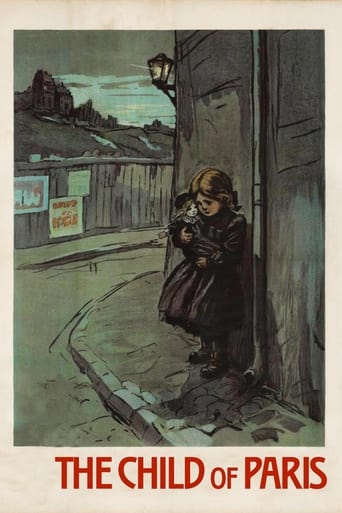
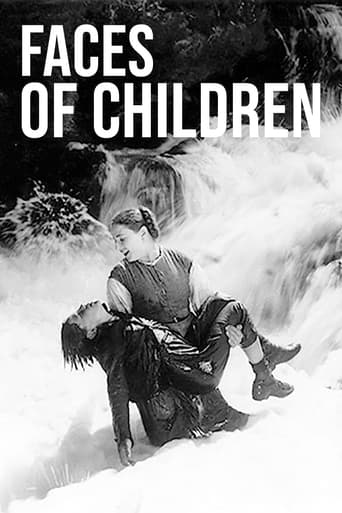
Films
2 films
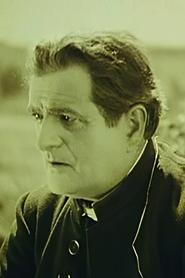
About Henri Duval
French actor who worked during the silent film era, primarily in the 1910s and 1920s. His the formative years of European cinema, where he appeared in notable productions that helped establish the artistic potential of the medium. Duval's most recognized performances came in two significant films: Louis Feuillade's 'L'Enfant de Paris' (1913) and Jacques Feyder's 'Visages d'enfants' (1925). These films represented important milestones in French and Swiss cinema respectively, showcasing Duval's ability to work with directors of the time. His career appears to have been focused on character roles that supported the emotional narratives of these early masterpieces. Like many actors of his era, Duval's career was likely impacted by the transition to sound films in the late 1920s. His contributions, while not widely documented, remain part of the foundation of early European cinema.
The Craft
On Screen
Henri Duval's acting style was characteristic of the silent era, emphasizing physical expression and gesture to convey emotion and character. His performances in both 'L'Enfant de Paris' and 'Visages d'enfants' demonstrate the theatrical yet naturalistic approach common in European cinema of the period, where actors needed to communicate complex emotions through subtle facial expressions and body language.
Milestones
- Appeared in Louis Feuillade's 'L'Enfant de Paris' (1913)
- Performed in Jacques Feyder's acclaimed 'Visages d'enfants' (1925)
- Worked with French and Swiss directors during the silent era
Best Known For
Iconic Roles
Must-See Films
Working Relationships
Worked Often With
Studios
Why They Matter
Impact on Culture
Henri Duval's cultural impact lies in his participation in two significant films that helped shape early European cinema. 'L'Enfant de Paris' was one of the early feature-length French films that demonstrated the narrative possibilities of cinema, while 'Visages d'enfants' is now recognized as a masterpiece of Swiss cinema. His contributions, though not widely documented, represent the work of countless actors who helped establish the artistic vocabulary of silent film.
Lasting Legacy
Henri Duval's legacy is preserved through his appearances in historically significant silent films that continue to be studied and appreciated by film historians and enthusiasts. While not a major star, his work in these productions contributes to our understanding of early 20th century European cinema and the collaborative nature of film production during this formative period.
Who They Inspired
As a supporting actor in films, Henri Duval's influence would have been primarily through his contributions to the overall success and artistic achievement of these important works. His performances helped establish the dramatic conventions that would influence subsequent generations of European actors and filmmakers.
Off Screen
Very little is documented about Henri Duval's personal life, which was common for character actors of the silent era who were not major stars. His career appears to have been concentrated in French and Swiss cinema during a pivotal period in European film history.
Did You Know?
- Appeared in films spanning over a decade (1913-1925)
- Worked with two of the most important directors of early European cinema
- Participated in 'L'Enfant de Paris', which was unusually long for its time at over two hours
- His film 'Visages d'enfants' is now considered one of the greatest Swiss films ever made
- Like many silent era actors, his career likely ended with the advent of sound films
- His work represents the typical trajectory of character actors in early European cinema
Frequently Asked Questions
Who was Henri Duval?
French with credits in this catalog. He was a character actor who worked with directors Louis Feuillade and Jacques Feyder during the formative years of European cinema.
What films is Henri Duval best known for?
Titles linked here include L'Enfant de Paris (1913), Visages d'enfants (1925).
When was Henri Duval born and when did he die?
Unfortunately, specific birth and death dates for Henri Duval are not available in historical records, which is common for many supporting actors from the silent era. His known film active years covered from 1913 to 1925.
What awards did Henri Duval win?
There are no documented awards or honors for Henri Duval, which was typical for character actors of his era. Recognition and award systems for film performances were not yet established during most of his active period.
What was Henri Duval's acting style?
Henri Duval's acting style was characteristic of the silent era, relying on physical expression, gesture, and facial expression to convey emotion. His performances demonstrated the theatrical yet naturalistic approach common in European cinema of the 1910s and 1920s.