
Films
2 films

About Victor Vina
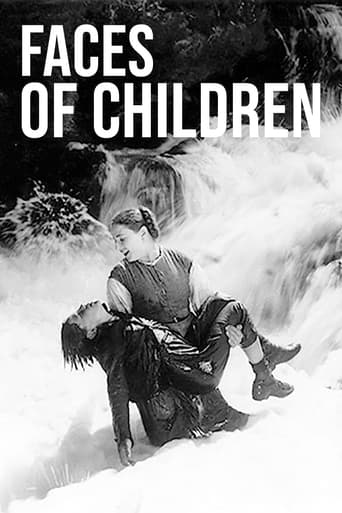
The 1925 film Faces of Children is the only title linked here for Victor Vina. His entire known filmography consists of just two films, both directed by the renowned Jacques Feyder, suggesting he may have been part of Feyder's regular acting troupe or a favored character actor. His first appearance was in the critically acclaimed Swiss-French co-production 'Faces of Children' (1925), a powerful drama that is now considered one of the masterpieces of silent cinema. The following year, he appeared in 'Gribiche' (1926), Feyder's charming comedy-drama that further showcased the director's humanistic approach to filmmaking. Despite his limited screen time and brief career, Vina's performances in these two significant films have ensured his place in cinema history as a representative of the talented character actors who populated French silent films. His career appears to have ended as abruptly as it began, with no known film appearances after 1926, which was not uncommon for many supporting actors of the silent era who struggled to transition to sound films or left the industry for other pursuits.
The Craft
On Screen
As a character actor in French silent cinema, Victor Vina likely employed the exaggerated yet nuanced acting style typical of the period, using facial expressions and body language to convey emotion in the absence of dialogue. His work with Jacques Feyder suggests he was capable of the naturalistic performance style that Feyder favored, moving away from the more theatrical acting common in earlier silent films.
Milestones
- Appeared in Jacques Feyder's masterpiece 'Faces of Children' (1925)
- Starred in the acclaimed comedy-drama 'Gribiche' (1926)
- Worked with one of France's most important silent film directors
- Participated in two of the most significant French/Swiss films of the mid-1920s
Best Known For
Iconic Roles
Must-See Films
Working Relationships
Worked Often With
Why They Matter
Impact on Culture
Victor Vina's cultural impact, while limited by his brief career, is tied to his participation in two of the most significant French-language films of the silent era. 'Faces of Children' in particular has been recognized by film historians and institutions as a masterpiece of world cinema, with Vina contributing to the film's powerful ensemble performance. His work represents the often-overlooked contributions of character actors who were essential to creating the rich, textured worlds of silent films. Through his collaboration with Jacques Feyder, Vina was part of the movement toward more naturalistic and psychologically sophisticated filmmaking that would influence French cinema for decades to come.
Lasting Legacy
Victor Vina's legacy exists primarily through his surviving performances in two historically important films that continue to be studied and appreciated by film scholars and silent cinema enthusiasts. While he never achieved star status, his contribution to these masterpieces ensures that his work remains accessible to future generations interested in French silent cinema. His career serves as a representative example of the many talented actors who populated classic films but whose names and stories have been largely lost to history due to the passage of time and limited documentation of supporting players from the silent era.
Who They Inspired
As a supporting actor with a very brief career, Victor Vina's direct influence on other performers or filmmakers is difficult to trace. However, his work in Jacques Feyder's films contributed to the evolution of more naturalistic acting styles in French cinema, moving away from the theatrical traditions of earlier silent films. The films he appeared in influenced subsequent generations of filmmakers, particularly in their humanistic approach to storytelling and psychological depth.
Off Screen
Very little is documented about Victor Vina's personal life, which was not uncommon for character actors of the silent era who were not major stars. His brief active years covered only two years, and like many supporting actors of the period, he did not receive extensive media coverage or personal publicity.
Did You Know?
- Victor Vina's entire known filmography consists of only two films, both made within one year of each other
- Both films he appeared in were directed by Jacques Feyder,
- 'Faces of Children' (1925) was a Swiss-French co-production that is now considered a masterpiece of world cinema
- 'Gribiche' (1926) was one of the first French films to receive significant international acclaim
- His career ended just as the transition to sound films was beginning in the late 1920s
- Like many character actors of the silent era, little biographical information about him survives
- Both films he appeared in have been preserved and are available for viewing by film enthusiasts today
- His career represents the typical trajectory of many supporting actors in silent cinema who had brief but memorable careers
Frequently Asked Questions
Who was Victor Vina?
French with credits in this catalog.
What films is Victor Vina best known for?
Titles linked here include Faces of Children (1925), Gribiche (1926).
When was Victor Vina born and when did he die?
Victor Vina's birth and death dates are not documented in available historical records, which is common for supporting actors from the silent era who were not major stars.
What awards did Victor Vina win?
There are no recorded awards or nominations for Victor Vina, which was typical for character actors in silent films who rarely received formal recognition despite their contributions to important films.
What was Victor Vina's acting style?
Based on his work with Jacques Feyder, Victor Vina likely employed the naturalistic acting style that Feyder favored, using subtle facial expressions and body language characteristic of the more sophisticated silent films of the mid-1920s.