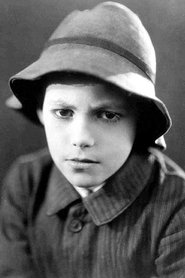
Jean Forest
Actor
Born: December 25, 1912 in Paris, France Died: December 25, 1980 Active: 1922-1926
Films
3 films

About Jean Forest
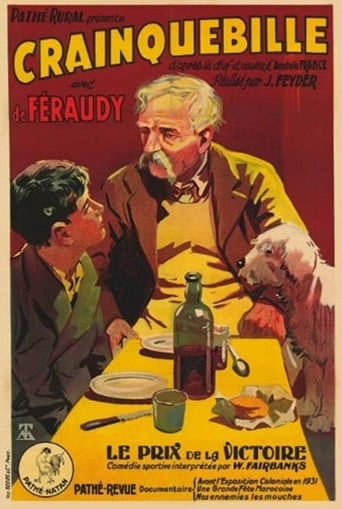
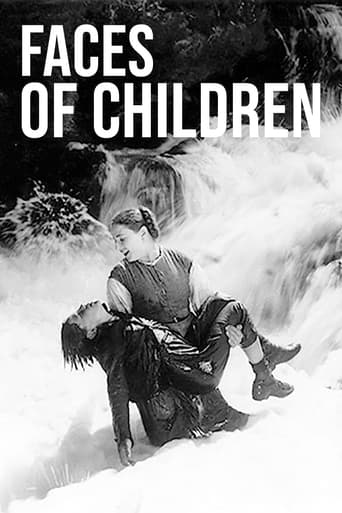
Prominent French child actor during the silent film era, gaining international recognition for his naturalistic performances in the early 1920s. He was discovered by director Jacques Feyder and became his protégé, starring in several critically acclaimed films that showcased his remarkable ability to convey complex emotions without dialogue. His breakthrough role came in 'Crainquebille' (1922), where he played the son of the title character, demonstrating a maturity beyond his years that impressed audiences and critics alike. Forest continued his collaboration with Feyder in 'Faces of Children' (1925), a film that is now considered a masterpiece of silent cinema, where his portrayal of a troubled boy dealing with his mother's death and father's remarriage was widely praised for its psychological depth. His final major role was in 'Gribiche' (1926), another Feyder collaboration that cemented his reputation as one of France's most talented child actors. Despite his early success, Forest's career was short-lived, as he largely disappeared from the film industry after the transition to sound cinema in the late 1920s, making him a fascinating figure of the silent era whose work, though limited in quantity, has endured as some of the finest child acting in cinema history.
The Craft
On Screen
Jean Forest was known for his remarkably naturalistic and emotionally nuanced acting style, which was revolutionary for child actors of the silent era. Unlike many child performers of his time who relied on exaggerated gestures and melodramatic expressions, Forest possessed an innate ability to convey complex emotions through subtle facial expressions and body language. His performances were characterized by a psychological depth and authenticity that suggested an understanding of human emotion far beyond his years, allowing him to portray characters dealing with grief, jealousy, and moral dilemmas with remarkable credibility. Forest's acting style emphasized restraint and realism, making his emotional moments more powerful and his characters more relatable to audiences.
Milestones
- Discovered by director Jacques Feyder
- Starred in the critically acclaimed 'Crainquebille' (1922)
- Delivered a landmark performance in 'Faces of Children' (1925)
- Collaborated with Feyder on 'Gribiche' (1926)
- Became
- Represented the naturalistic acting style that influenced French cinema
Best Known For
Iconic Roles
Must-See Films
Accolades
Special Recognition
- Recognized as one of the greatest child actors in silent cinema history
- His films are preserved as classics of French cinema
- Featured in retrospective screenings at film festivals worldwide
Working Relationships
Worked Often With
Why They Matter
Impact on Culture
Jean Forest's impact on cinema, particularly French cinema, extends far beyond his brief career span. His naturalistic acting style represented a significant departure from the theatrical traditions of early cinema and helped pave the way for more realistic performances in film. His work with Jacques Feyder contributed to the artistic maturation of French cinema during the 1920s, demonstrating that films could tackle complex psychological themes and that child actors could deliver sophisticated performances. Forest's performances continue to be studied by film scholars and actors as examples of how emotional truth can be conveyed without dialogue, making his work particularly relevant to understanding the art of silent film acting.
Lasting Legacy
Jean Forest's legacy endures through the three masterful films he created with Jacques Feyder, which are now regarded as classics of French silent cinema. 'Faces of Children' in particular is frequently cited as one of the greatest films ever made about childhood and remains a touchstone for directors and actors studying the portrayal of young people on screen. Forest's influence can be seen in the naturalistic style of child acting that became more prevalent in later decades, and his work continues to be celebrated in film retrospectives and cinema history courses. Despite his short career, Forest is remembered as a figure who demonstrated the artistic potential of child actors and helped establish France's reputation for producing psychologically sophisticated cinema.
Who They Inspired
Jean Forest influenced subsequent generations of child actors by demonstrating that young performers could deliver nuanced, psychologically complex performances rather than relying on simplistic or exaggerated portrayals. His naturalistic style prefigured the more realistic approaches to acting that would become standard in sound cinema, and his work continues to be referenced by directors seeking authentic performances from young actors. Forest's collaborations with Feyder also influenced how filmmakers approached stories about children, showing that such narratives could explore mature themes with emotional depth and artistic sophistication.
Off Screen
Jean Forest was born in Paris on Christmas Day 1912 and died on his 68th birthday in 1980. After his brief but brilliant film career in the 1920s, he largely stepped away from the entertainment industry and lived a private life away from the public eye. Unlike many child stars, Forest successfully transitioned to a normal life outside of cinema, though details about his adult career and personal relationships remain scarce. His decision to leave acting was likely influenced by the challenges of transitioning from child star to adult actor during the changing landscape of cinema with the advent of sound.
Did You Know?
- Was discovered by director Jacques Feyder while walking down a Paris street
- Died on his 68th birthday, December 25, 1980
- His film 'Faces of Children' was considered lost for decades before being rediscovered
- Never appeared in a sound film
- Was often compared to Jackie Coogan, another famous child actor of the era
- His performances were praised for their psychological depth and emotional authenticity
- is considered his masterpiece and one of the greatest silent films ever made
- Retired from acting before reaching adulthood
- His three feature films were all directed by Jacques Feyder
- Was part of the movement toward more naturalistic acting in French cinema
In Their Own Words
(About his acting) 'I didn't have to act, I just had to be' - attributed quote about his naturalistic approach
Feyder once said of him: 'Jean doesn't play, he lives his roles'
Frequently Asked Questions
Who was Jean Forest?
Celebrated French child with credits in this catalog. He was renowned for his ability to convey complex emotions with remarkable depth and authenticity, making him.
What films is Jean Forest best known for?
Titles linked here include Faces of Children (1925), Crainquebille (1922).
When was Jean Forest born and when did he die?
Born December 25, 1912; died December 25, 1980.
What awards did Jean Forest win?
While Jean Forest did not receive formal awards during his career, his work has been posthumously recognized as among the finest in silent cinema. His films are preserved as classics, and he is frequently cited by film historians as one of the greatest child actors in cinema history.
What was Jean Forest's acting style?
Jean Forest's acting style was remarkably naturalistic and emotionally nuanced, standing in contrast to the theatrical style common in early cinema. He conveyed complex emotions through subtle expressions and body language, bringing psychological depth and authenticity to his roles that was revolutionary for child actors of the silent era.
Why did Jean Forest's career end so early?
Jean Forest's career ended around 1926, likely due to the challenges of transitioning from child actor to adult performer during the advent of sound cinema. Unlike many child stars, he chose to step away from the film industry and lived a private life, making him a fascinating figure of the silent era whose legacy rests on just three remarkable films.