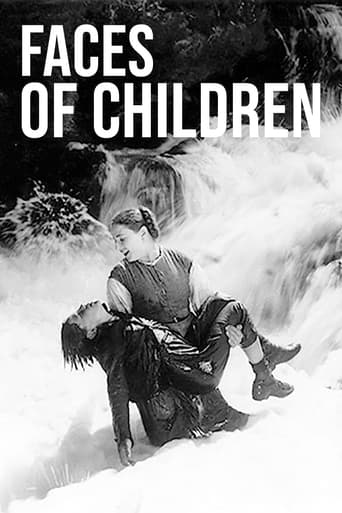
Films
1 film
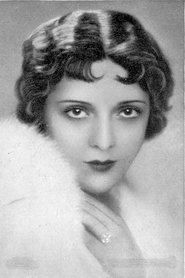
About Suzy Vernon
French actress who emerged during the golden age of European silent cinema, gaining recognition for her performance in Jacques Feyder's acclaimed 1925 film 'Visages d'enfants' (Faces of Children). Her portrayal of Jeanne, the stepmother struggling to connect with her grieving stepchildren, showcased remarkable emotional depth and naturalistic acting style that was ahead of its time. Though her film career appears to have been brief, spanning primarily the year 1925, her contribution to this significant work of European cinema has ensured her place in film history. The film itself was for its psychological depth and sensitive treatment of childhood grief, with Vernon's performance being central to its emotional impact. Her acting demonstrated the sophisticated techniques emerging in European cinema during the mid-1920s, moving away from theatrical gestures toward more subtle, psychologically nuanced performances. While details about her broader career remain scarce, her work in 'Faces of Children' represents a significant contribution to the evolution of screen acting and the development of more realistic portrayals of family dynamics in cinema.
The Craft
On Screen
Naturalistic and emotionally nuanced, representing the shift away from theatrical silent film acting toward more psychologically realistic performances typical of European cinema in the mid-1920s
Milestones
- Breakthrough performance in Jacques Feyder's 'Visages d'enfants' (1925)
- Contributed to
Best Known For
Iconic Roles
Must-See Films
Working Relationships
Worked Often With
Why They Matter
Impact on Culture
Suzy Vernon's performance in 'Faces of Children' contributed to the evolution of screen acting techniques during the transition from theatrical to more naturalistic styles in silent cinema. Her portrayal of complex maternal emotions helped establish new standards for psychological depth in female characterizations, particularly in European cinema of the 1920s. The film itself became influential in its treatment of childhood psychology and family dynamics, with Vernon's performance serving as a model for subsequent actresses tackling similar complex maternal roles.
Lasting Legacy
Though her career was brief, Suzy Vernon's work in 'Faces of Children' has endured as part of. Her performance continues to be studied by film scholars and historians as an example of the sophisticated acting techniques emerging in European cinema during the mid-1920s. The film's preservation and continued screening at classic film festivals ensures that her contribution to cinema history remains accessible to new generations of film enthusiasts.
Who They Inspired
Vernon's naturalistic acting style in 'Faces of Children' represented part of the broader movement toward more realistic performances in European cinema that would later influence international film acting. Her nuanced portrayal of maternal conflict and emotional complexity provided a template for subsequent actresses dealing with similar psychological roles in both silent and early sound films.
Off Screen
Very limited information is available about Suzy Vernon's personal life, as she appears to have had a brief career in cinema with minimal public documentation beyond her notable film role.
Did You Know?
- 'Faces of Children' (Visages d'enfants) is considered one of the masterpieces of European silent cinema
- The film was directed by Jacques Feyder, a prominent Belgian director who worked in French cinema
- Despite her brief career, Vernon's performance has been preserved through the restoration and continued exhibition of 'Faces of Children'
- The film was groundbreaking for its time in its psychological treatment of childhood grief and family dynamics
- Vernon worked alongside child actor Jean Forest, who was Feyder's frequent collaborator
- The film was shot on location in the Swiss Alps, adding to its atmospheric quality
- Her character's emotional journey from outsider to understanding stepmother was considered revolutionary for its time
- The film's international recognition has ensured that Vernon's performance continues to be appreciated by silent cinema enthusiasts worldwide
Frequently Asked Questions
Who was Suzy Vernon?
French actress from the silent era, best known for her performance as Jeanne in Jacques Feyder's acclaimed 1925 film 'Faces of Children' (Visages d'enfants). Though her career appears to have been brief, her contribution to this significant European film has ensured her place in cinema history.
What films is Suzy Vernon best known for?
Titles linked here include Faces of Children (1925).
When was Suzy Vernon born and when did she die?
Unfortunately, specific birth and death dates for Suzy Vernon are not readily available in historical records, which is not uncommon for actors with brief careers in the silent era. She was active as an actress in 1925.
What awards did Suzy Vernon win?
There are no documented awards or nominations for Suzy Vernon, which was typical for many actors in European cinema during the 1920s before the establishment of major film awards ceremonies.
What was Suzy Vernon's acting style?
Suzy Vernon's acting style was notably naturalistic and emotionally nuanced, representing the shift away from theatrical silent film acting toward more psychologically realistic performances. Her work in 'Faces of Children' demonstrated the sophisticated techniques emerging in European cinema during the mid-1920s.