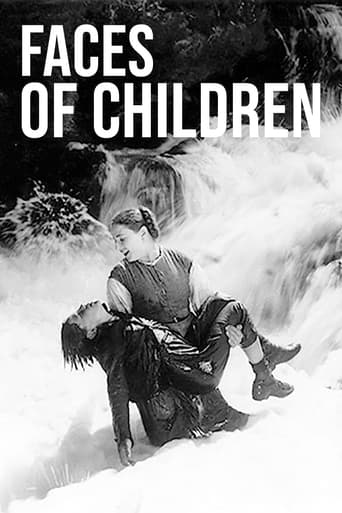
Films
1 film
About Arlette Peyran
The 1925 film Faces of Children is the only title linked here for Arlette Peyran. Her career was notably brief, with her only documented film appearance being in Jacques Feyder's acclaimed 1925 Swiss film 'Faces of Children' (Visages d'enfants). In this emotionally powerful drama, Peyran played one of the children in a story that explored themes of grief, family dynamics, and childhood resilience. Her performance, while supporting, contributed to the film's reputation as sensitive and psychologically sophisticated children's films of the silent era. After this single appearance, there is no record of Peyran continuing in the film industry, suggesting she may have been a child actor who did not pursue acting as a long-term career or perhaps returned to her home country following this production. Her brief filmography places her among the many talented performers of early European cinema whose contributions were limited but significant to specific landmark productions.
The Craft
Milestones
- Appeared in Jacques Feyder's critically acclaimed 'Faces of Children' (1925)
Best Known For
Iconic Roles
Must-See Films
Working Relationships
Worked Often With
Why They Matter
Impact on Culture
Arlette Peyran's contribution to cinema, while brief, is part of the legacy of 'Faces of Children,' which is recognized as a masterpiece of silent-era filmmaking and. The film, directed by Jacques Feyder, was groundbreaking in its naturalistic approach to child actors and its emotional depth. Peyran's performance, though not a leading role, contributed to the film's authentic portrayal of children's emotional lives. The film itself has been studied and analyzed by film historians for decades for its innovative techniques and sensitive storytelling, making every performer involved, including Peyran, part of cinema's artistic heritage.
Lasting Legacy
Arlette Peyran's legacy is intrinsically tied to her single film appearance in 'Faces of Children,' which has endured as a classic of silent cinema. While she did not have an extensive career, her participation in this landmark film ensures her place in film history. The film continues to be screened at classic film festivals and studied in film courses, meaning that new generations of cinema enthusiasts continue to discover her work. Her story represents the many performers from early cinema whose careers were brief but who contributed to significant artistic achievements that have stood the test of time.
Who They Inspired
Given the brevity of her career, Arlette Peyran's direct influence on other performers or filmmakers is difficult to trace. However, as part of the ensemble cast of 'Faces of Children,' she contributed to a film that influenced subsequent generations of filmmakers in their approach to depicting childhood on screen. The film's naturalistic style and psychological depth set new standards for performances by child actors, indirectly influencing how young performers would be directed and cast in future productions.
Off Screen
Very little is known about Arlette Peyran's personal life beyond her brief film appearance. She was active in European cinema during the mid-1920s, appearing in what would become her only known film role. The lack of additional biographical information suggests she may have been a child actor who did not continue in the entertainment industry, or she may have returned to private life after her brief encounter with filmmaking.
Did You Know?
- Arlette Peyran appeared in only one known film during her career
- Her sole film appearance was in the Swiss production 'Faces of Children' (1925)
- The film she appeared in was directed by Jacques Feyder, a prominent figure in early European cinema
- 'Faces of Children' is considered
- The film was shot on location in the Swiss Alps, adding to its naturalistic quality
- Despite the film's critical acclaim, Peyran did not appear in any other known productions
- The film's original French title was 'Visages d'enfants'
- Peyran was likely a child actor given the nature of her role and the film's focus on children
Frequently Asked Questions
Who was Arlette Peyran?
Screen credits include only one known film, Jacques Feyder's acclaimed 'Faces of Children' (1925). She was likely a child actor who did not continue in the film industry beyond this single appearance.
What film is Arlette Peyran best known for?
Arlette Peyran is known exclusively for her role in 'Faces of Children' (1925), a Swiss silent film directed by Jacques Feyder that is considered a masterpiece of early cinema and.
When was Arlette Peyran active in film?
Arlette Peyran's film career was limited to the year 1925, with her only documented appearance being in 'Faces of Children.' There are no records of her working in films before or after this year.
What was 'Faces of Children' about?
'Faces of Children' was a Swiss silent drama that explored themes of grief, family dynamics, and childhood resilience following the death of a mother. The film was praised for its naturalistic approach to child actors and its psychological depth.
Did Arlette Peyran win any awards?
There are no records of Arlette Peyran receiving any awards or nominations for her performance. The film itself, however, has been recognized by film historians as a significant achievement in silent cinema.
Why is Arlette Peyran's filmography so limited?
The brevity of Arlette Peyran's career may be due to several factors: she may have been a child actor who aged out of roles, chose not to pursue acting long-term, or returned to her home country after the production. Such limited careers were not uncommon for performers in early European cinema.