Films
4 films
About Jeanne Marie-Laurent
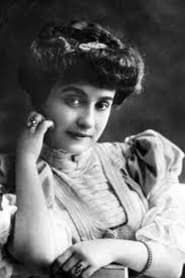
This archive lists one role for Jeanne Marie-Laurent: Enfant de Paris (1913). She gained recognition for her roles in two significant films of the period: Louis Feuillade's 'L'Enfant de Paris' (1913) and Jacques Feyder's 'Visages d'enfants' (1925). Her the early years of French cinema, though she appeared to work primarily as a supporting actress rather than a leading star. The films she participated in are now considered important works of silent cinema, with 'Visages d'enfants' particularly regarded as a masterpiece of the era. Her performances contributed to the emotional depth and realism that characterized these European productions. While detailed records of her complete filmography are limited, her association with these two notable films places her within the important circle of early French cinema pioneers who helped establish the art of film acting.
The Craft
On Screen
As a silent film actress, Jeanne Marie-Laurent employed the expressive techniques typical of the era, using facial expressions and body language to convey emotion. Her performances in both 'L'Enfant de Paris' and 'Visages d'enfants' demonstrated the naturalistic style that was emerging in European cinema, moving away from the theatrical exaggeration common in earlier films. She brought emotional authenticity to her supporting roles, helping to create the realistic atmosphere that these directors sought.
Milestones
- Appeared in Louis Feuillade's 'L'Enfant de Paris' (1913)
- Starred in Jacques Feyder's acclaimed 'Visages d'enfants' (1925)
- Contributed to early French and Swiss silent cinema
Best Known For
Iconic Roles
Must-See Films
Working Relationships
Worked Often With
Why They Matter
Impact on Culture
Jeanne Marie-Laurent's contribution to cinema, while not widely documented, is significant through her participation in two landmark films of the silent era. 'L'Enfant de Paris' was an early example of French narrative cinema that helped establish the language of film storytelling. 'Visages d'enfants' is now recognized as one of the masterpieces of silent cinema, praised for its psychological depth and naturalistic approach to filmmaking. Her performances in these films contributed to the evolution of screen acting away from theatrical conventions toward more nuanced, realistic portrayals that would influence future generations of actors.
Lasting Legacy
Though Jeanne Marie-Laurent may not be a widely remembered name in cinema history, her legacy endures through the preservation and study of the films in which she appeared. Both 'L'Enfant de Paris' and 'Visages d'enfants' continue to be studied by film scholars and screened at classic film festivals, ensuring that her contributions to early cinema remain part of the historical record. Her work represents the important but often unheralded contributions of supporting actors who helped create the foundation of modern cinema.
Who They Inspired
As a supporting actress in influential silent films, Jeanne Marie-Laurent was part of the generation that helped establish the techniques of naturalistic screen acting. The films she participated in influenced subsequent filmmakers and actors, particularly in their approach to portraying children and family relationships on screen. Her work in 'Visages d'enfants' contributed to a film that is still cited as an influence on directors dealing with themes of childhood and family dynamics.
Off Screen
Very little documented information is available about Jeanne Marie-Laurent's personal life, which was common for supporting actors of the silent era who were not major stars. Her career appears to have been concentrated in French and Swiss cinema during the 1910s and 1920s.
Did You Know?
- Appeared in 'L'Enfant de Paris' (1913), one of Louis Feuillade's early feature films
- Starred in 'Visages d'enfants' (1925), now considered one of the greatest Swiss films ever made
- Worked during the transitional period when cinema was evolving from short films to feature-length narratives
- Participated in European cinema during World War I and its aftermath, a period of significant artistic development
- Her film 'Visages d'enfants' was rediscovered and restored in the 20th century, bringing renewed attention to her work
Frequently Asked Questions
Who was Jeanne Marie-Laurent?
French actress active during the silent film era, best known for her roles in 'L'Enfant de Paris' (1913) and 'Visages d'enfants' (1925). She worked primarily in European cinema and contributed to two significant films that are now regarded as classics of silent cinema.
What films is Jeanne Marie-Laurent best known for?
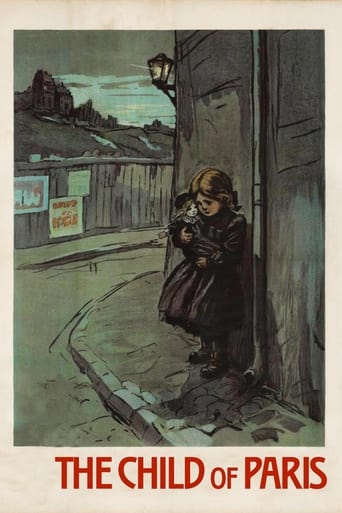
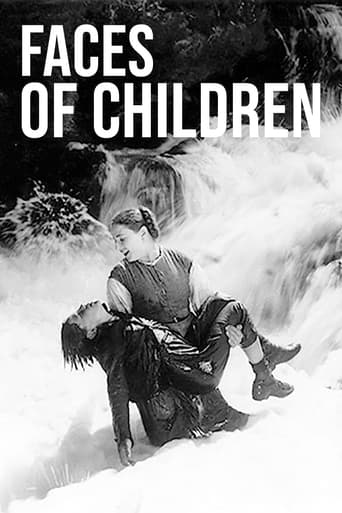
Titles linked here include The Child of Paris (1913), Faces of Children (1925).
When was Jeanne Marie-Laurent active in cinema?
Jeanne Marie-Laurent was active in cinema from approximately 1913 to 1925, working during the height of the silent film era in Europe.
What was Jeanne Marie-Laurent's acting style?
She employed the naturalistic acting style that was emerging in European silent cinema, using subtle facial expressions and body language rather than the exaggerated theatrical techniques common in earlier films.
What is the significance of the films she appeared in?
'L'Enfant de Paris' was an early example of French narrative cinema, while 'Visages d'enfants' is now recognized as a masterpiece of silent filmmaking, praised for its psychological depth and realistic portrayal of childhood emotions.