
The Clutching Foot
"The film is a spoof of the Les Vampires serials."
Keys: Space play/pause · ←/→ 10s · F fullscreen · M mute · </> speed
About this film
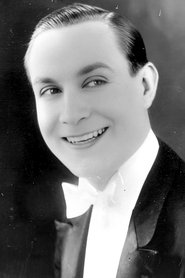
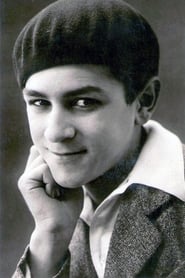
The famous scientific detective Justin Crécelle and his faithful assistant Walter Jymson seek to halt the deeds of the "Clutching Foot" gang, who attempt to kidnap Hélène, the fiancée of Justin, in both possible and ridiculous ways. The film is a spoof of the Les Vampires serials, with Musidora appearing in one episode in costume.
Cast & crew
More Comedy films
View all →






More from Jacques Feyder
View all →

More about this film
About the production
Release date1916
Box officeUnknown - box office tracking was not systematically recorded in France during 1916
ProductionGaumont
Filmed inParis, France
The film was produced as a direct parody of Louis Feuillade's immensely popular Les Vampires serial, which was still being released in 1916. The production capitalized on the public's fascination with crime serials while offering comic relief from the tense atmosphere of World War I. Jacques Feyder, then an emerging director, used to showcase his ability to work across genres, transitioning from the dramatic style of his earlier works to comedy.
Themes
Themes & topics
Historical background
Production circa 1916 meant fixed cameras, intertitles or early sound rigs, and studio economies that shaped every scene in The Clutching Foot.
Why this film matters
Historians treat The Clutching Foot as evidence of what typical 1916 audiences could see in a program slot.
Making of
The production of The Clutching Foot took place during a challenging period for French cinema, with many industry professionals serving in World War I. Director Jacques Feyder, who had been discharged from military service due to health reasons, was able to continue working in the film industry. The parody was conceived as a way to provide audiences with comic entertainment during the grim war years. Gaumont, the production company, saw the commercial potential of spoofing their own highly successful Les Vampires series. The casting of Musidora was particularly clever, as she was instantly recognizable to French audiences from her role as Irma Vep in Les Vampires. The film was shot quickly and on a modest budget, typical of productions of this era, with minimal sets and relying heavily on the actors' comedic timing.
What critics said
Audience data from 1916 is sparse; reception for The Clutching Foot is inferred from reissue and archival interest.
Did you know?
- The film was one of the earliest known parodies of a specific film series, predating modern movie spoofs by decades
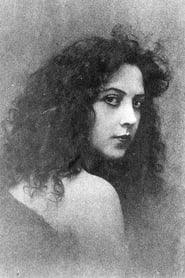
- Musidora's appearance was particularly significant as she was the iconic star of Les Vampires, making her participation in the parody a meta-commentary on her own fame
- Director Jacques Feyder would later become one of France's most respected filmmakers, known for works like 'Carnival in Flanders' (1935)
- The 'Clutching Foot' gang name was a humorous exaggeration of the sinister-sounding criminal organizations in contemporary serials
- The film was produced during World War I, when French cinema was struggling with resources and personnel
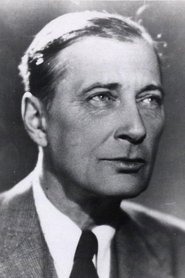
- André Roanne, who played Justin Crécelle, would go on to have a long career in French cinema, appearing in over 100 films
- The character of Justin Crécelle was modeled after the popular scientific detective archetype that emerged in the early 20th century
- The film's comedic approach to crime was innovative for its time, as most crime serials played their material completely straight
- Kitty Hott, who played Hélène, was a relatively unknown actress, and represents one of her few documented screen appearances
Visual style
The cinematography of The Clutching Foot would have been typical of French films from 1916, utilizing the visual language that had developed in the preceding decade. The film likely employed static camera positions for most scenes, with occasional movement to follow action. As a parody of crime serials, it probably mimicked the dramatic lighting and camera angles of Les Vampires while exaggerating them for comic effect. The black and white photography would have used contrast to create the mysterious atmosphere associated with crime films, then subverted it with comedic situations. The visual style would have been influenced by the technical limitations of the period, including the need for bright lighting due to the insensitivity of film stock.
Innovations
The Clutching Foot does not appear to have introduced significant technical innovations, but it demonstrated creative use of existing techniques for comedic effect. The film likely employed standard editing practices of the period, including continuity editing and parallel action to build suspense and humor. The technical achievement lies primarily in its conceptual innovation as an early film parody, demonstrating sophisticated understanding of genre conventions and audience expectations. The production would have used the standard camera and lighting equipment available to Gaumont in 1916. The film's existence during wartime conditions also represents an achievement in itself, given the resource constraints facing the French film industry at the time.
Music
As a silent film from 1916, The Clutching Foot would have been accompanied by live musical performance during its theatrical run. The specific musical selections would have been chosen by the theater's musical director and might have included popular songs of the period, classical pieces, and improvised accompaniment. The music would have been synchronized with the on-screen action, with dramatic themes for the mystery elements and lighter, more playful music for the comedic scenes. The score would have been performed by a pianist in smaller theaters or a small orchestra in larger cinemas. No original composed score exists for the film, as was typical for productions of this era.
Famous quotes
No documented quotes survive from this lost film
Memorable scenes
- Musidora's costume appearance in one episode, providing a meta-reference to her role in Les Vampires
- The increasingly ridiculous kidnapping attempts by the Clutching Foot gang
- Justin Crécelle's scientific methods of detection applied to comedic situations
What audiences thought
Audience reception in 1916 is not well documented, but the film's production suggests that Gaumont believed there was a market for comedic alternatives to the popular crime serials. The appearance of Musidora would have been a significant draw, as she was one of the biggest stars of French cinema at the time. The parody format likely appealed to audiences who were familiar with Les Vampires and could appreciate the humorous take on familiar characters and situations. During the difficult war years, comic entertainment was particularly valued, and films that could provide laughter and escape were especially welcome. The film's blend of mystery and comedy would have offered audiences the best of both popular genres.
Film connections
Influenced by
- Les Vampires (1915-1916) by Louis Feuillade
- Fantômas (1913-1914) by Louis Feuillade
- Early detective fiction
- Scientific detective stories
- French crime serials
This film influenced
- Later film parodies
- Comic mystery films
- French comedy films of the 1920s
- Meta-cinematic works
Film restoration
The Clutching Foot is believed to be a lost film. No complete copies are known to exist in film archives or private collections. This is unfortunately common for French films from the World War I period, as many films were destroyed due to the fragility of early film stock, wartime damage to storage facilities, and the lack of systematic preservation efforts in the early 20th century. Only written descriptions, reviews, and production records remain to document the film's existence.
Where to watch
- Not available - the film is considered lost