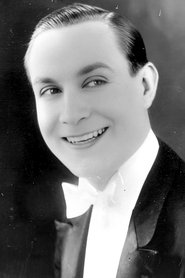
André Roanne
Actor
Born: April 26, 1896 in Paris, France Died: March 18, 1959 Active: 1915-1938 Birth Name: André Auguste Louis Rabinovitch
Films
2 films
About André Roanne
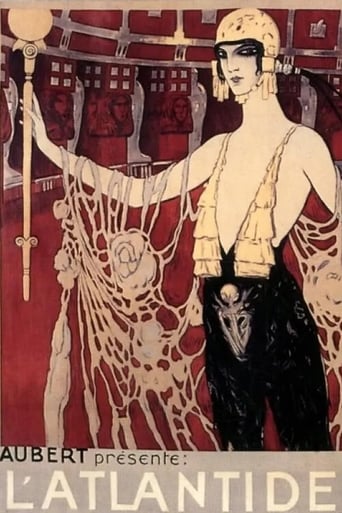
prominent French actor during the golden age of silent cinema — known for his work in both dramatic and romantic roles. Born André Auguste Louis Rabinovitch in Paris, he began his film career in the mid-1910s and quickly established himself as a leading man in French cinema. His breakthrough role came in Jacques Feyder's acclaimed 1921 film 'L'Atlantide,' where he played Captain Morhange alongside actresses like Mary Marquet and Stacia Napierkowska. Throughout the 1920s, Roanne continued to appear in numerous French productions, working with prominent directors of the era including Germaine Dulac and Henri Diamant-Berger. While his career diminished with the advent of sound films, he remained active in smaller roles through the 1930s before gradually retiring from the film industry. His performances were characterized by a naturalistic style that helped transition French cinema from theatrical traditions to more realistic film acting.
The Craft
On Screen
Roanne was known for his naturalistic and understated acting style, which was revolutionary for the silent era. Unlike many of his contemporaries who relied on exaggerated gestures and facial expressions, Roanne brought a subtlety and realism to his performances that prefigured modern film acting. His screen presence was characterized by a quiet intensity and emotional depth that resonated with audiences. He had particular skill in conveying complex emotions through minimal movement, making his performances feel authentic and grounded.
Milestones
- Breakthrough role in 'L'Atlantide' (1921)
- Leading man in French silent cinema throughout the 1920s
- Collaboration with director Jacques Feyder
- Transition from stage to film acting
- Work with prominent French directors of the silent era
Best Known For
Iconic Roles
Must-See Films
Accolades
Special Recognition
- Recognized as a significant figure in French silent cinema history
- Featured in French film retrospectives and silent film festivals
Working Relationships
Worked Often With
Studios
Why They Matter
Impact on Culture
André Roanne represented the transition from theatrical acting styles to more naturalistic film performance in French cinema. His work in 'L'Atlantide' helped establish the epic adventure genre in French film and demonstrated the potential for location shooting and large-scale productions. Roanne's subtle acting approach influenced subsequent generations of French actors who sought more realistic performances. His career trajectory also reflected the challenges many silent film actors faced with the transition to sound, making him representative of this pivotal period in cinema history.
Lasting Legacy
André Roanne's legacy lies in his contribution to the golden age of French silent cinema and his role in helping establish a more naturalistic acting style that would influence French film for decades. His performance in 'L'Atlantide' remains a significant work in the history of French cinema, frequently studied in film courses and featured in retrospectives of silent film. While not as widely remembered as some of his contemporaries, Roanne is recognized by film historians as an important figure who bridged the gap between theatrical and cinematic acting traditions in France.
Who They Inspired
Roanne influenced French cinema through his naturalistic acting style, which helped move away from the exaggerated performances common in early silent films. His work with prominent directors like Jacques Feyder contributed to the development of French cinematic language and storytelling techniques. While he didn't directly mentor famous protégés, his performances served as examples for subsequent generations of French actors seeking more authentic and realistic approaches to film acting.
Off Screen
André Roanne was born into a Jewish family in Paris and changed his name for his acting career to avoid potential discrimination. He was married multiple times throughout his life, though detailed information about his relationships is limited. Roanne lived through both World Wars, and his career was impacted by the changing political landscape in Europe. He spent his later years away from the public eye, living in relative obscurity until his death in 1959 at the age of 62.
Education
Likely received theatrical training in Paris, though specific educational details are not well documented in historical records
Family
- Information not widely documented in historical records
Did You Know?
- Changed his surname from Rabinovitch to Roanne for his acting career
- Was one of the first French actors to adopt a naturalistic acting style for film
- L'Atlantide (1921) was
- Worked with female director Germaine Dulac
- His active years covered the entire silent era in French cinema
- Appeared in over 30 films during his career
- Was part of the generation that struggled with the transition to sound films
- L'Atlantide was remade multiple times, but Roanne's performance is considered definitive by silent film enthusiasts
- His stage name was likely inspired by the French town of Roanne
- Survived both World Wars, which significantly impacted the French film industry
In Their Own Words
Information about specific quotes from André Roanne is not widely documented in historical records
Frequently Asked Questions
Who was André Roanne?
French with credits in this catalog. Born André Auguste Louis Rabinovitch in Paris in 1896, he was known for his naturalistic acting style that helped transition French cinema from theatrical to more realistic performances.
What films is André Roanne best known for?
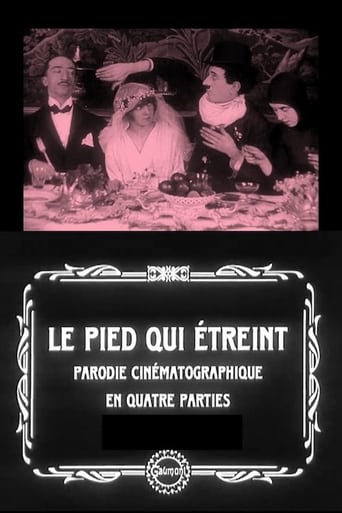
Titles linked here include L'Atlantide (1921), The Clutching Foot (1916).
When was André Roanne born and when did he die?
Born April 26, 1896; died March 18, 1959.
What awards did André Roanne win?
There are no documented major awards or nominations for André Roanne, which was common for many actors of the silent era. However, he is recognized by film historians as a significant figure in French cinema history and is featured in silent film retrospectives.
What was André Roanne's acting style?
André Roanne was known for his naturalistic and understated acting style, which was revolutionary for the silent era. Unlike many contemporaries who used exaggerated gestures, he brought subtlety and realism to his performances, conveying complex emotions through minimal movement and quiet intensity.