Musidora
Actor
Born: February 23, 1889 in Paris, France Died: December 11, 1957 Active: 1914-1950s (acting primarily 1914-1920s) Birth Name: Jeanne Roques
Films
6 films

About Musidora
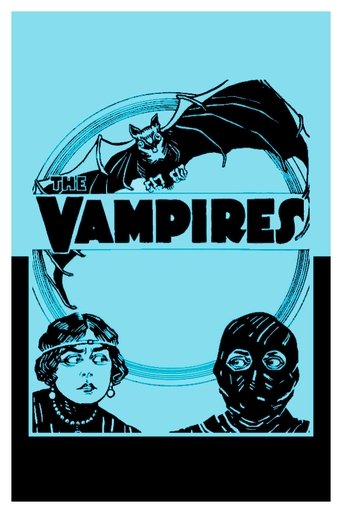
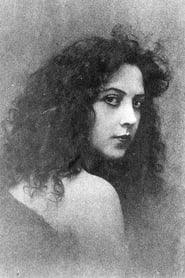
Musidora, born Jeanne Roques, was a French actress, artist, and filmmaker who became figures of silent cinema. She rose to international fame through her collaborations with director Louis Feuillade at Gaumont studios, particularly in the serial 'Les Vampires' (1915), where she played the mesmerizing criminal Irma Vep. Her distinctive appearance, characterized by dark kohl-rimmed eyes, black hair, and a lithe, athletic figure, made her the archetypal femme fatale of early cinema. Beyond her acting career, Musidora — multi-talented artist who worked as a painter, writer, and eventually became one of the first female directors in French cinema. After her acting prominence waned in the 1920s, she successfully transitioned to directing and writing, helming films like 'Le Soleil de Minuit' (1926) and 'La Tête de Méduse' (1928). Musidora remained active in the film industry throughout her life, working in various capacities including as an assistant director and film historian. Her legacy endures not only through her influential performances but also through her role as a trailblazer for women in cinema, demonstrating remarkable versatility and artistic vision across multiple disciplines.
The Craft
On Screen
Musidora's acting style was quintessentially suited to the silent medium, characterized by expressive physicality and intense facial expressions that could convey complex emotions without dialogue. She possessed remarkable screen presence, using her athletic abilities to perform her own stunts and action sequences, which was unusual for actresses of her era. Her performances blended sensuality with danger, creating morally ambiguous characters that audiences found both alluring and threatening. Musidora had a unique ability to switch between vulnerability and menace within moments, making her characters unpredictable and compelling. Her expressive eyes became her trademark, capable of communicating everything from seduction to menace with just a glance.
Milestones
- Breakthrough role as Irma Vep in 'Les Vampires' (1915)
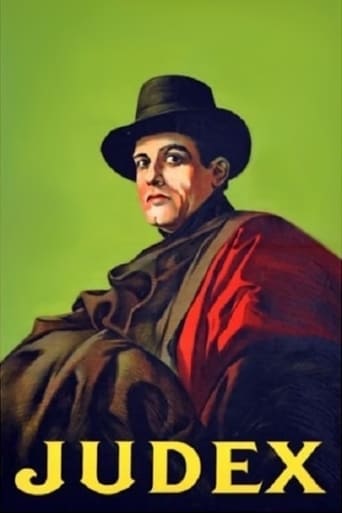
- Iconic performance as Diana Monti in 'Judex' (1916)
- Transition to directing with 'Le Soleil de Minuit' (1926)
- work as one of cinema's first female directors
- Post-war career as film historian and preservationist
Best Known For
Iconic Roles
Must-See Films
Accolades
Won
- French Legion of Honor (Chevalier) - posthumous recognition
- Retrospective honors at Cinémathèque Française
Nominated
- No formal nominations during active period - award systems not yet established
Special Recognition
- Inducted into the French Film Hall of Fame
- Annual Musidora Award established in her honor
- Featured in museum exhibitions on silent cinema pioneers
- Subject of scholarly retrospectives on women in early cinema
Working Relationships
Worked Often With
Studios
Why They Matter
Impact on Culture
Musidora's impact on cinema and popular culture was profound and enduring. Her portrayal of Irma Vep created an archetype of the cinematic femme fatale that would influence film noir and countless later works. The character's name (an anagram of 'vampire') became synonymous with dangerous female sexuality in cinema. Musidora's distinctive look, particularly her dark eye makeup and sleek black costumes, influenced fashion and beauty standards of the 1910s and continues to inspire contemporary designers and filmmakers. Her work helped establish the serial format as a popular genre, demonstrating the commercial viability of episodic storytelling. Musidora also broke barriers for women in film, proving that female performers could transition successfully to directing and producing in an era when such opportunities were rare. Her legacy extends beyond film into art, literature, and feminist theory, where she is studied as an example of early female agency in the entertainment industry.
Lasting Legacy
Musidora's legacy in film history is that of a true pioneer who transcended the limitations of her era. As an actress, she created some of silent cinema's most memorable and influential characters, particularly Irma Vep, who remains a cultural reference point more than a century later. Her transition from performing to directing made her one of the first women to successfully navigate both sides of the camera in early cinema. Musidora's later work in film preservation helped save many important works from the silent era for future generations. The annual Musidora Award, established in her honor, continues to recognize outstanding contributions by women in cinema. Her life and career have been the subject of books, documentaries, and academic studies, cementing her status as not just a performer but a significant figure in the broader history of women in the arts. Musidora demonstrated that artistic excellence could transcend gender boundaries, paving the way for future generations of women filmmakers.
Who They Inspired
Musidora influenced countless performers and filmmakers across multiple generations. Her expressive acting style and physical presence inspired later actresses specializing in femme fatale roles, particularly in film noir. Directors from Alfred Hitchcock to Luis Buñuel referenced her work, and the character of Irma Vep has been directly homaged in films like Olivier Assayas's 'Irma Vep' (1996). Her success as a female director in the 1920s provided an early model for women filmmakers, demonstrating that women could successfully helm commercial and artistic films. Musidora's artistic versatility influenced the concept of the multi-hyphenate artist in cinema, showing that performers could successfully transition to other creative roles. Her work in film preservation influenced later efforts to save silent films, and her approach to combining artistic disciplines influenced multimedia artists. Contemporary filmmakers continue to draw inspiration from her bold aesthetic choices and her fearless approach to challenging traditional gender roles in cinema.
Off Screen
Musidora led a remarkably independent and artistic life, never marrying and dedicating herself primarily to her artistic pursuits. She came from a cultured family; her mother was a feminist writer and her father a composer, which influenced her artistic development. During World War II, she risked her safety by helping Jewish friends escape Nazi persecution, demonstrating courage beyond her artistic contributions. In her later years, she became a respected film historian and preservationist, working to save and restore early French films. Musidora maintained friendships with many artists and intellectuals of her time, including members of the Surrealist movement who admired her work. She lived modestly in Paris throughout her life, continuing to create art until her death from cancer at age 68.
Education
Studied at the Conservatoire de Paris, received training in dance, music, and painting. Her artistic education was comprehensive, reflecting her family's emphasis on cultural development and her own diverse interests in the arts.
Did You Know?
- The name 'Musidora' was taken from a character in Théophile Gautier's novel 'Mademoiselle de Maupin'
- Her character Irma Vep's name is an anagram of 'vampire'
- Musidora designed many of her own costumes, particularly the iconic black catsuit in 'Les Vampires'
- She performed her own stunts, including dangerous acrobatic sequences
- Accomplished painter and had several art exhibitions
- During WWII, she hid Jewish friends in her home from the Nazis
- Her dark eye makeup style became a major beauty trend in the 1910s
- Musidora spoke several languages fluently, including English and German
- She was a published poet and novelist in addition to her film work
- The band 'The Velvet Underground' originally considered naming themselves 'The Vampires' after her famous film
- Musidora's image appeared on French postage stamps in 1995 as part of a cinema heritage series
- She was a close friend of female filmmaker Alice Guy-Blaché
In Their Own Words
I am not an actress who became a director; I am an artist who uses different mediums to express myself.
In cinema, as in life, the most dangerous things are often the most beautiful.
The silence of film teaches us that true emotion needs no words.
I created Irma Vep, but in many ways, she created me.
Being a woman in cinema is not a limitation; it is a different perspective that enriches the art form.
Frequently Asked Questions
Who was Musidora?
Musidora (born Jeanne Roques) was a French actress, director, and artist of the silent film era, best known for her role as Irma Vep in Louis Feuillade's 'Les Vampires' (1915). She became one of early cinema's most iconic figures and later transitioned to directing, becoming one of the first female filmmakers in France.
What films is Musidora best known for?
Titles linked here include Les Vampires (1915), Judex (1916).
When was Musidora born and when did she die?
Born February 23, 1889; died December 11, 1957.
What awards did Musidora win?
During her active period, formal film awards were not yet established, but Musidora received posthumous recognition including the French Legion of Honor (Chevalier). The annual Musidora Award was established in her honor to recognize outstanding contributions by women in cinema, and she has been featured in numerous retrospectives and museum exhibitions.
What was Musidora's acting style?
Musidora's acting style was highly physical and expressive, perfectly suited to silent cinema. She used intense facial expressions, particularly her distinctive kohl-rimmed eyes, and athletic movements to convey complex emotions. Her performances blended sensuality with danger, creating the archetypal femme fatale that influenced cinema for decades.
Did Musidora direct films?
Yes, Musidora became one of the first female directors in French cinema, directing films such as 'Le Soleil de Minuit' (1926) and 'La Tête de Méduse' (1928). Her directorial work often featured strong female protagonists and showed artistic influences from her background in painting and literature.
What is Musidora's legacy in cinema?
Musidora's legacy includes creating the iconic femme fatale archetype through her role as Irma Vep, opportunities for women in film direction, and contributing to film preservation. She influenced generations of filmmakers and performers, and her work continues to be studied in film history and feminist theory.