



The Vampires or, The Arch Criminals of Paris
"Paris hunted by invisible criminals"
Keys: Space play/pause · ←/→ 10s · F fullscreen · M mute · </> speed
About this film
Journalist Philippe Guérande pursues the invisible crime syndicate Les Vampires through Paris, battling the master thief known as the Grand Vampire and his agent Irma Vep.
Cast & crew
More films like this
More Drama films
View all →







More from Louis Feuillade
View all →

More about this film
About the production
Release dateNovember 13, 1915 (Episode 1) - June 3, 1916 (Episode 10)
BudgetNot documented - typical Gaumont serial production costs of the era
Box officeNot documented - but was highly successful commercially in France and internationally
ProductionGaumont
Filmed inParis, France, Gaumont Studios, Paris
Filmed during World War I under difficult conditions with limited resources. The serial was shot episodically with each part released shortly after completion to maintain audience interest. Director Louis Feuillade had to work around wartime restrictions, material shortages, and some cast members being called to military service. The production pioneered location shooting in Paris streets, giving the film unprecedented authenticity for its time.
Themes
Urban paranoia and fear of the unknownThe thin line between civilization and chaosMoral ambiguity and the nature of evilFemale power and sexuality as weaponsJournalism as a force for justice
Themes & topics
criminal organizationjournalistmaster criminalParisgangdisguiseheistfemme fataleserial killerconspiracycat-and-mouseunderworldblackmailpoisonsecret society
Historical background
Louis Feuillade's 1915 serial ran for ten hours, helping establish the crime serial as a dominant French screen form during World War I.
Why this film matters
Irma Vep became an enduring icon of French pulp cinema, inspiring remakes and homages across a century of popular culture.
Making of
Louis Feuillade, already an established director at Gaumont, conceived Les Vampires as a follow-up to his successful Fantômas serials. The production faced numerous challenges during wartime, including cast members being drafted into military service mid-production. Musidora was cast as Irma Vep after Feuillade saw her in a theater production and was struck by her mysterious presence. The famous black costume was designed to be practical for stunt work while creating an instantly recognizable silhouette. Many of the death-defying stunts were performed by the actors themselves without safety equipment. The serial's success led to increased security at Gaumont studios to prevent plot leaks, as rival studios attempted to copy the formula. Feuillade worked with a small team of writers to develop the increasingly complex plotlines, often writing episodes just days before filming to respond to audience reactions.
What critics said
Contemporary Parisian audiences followed the serial in weekly installments; critics later hailed its atmosphere and Feuillade's staging.
Did you know?
- Irma Vep is an anagram of 'vampire' - this clever wordplay became one of cinema's most iconic character names
- The film was not about supernatural vampires but about a criminal gang called 'The Vampires' who prey on Paris society
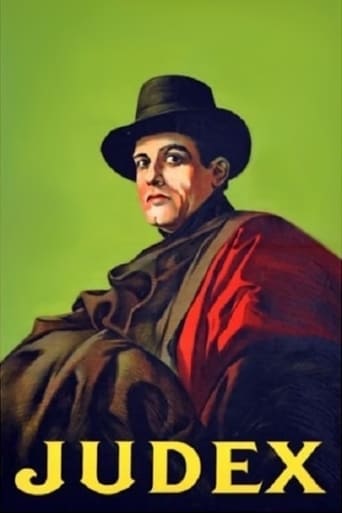
- Director Louis Feuillade shot the entire serial while simultaneously working on his other famous serial 'Judex'
- The film caused moral panic in France with critics claiming it would inspire criminal behavior, leading to temporary bans in some regions
- Musidora, who played Irma Vep, became a fashion icon with her black bodysuit and mask, influencing fetish and punk aesthetics decades later
- The serial was originally intended to be only 5 episodes but was extended to 10 due to its massive popularity
- Many scenes were shot on location in actual Paris streets without permits, making the production essentially guerrilla filmmaking
- The character of Irma Vep inspired the 1996 Olivier Assayas film 'Irma Vep' starring Maggie Cheung
- Some episodes featured real Parisian landmarks that were later destroyed in World War I, making the film historically valuable
- The serial was illegally distributed in the United States without proper authorization, contributing to its international fame
Visual style
The cinematography by Gustave Preiss and others pioneered techniques that would become standard in crime cinema. The extensive use of real Paris locations created unprecedented authenticity, with the camera capturing the city's actual streets, rooftops, and landmarks. Innovative low-angle shots emphasized the criminals' power and menace, while dramatic shadows and silhouettes enhanced the atmosphere of mystery. The famous scenes of Irma Vep climbing walls and leaping between rooftops were filmed with dynamic camera movement that was revolutionary for 1915. The serial employed sophisticated editing techniques including cross-cutting between simultaneous actions to build suspense. Night scenes were shot using available light and clever set design to create authentic darkness without compromising visibility.
Innovations
Les Vampires pioneered numerous technical innovations including extensive location shooting, which was rare and difficult in 1915. The production developed new camera mobility techniques allowing for dynamic movement through Paris streets and buildings. The serial's complex special effects, including apparent levitation and disappearances, were achieved through ingenious in-camera methods and editing tricks. The production team created sophisticated makeup and prosthetic effects for the various disguises used by the criminals. The film's editing techniques, particularly its use of suspense-building cross-cutting, influenced generations of filmmakers. The serial's success demonstrated the commercial viability of long-form narrative cinema, essentially creating the template for future television series.
Music
As a silent film, Les Vampires was originally accompanied by live musical performances in theaters. Gaumont provided suggested musical cues and themes for each episode, with specific motifs for different characters - Irma Vep was accompanied by mysterious, seductive melodies while action scenes featured dramatic, percussive music. Modern restorations have featured newly composed scores by artists including Air (the French electronic duo) for the Criterion Collection release. The contemporary theatrical experience often included sound effects created by theater musicians, including gunshots, screams, and atmospheric noises to enhance the viewing experience. The original musical suggestions emphasized the serial's French identity with influences from popular Parisian café music and classical French composers.
Famous quotes
We are the Vampires - we take what we want, when we want it
Paris will learn to fear the night
Behind every mask there is another mask
The police cannot catch what they cannot see
In this city, the real criminals wear fine clothes and smile at society
Memorable scenes
- Irma Vep's first appearance climbing the exterior of a Paris apartment building in her signature black bodysuit
- The Grand Vampire's elaborate initiation ceremony with its ritualistic symbolism
- The poison gas attack on the ballroom sequence with victims mysteriously collapsing
- The rooftop chase across Parisian rooftops at night
- The final unmasking scene where multiple layers of disguise are revealed
- Irma Vep's transformation from criminal to victim in the later episodes
What audiences thought
The serial was an enormous commercial success in France, with audiences lining up around blocks for each new episode's release. The cliffhanger endings created unprecedented audience engagement, with newspapers and magazines filled with speculation about upcoming plot developments. The character of Irma Vep became a cultural phenomenon, with women imitating her distinctive look and fashion. International audiences embraced the film despite language barriers, leading to unauthorized versions and adaptations worldwide. The serial's success spawned merchandise including postcards, toys, and even Irma Vep-branded cosmetics. Modern audiences continue to be captivated by the film, with screenings at film festivals and art cinemas consistently selling out.
Film connections
Influenced by
- Feuillade's earlier Fantômas serials
- Émile Zola's naturalist novels
- Contemporary French newspaper crime reports
- Grand Guignol theater traditions
- Maurice Leblanc's Arsène Lupin stories
This film influenced
- Fritz Lang's Dr. Mabuse films
- Alfred Hitchcock's early thrillers
- German Expressionist crime films
- Film noir of the 1940s and 50s
- Modern heist films like Ocean's Eleven
- The Batman franchise's criminal organizations
- TV series like The Wire and Breaking Bad
Film restoration
The film has been remarkably well-preserved with all ten episodes surviving in complete form. The Criterion Collection released a comprehensive restoration in 2015 for the centenary, using the best surviving elements from archives around the world including the Cinémathèque Française. The restoration involved extensive digital cleaning and stabilization while preserving the original film's texture and pacing. Some original color tinting has been recreated based on contemporary documentation. The film is considered one of the best-preserved major works from the 1910s.
Where to watch
- The Criterion Channel (streaming)
- Criterion Collection Blu-ray/DVD
- Kino Lorber DVD collection
- Various public domain archives online
- Film forum screenings and cinematheque presentations
- Museum of Modern Art (MoMA) film collection screenings
- BFI Player (UK streaming)
- MUBI occasional streaming availability