
Stacia Napierkowska
Actor
Born: September 16, 1891 in Warsaw, Poland (Russian Empire) Died: May 11, 1945 Active: 1910-1924 Birth Name: Stanisława Maria Napierkowska
Films
5 films
About Stacia Napierkowska
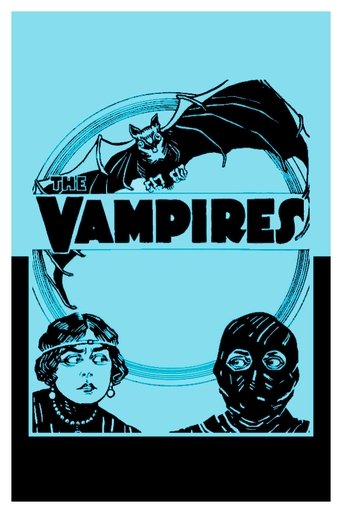
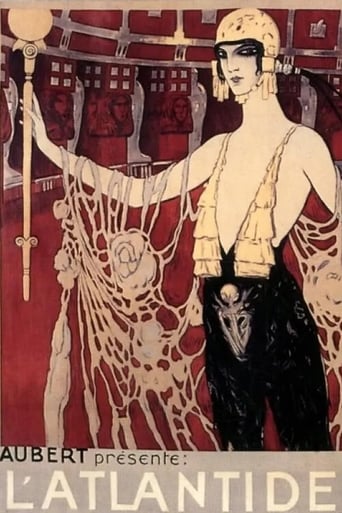
Polish-born French actress and dancer who rose to prominence during the golden age of French silent cinema. Born in Warsaw in 1891, she moved to France where she began her career as a dancer before transitioning to film. Her exotic beauty and mysterious screen presence made her ideal for the vamp roles that were popular in the 1910s. She achieved international recognition for her role in Louis Feuillade's serial 'Les Vampires' (1915), where she played the character Irma Vep. Her performance in Jacques Feyder's 'L'Atlantide' (1921) further cemented her status as captivating actresses of the silent era. Napierkowska's career was relatively brief but influential, spanning roughly a decade during which she helped define the archetype of the cinematic femme fatale. She retired from acting in the early 1920s and spent her later years away from the spotlight, passing away in 1945.
The Craft
On Screen
Napierkowska was known for her hypnotic, mesmerizing screen presence that combined theatrical expressiveness with subtle cinematic nuance. Her acting style was characterized by intense gazes, graceful movements influenced by her dance background, and an ability to convey complex emotions through minimal gestures. She excelled at portraying mysterious, dangerous women with an underlying vulnerability that made her characters compelling. Her performance in 'Les Vampires' demonstrated her mastery of the exaggerated yet controlled style required for silent film melodrama.
Milestones
- Breakthrough role in 'Les Vampires' (1915) as Irma Vep
- Starred in 'L'Atlantide' (1921),
- Pioneered the vamp archetype in French cinema
- Worked with influential director Louis Feuillade
- Successfully transitioned from dance to film acting
Best Known For
Iconic Roles
Must-See Films
Accolades
Special Recognition
- Recognized as one of the actresses of French silent cinema
- Featured in film retrospectives on early French cinema
Working Relationships
Worked Often With
Studios
Why They Matter
Impact on Culture
Stacia Napierkowska played a significant role in establishing the vamp archetype in European cinema, particularly in French silent films. Her portrayal of Irma Vep in 'Les Vampires' became iconic and influenced countless subsequent portrayals of dangerous, mysterious women in cinema. The character's name (an anagram of vampire) became so associated with her that it remains a reference point in film studies. Her work helped demonstrate the potential of serial filmmaking and contributed to the development of cinematic storytelling techniques during the formative years of the medium.
Lasting Legacy
Napierkowska's legacy endures through her influential performances in early French cinema, particularly in the crime serial genre that would later evolve into modern television series. Her work in 'Les Vampires' continues to be studied by film scholars as an example of early cinematic style and narrative innovation. The character of Irma Vep has been referenced and reimagined in numerous subsequent works, including Olivier Assayas's 1996 film 'Irma Vep.' Her contribution to the development of the femme fatale archetype has had lasting influence on cinema worldwide.
Who They Inspired
Napierkowska influenced generations of actresses who portrayed dangerous, mysterious women on screen. Her combination of exotic beauty, graceful movement, and intense screen presence set a template for the cinematic vamp that would be emulated by actresses from Marlene Dietrich to Catherine Deneuve. Her work in serial films helped pave the way for the development of television drama formats. Contemporary filmmakers and actors continue to draw inspiration from her performances in studying the art of silent film acting and the portrayal of complex female characters.
Off Screen
Stacia Napierkowska was known to be a private individual who kept her personal life largely out of the public eye. She was born into a Polish family but spent most of her professional life in France, where she became a naturalized citizen. Her background as a dancer influenced her acting style and contributed to her graceful screen presence. Despite her fame during the silent era, she chose to step away from the limelight as the film industry transitioned to sound.
Education
Trained as a dancer in her youth, which provided her foundation for movement and expression in film
Family
- Information not widely documented in historical records
Did You Know?
- The name 'Irma Vep' is an anagram of 'vampire'
- She was originally a dancer before transitioning to film acting
- Her character in 'Les Vampires' wore a distinctive black bodysuit that became iconic
- Louis Feuillade originally cast her in 'Les Vampires' after being impressed by her exotic appearance
- 'L'Atlantide' was
- She worked during a transitional period in cinema when acting styles were evolving from theatrical to more naturalistic approaches
- Her Polish heritage gave her a distinctive look that set her apart from other French actresses of the time
- The serial format of 'Les Vampires' was revolutionary and influenced future film and television storytelling
- She retired from acting just as the film industry was transitioning to sound pictures
- Her films were rediscovered and critically reassessed during the French New Wave era
In Their Own Words
In the silent cinema, the eyes must speak what the voice cannot
To play a vampire is to understand the darkness within every human heart
The camera sees everything, even what the actor tries to hide
Frequently Asked Questions
Who was Stacia Napierkowska?
Polish-born French actress and dancer who became famous during the silent film era for her roles as mysterious and dangerous women, particularly in French cinema of the 1910s and early 1920s.
What films is Stacia Napierkowska best known for?
Titles linked here include Les Vampires (1915), L'Atlantide (1921).
When was Stacia Napierkowska born and when did she die?
Born September 16, 1891; died May 11, 1945.
What awards did Stacia Napierkowska win?
While she did not receive formal awards during her career, Napierkowska is recognized in film history as a actress of French silent cinema and for helping establish the vamp archetype in European film.
What was Stacia Napierkowska's acting style?
Her acting style combined theatrical expressiveness with cinematic subtlety, characterized by intense gazes, graceful movements influenced by her dance background, and an ability to convey complex emotions through minimal gestures typical of silent film performance.
How did Stacia Napierkowska influence cinema?
She significantly influenced cinema by helping establish the femme fatale archetype, the crime serial format that would evolve into television series, and demonstrating the potential of silent film to create complex, compelling characters without dialogue.